

In collaboration with Convergence, VOICE OF ASIA is proud to present timeless articles from the archives, reproduced digitally for your reading pleasure. Originally published in Convergence Volume 21 in 2013, we present this story on Manila, ASEAN’s emerging jewel in the east.
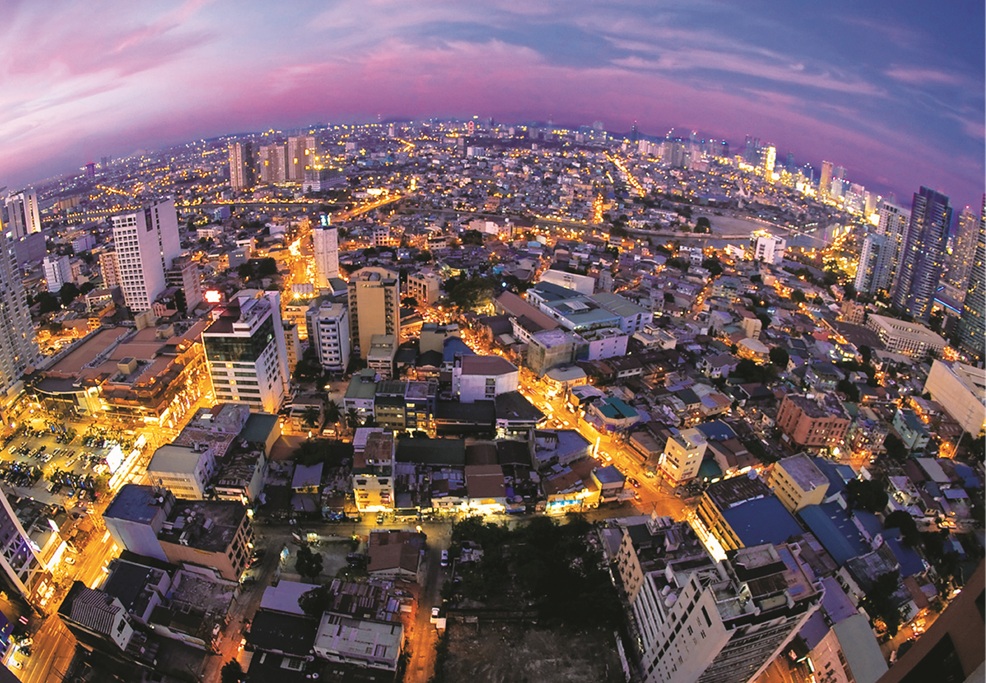
The Philippine economy grew by an astounding 6.6% last year, making it Asia’s fastest-growing economy after China. The effect of this economic renaissance and the transformation that has resulted can be seen most markedly in the capital city, Manila. The signs are clear. Increasing numbers of sophisticated and ultra luxurious real estate developments are pushing skylines higher and the geographical spread wider. Convergence checks out the newfound spring in Manila’s step.
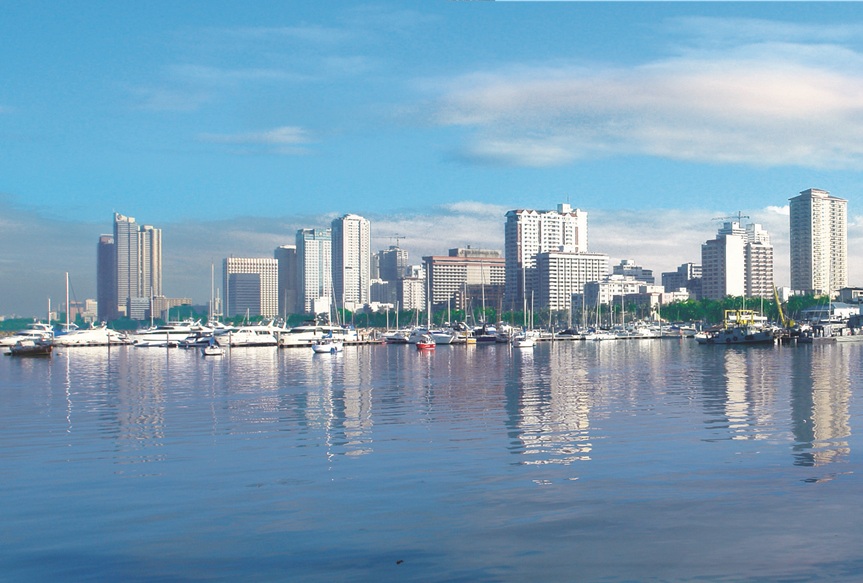
Manila not only refers to the city itself, but also the metropolitan region around it called Metro Manila, with the surrounding cities of Caloocan, Las Piñas, Makati, Malabon, Mandaluyong, Marikina, Muntinlupa, Navotas, Parañaque, Pasay, Pasig, Quezon City, San Juan, Taguig, and Valenzuela and Pateros. As the financial, commercial and industrial heart of the Philippines, it accounts for 33% of the national GDP.
The Pulse of the City
Considered a global city (an important node in the global economy), the city is divided into sixteen areas, each contributing in unique ways to the marketplace. Three districts stand out – Binondo, Ermita and Intramuros.
Binondo, where many Chinese-Filipinos have commercial outlets, has one of the highest land values nationwide. Choice real estate is one reason why Megaworld Corp (a leading real estate developer), ploughed seven billion pesos building the Lucky Chinatown full-scale luxury mall there last year, underscoring market confidence and revitalising the district. In another part of Binondo, the Escolta neighbourhood is reinventing the street by converting its heritage structures into a leading business process outsourcing (BPO) hub. The unique facade sets these BPO firms apart from their foreign competitors.
Ermita is the civic centre of Manila and besides hosting the seat of city government, is home to some architecturally and historically famous landmarks like City Hall, the Central Post Office, the Supreme Court, the National Museum, Rizal Park and the Manila Hotel.
Intramuros aka the ‘walled city’, is the oldest district and historic core of Manila, where old Spanish-era influences are much in evidence. It is still home to one of the oldest educational institutions in the country – Colegio de San Juan de Letran (1620) and two of the oldest churches – San Augustin Church (1607), a designated UNESCO World Heritage Site, and Manila Cathedral (1581). Mindful reconstruction and tasteful additions over the decades have not dampened the charm of Intramuros’s inherited antiquity. Despite being a prime tourist destination, there has been minimal commercialisation – apart from fast food establishments such as Jollibee, McDonald’s and Starbucks setting up shop.
Makati and Money
This financial epicentre of the Philippines is home to the rich and famous! Almost 40% of all companies listed in the top 1000 corporations have their headquarters or main offices located in the Central Business District (CBD). The Philippine Stock Exchange sits on the city’s famous thoroughfare – Ayala Avenue. In addition to the CBD, the Rockwell Center was opened last year to house new commercial and business activities in the city. The ‘cream of the crop’ in the hotel, housing, retail and fine dining establishments are also present in Makati.
The Sole of Marikina
The home of shoes – most of the shoe production in the Philippines to be exact. The Shoe Museum in Marikina has the largest collection in the world, showcasing pairs of the infamous footwear of Imelda Marcos, and shoes of world leaders and celebrities as well as those from different countries. Foreign competition, notably from China, has dampened the industry somewhat but measures by local government such as last year’s Sapatos (shoe) Festival have revitalised support to keep the industry buoyant and competitive.
Viewing Quezon City
Named after former President Manuel L. Quezon, it was the national capital for 28 years from 1948 to 1976 and is the most populous and wealthiest city in the Philippines. Television companies such as TV5, ABS-CBN, ETC, GMA Network, INC TV, UNTV, Net 25, PTV and IBC are headquartered here. A concentration of car part and accessory providers has earned it the moniker, “Autoparts Capital of the Philippines”.
‘Fort’ Taguig
The city was ranked first among Philippines’ cities in the Ease of Doing Business Index, conducted by the World Bank’s International Finance Corporation. This is epitomised in the 240 hectare world-class Fort Bonifacio Global City – one of the Philippines’ fastest growing business districts. Fondly called ‘The Fort’, the balanced and well-planned business hub affords a very high standard of living. Corporate offices blend with embassies and upscale accommodation while Bonifacio High Street offers one-of-a-kind dining and premium retailing. A world-class hospital, science museum and the heartbeat of a Filipino art scene serve body, mind and soul.
2015 will see the debut of the ultra deluxe Grand Hyatt Manila and Residences here. Offices below and living spaces above is the concept of the two mega towers. Seen as the answer to the growing appetite for a more luxurious lifestyle, Alfred V. Ty, chairman of Bonifacio Landmark and president of Federal Land said it “symbolises the future of a modern Philippines”.
The Difference Makers
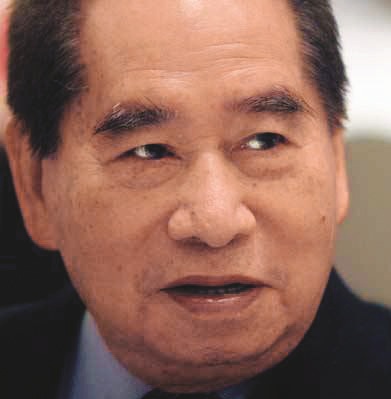
Henry Sy is considered the “Philippines’ Retail King” and is the man behind the SM Malls chain all over Manila. The Chinese-Filipino chairman of SM Prime Holdings, Inc., is the richest man in the Philippines with a reported net worth of US$13.9 billion, and his vast business empire covers banking and residential property development as well as the hospitality and conventions industry.
Shipping magnate Enrique K Razon Jr has netted $3.6 billion by transforming the port at Manila Bay. Enrique’s International Containers Services, Inc. manages six terminals in the Philippines. Internationally, Manila’s diverse and multifaceted economy supplies the world market through its well-protected harbour – the Port of Manila. As the Chief Seaport of the Philippines, it is one of the busiest globally. He is also the majority shareholder in Bloomberry Resorts and Hotels which is establishing Solaire Resort and Casino within Manila’s planned PAGCOR Entertainment City.
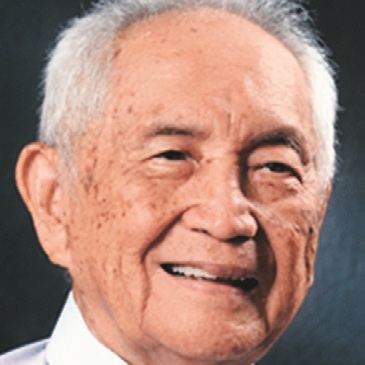
Another member of the country’s rich elite is David Consunji, the boss of DCMI Holdings which built Manila landmarks such as Makati Shangri-la and The Sofitel Philippine Plaza. David’s DCMI is also involved in coal mining, water, sewerage and power generation. Ruling the skies is Philippine Airline’s Lucio Tan, with a net worth of US$4.5 billion.
Ubiquitous throughout the country is the Jollibee fast food chain, helmed by Tony Tan Caktiong. Eateries under Jollibee’s umbrella are Chowking (Oriental cuisine) and Greenwich (pizza and pasta). Jollibee’s presence throughout Asia, the Middle East and even the US, exemplifies Tony’s entrepreneurship and vision, and has helped him accumulate a net worth of US$1.4 billion.
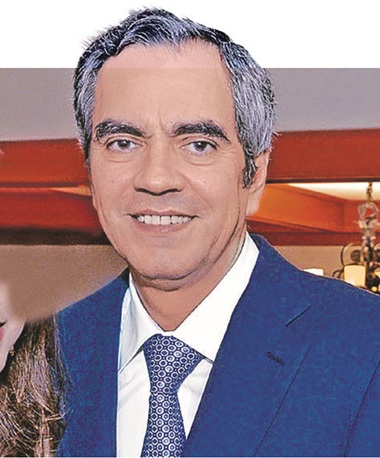
Old money but up-to-date, the Ayala Corporation founded in the 19th century is the oldest and largest conglomerate in the Philippines. Headed by family scion Jaime Augusto Zobel de Ayala, it owns 32% of Globe Telecom and 23% of the Bank of the Philippine Islands. Its portfolio also includes retail, real estate, water, renewable energy, electronics, IT, automotives and Business Process Outsourcing (BPOs).
Shop, Eat, Play
Retail therapy begins at the 250,000 square metre Greenbelt, Makati, which satisfies both luxury boutique seekers and regular mall goers. A truly unique shopping experience, each section has its own style of architecture and features, with a beautiful Greenbelt Park surrounding the complex.
Spiral at the Solfitel is a restaurant which has taken interactive dining to a level never before seen in the Asia Pacific region. Recently refurbished, it astounds you with its sheer range and choice. It comprises 21 ‘ateliers’ or workshops, each of which (some are whole rooms!) presents masterfully crafted food catering to almost every taste and inclination. A buffet which is more like a journey around the culinary world.
Republiq Club at Resorts World Manila is currently the most popular nightclub in Manila. The premier hotspot for the hip crowd, it is well attended by the social elite on all the three nights it opens – Wednesdays, Fridays and Saturdays. The club can be best described as a Las Vegas style nightclub where VIP tables brim with bottles of designer champagne, and music is supplied by skilled international and local DJs.
Business Allure
Manileños number around 12 million and this rich human resource supplies the local and international businesses present with a ready labour and intellectual pool that on the whole has reached an accomplished level of English proficiency. As the educational centre of the country and with a literacy rate of over 90%, Manila becomes a very attractive investment destination for a BPO hub. Call centres are easily staffed and superbly run with English proficient personnel whose innate cultural modesty makes them polite, patient and wholly suited for the job.
Three of the largest malls in the world and two world-class gaming resorts (with another in the works) along with numerous 5-star hotels, make Manila a haven for shoppers, visitors and investors alike. It is an indication that business opportunity, consumption and greatly improved living standards are on the rise, fuelling a market demand for goods, real estate and services. Meeting this demand in terms of services, logistics, construction and food processing, are the hardworking and talented Manilenos as well as those drawn to the capital city from other parts of the archipelago. Manila is busier than ever and booming!
Global Filipinos
These pioneers have raised the global profile and have created a new perception of the Philippines through their international outreach, imagination, strength and talent.
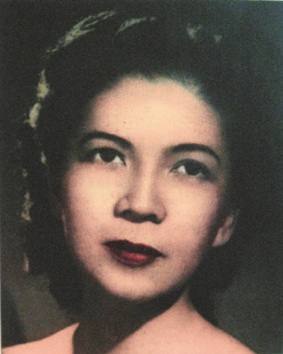
Dr Fe del Mundo
November 27, 1911 – August 6, 2011
She created history by upsetting Harvard tradition to become the first Philippine woman and the only female at the time (1936) to be enrolled at the Harvard Medical School. An extremely dedicated doctor, she founded the first pediatric hospital in the Philippines in 1957 with her own funds and a sizable loan. Her active participation in public health with special concerns towards rural communities led her to devise an incubator made out of bamboo, designed for use without electricity. Her citations include the Elizabeth Blackwell Award for Outstanding Service to Mankind in 1966 and “Outstanding Pediatrician and Humanitarian” in 1977. Also in 1977, she was awarded the Ramon Magsaysay Award for Public Service while in 1980, she was named “National Scientist of the Philippines”.
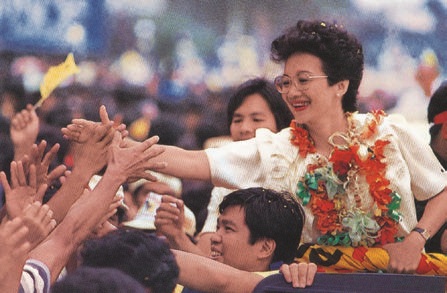
Corazon Aquino
January 26, 1933 – August 1, 2009
The ‘plain housewife’ was the most prominent figure of the 1986 People Power Revolution which toppled President Ferdinand Marcos’s dictatorship and restored democracy to the Philippines. Thereafter, she served as the 11th President of the Philippines, the first woman to hold that office, and the first female president in Asia.
She is deemed an inspiration for other women democracy campaigners in Asia such as Myanmar’s Aung San Suu Kyi. The People Power Revolution also served as a template for the overthrow of Communism during the 1989 Revolutions in Eastern Europe. Corazon was named “Woman of the Year” in 1986 by Time Magazine.
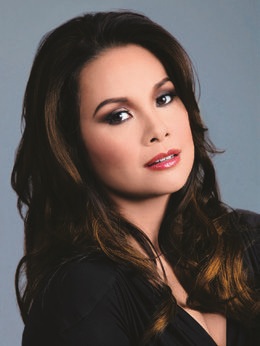
Lea Salonga
Best known for her lead role as Kim in the musical Miss Saigon, for which she won the Olivier, Tony, Drama Desk, Outer Critics and Theatre World awards. This accomplished singer and actress is the best-selling Filipino artist of all time, having sold over five million copies of her albums worldwide. Several other ‘firsts’ include Filipino artist signed to Atlantic Records (1993), Philippine-based artist to have received a major album release and distribution deal in the US and first Asian to play the roles of Éponine and Fantine on Broadway’s Les Misérables. She also provided the singing voice of two official Disney Princesses: Jasmine in Aladdin (1992), and Fa Mulan in Mulan (1998) and Mulan ll (2004). Consistent and ever popular, she continues her busy career, singing and acting both in the Philippines and abroad.
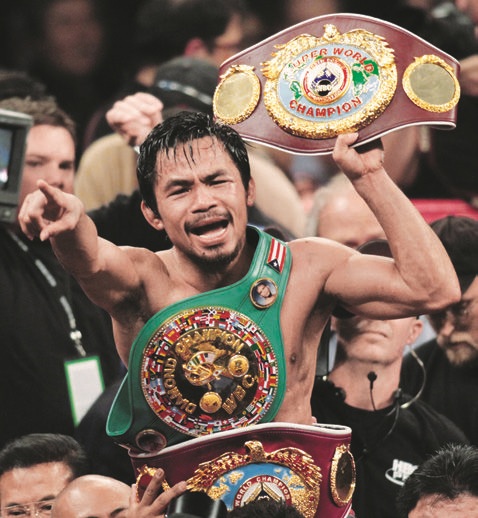
Manny Pacquiao
Having earned even more than Tiger Woods (according to Forbes), Emmanuel ‘Manny’ Dapidran Pacquiao boxed his way to riches and global stardom. The first eight-division world champion has won 10 world titles, and is also the only man to be world champion in four different weight classes. Manny was named in Time Magazine’s Top 100 Most Influential People in the World in 2009, and was ranked 22nd – ahead of Barrack Obama, Oprah Winfrey and the Dalai Lama. No other Filipino has ever clinched this honour. Just how influential is the ‘Pac-Man’? He is so revered in the Philippines that when he fights, everyone stops working to watch the boxing master at work in the ring.

Monique Lhuillier
Running a couture fashion house based in Los Angeles, California, this fashion designer is famous for her bridal wear and dressing actresses for the red carpet. Among the many celebrities she has worked with are Gwyneth Paltrow, Reese Witherspoon, Kristen Stewart, Drew Barrymore, Hilary Swank, Jennifer Lopez, Taylor Swift, Carrie Underwood, Nicki Minaj, Zooey Deschanel, Kim Yoo-Jin and Catherine Zeta-Jones. Fellow Filipina Lea Salonga has also become a client. Monique was invited to be a member of the Council of Fashion Designers of America in 2003 and was conferred the Medal of Honor by former Philippine President Gloria Macapagal-Arroyo in 2006.
When one observes the energy and economic rhythm of Manila, it is apparent why the Philippines faces the future with confidence. With a robust domestic demand, increasing tourism and mega projects and developments, the upbeat mood certainly gives added meaning to the tourism tagline that ‘It’s more fun in the Philippines’.

