

In collaboration with PASSIONS, VOICE OF ASIA is proud to present timeless articles from the archives, reproduced digitally for your reading pleasure. Originally published in PASSIONS Volume 49 in 2013, we present this story on Peru – a land thought to be made as how the gods envisioned the world to be.
Looking like the backdrop to an Indiana Jones epic, Peru is a land of hidden temples and raging rivers, undiscovered wildlife and growling Pumas, searing equatorial temperatures and cool mountain breezes. It is a world of heritage and a hub for business, a South-American holiday hotspot and an Inca-trail adventure. PASSIONS explores the legend of this land of discovery.
Force of Nature
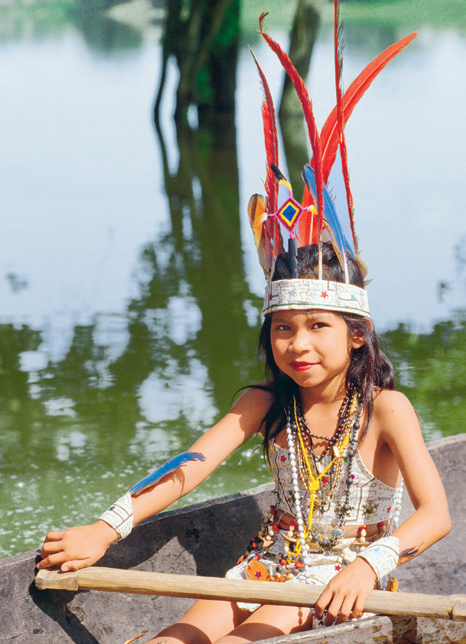
If you are a nature lover – then there is something for everyone in the breathtaking landscape of Peru. The diverse environment has a contrast of forest and desert in its coastal regions, soaring Andean snow-topped peaks, deep, dark ravines in the mountain regions and green Amazonian jungle with thousands of stunning and unusual wildlife that one can only imagine in fantasy. Drenched with history, Peru has thousands of years of immense heritage reflected in a geography that would take a lifetime for a curious mind to fully explore.
Before modern science and perspective, the Incas imagined that this beautiful piece of the world was where the gods created the planet. Viewing the amazing landscape, carved by thousands of years of nature, it is easy to see why they had this illusion.
The biggest lake in South America, Lake Titicaca is one of the most beautiful sights to see while on the continent and was a sacred place for the Incas. According to Inca mythology, their God Viracocha arose from the depths of the lake to create the stars, the sun and the moon, and the recent discovery of an underwater temple proves its major importance as a religious axis for the Incas. The colours here vibrate, as at 2.4 miles above sea-level, altitude sickness can cause a dizzying affect on the senses. Also, because the lake is located on the equator, the sun sits seemingly so close above that you that you can reach out and touch it. Lake Titicaca is a memorable stop on an endless trail of spiritual discovery.
High and Lows
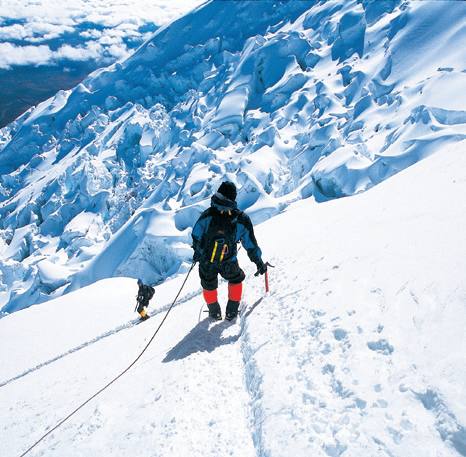
The highlands of the Andean mountain range cover 32% of the territory of Peru, and the rugged chain of volcanoes, grasslands, deserts, high altitude lakes and lush forests are home to some of the most diverse habitats on earth – the mountain of Nevado Huascarán providing the highest point at 6,768 metres. Flocks of brightly-hued tropical birds, postcard-perfect volcanoes and ice-covered trails are accompanied by the most heart-racing drops. Walks in the heights of Peru let you feel above and beyond the clouds.
The Andes are also home to the epic lows of the country’s topography, as the Colca Canyon is more than twice as deep as the famed Grand Canyon. Despite the sheer depth, eyes are drawn skywards as Colca is also home to the Andean condors, who circle menacingly above. The birds can be seen at fairly close range as they float upon rising thermals. Less threatening stares can be found in Manu National Park as the near 8,000 square miles of exquisite tropical forests are home to thousands of butterflies, two thousand flowers and plants and several hundred birds.
No Machu for Man
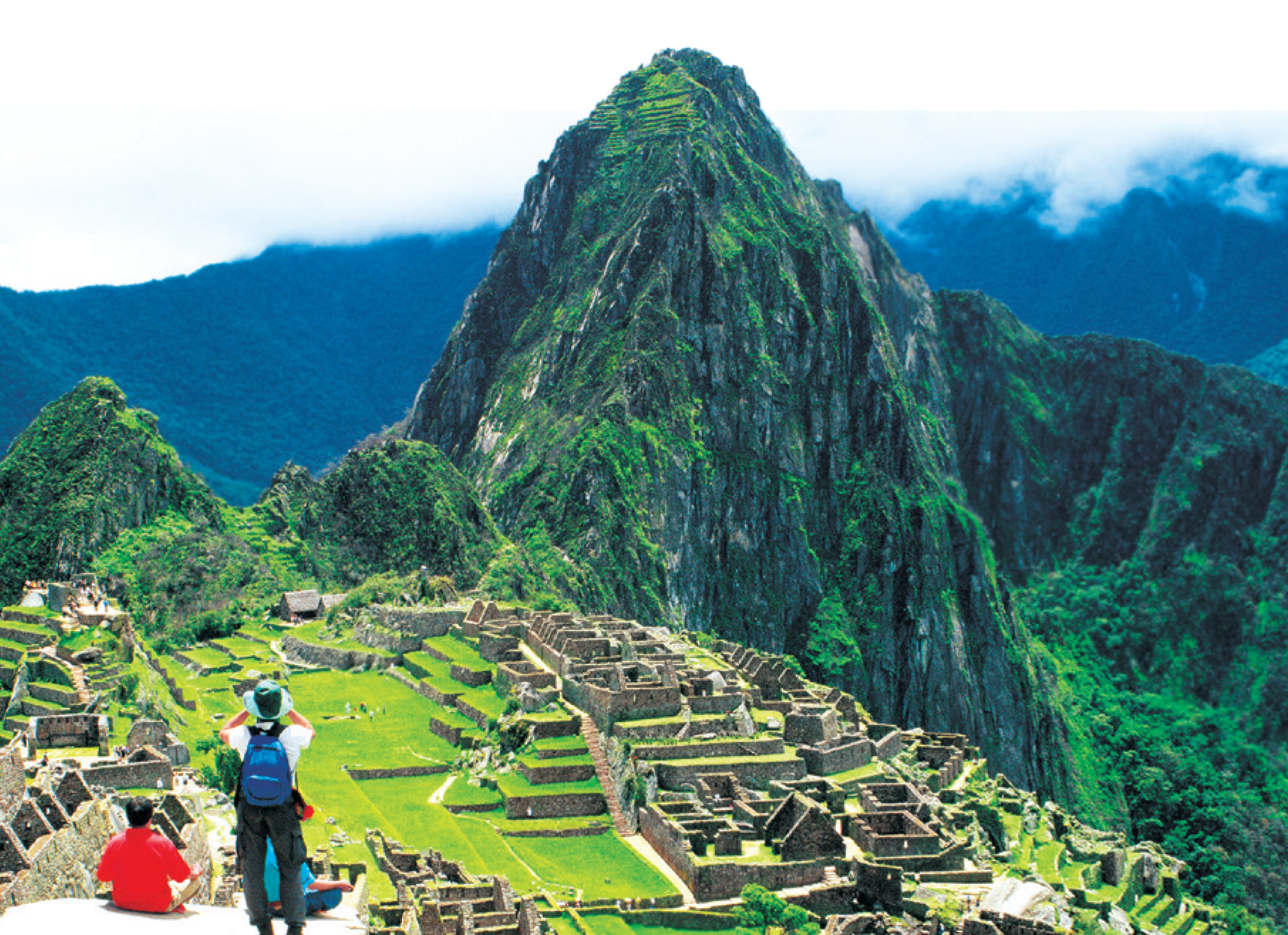
Of course, it is not only beauty created by Mother Nature that makes Peru a must-visit destination, as there are plenty of delights crafted by Peruvian ancestors to admire. When a heritage site within your country is one of the remaining wonders of an ancient world, you are guaranteed a phenomenal gateway to the past. Peru is, arguably, most famous for the Inca trail and the Inca’s ‘Old Mountain’ lost city of Machu Picchu.
One of the world’s most fascinating archaeological sites, Machu Picchu was built in harmony with the natural surroundings on a breath-taking mountain-top. Although locals knew of it, the city was largely unknown to the outside world before being ‘discovered’ in 1911 by historian Hiram Bingham, who introduced the site to world consciousness.
Swirling mists of cloud envelop the green slopes of this site that sits at an altitude of 2,430 metres above sea level and is estimated to date back to the reign of Inca Yupanqui in the 1400s. Invisible from the Urubamba Valley below and completely self-contained, Machu Picchu is surrounded by agricultural terraces and watered by natural springs. For the majority of the available routes, the journey is a gruelling, gritty trek, but a company called Mountain Lodges of Peru recently opened four Andean lodges – each a day’s walk apart – along one of the trails, the Salkantay Pass, so trekkers can be accommodated in relative comfort.
Figure of Beauty
Another must-see – this time from the sky above – are the sequences of mystical lines thought to be influenced by the cosmos and carved by ancient man into the Nazca desert, forming the shapes of spiders, sharks, lizards and a hummingbird, to name but a few. Created between 200 BC and 700 AD, the trenches are only a few centimetres in depth, made by removing the pebbles that covered the desert to reveal the light-coloured earth and produce lines which contrast with the surface. Though this layer contains limestone and the region receives little rainfall, changing climate means that the patterns could eventually be washed away – a prime reason to visit these ancient marvels before they recede into the earth.

City of Kings

For all of its ancient history and historic focal points, it is easy for one to forget the modern metropolises that drive forward the Peru of today. None more so than the capital of Lima, situated on the West coast and a melting pot of culture and home to 9.1 million people. One of the most important financial centres in the Americas, Lima also has a vibrant night-life, thriving industry and beautiful architecture. The ‘City of Viceroys’ has its share of history too – with its origins dating back to 1535 – though the bustling capital is far from filled with ruins.
The Torre Tagle Palace is an awe-inspiring building that today is the headquarters of the Foreign Affairs Ministry. The Miraflores district has plenty of five star hotels in the midst of its modern infrastructure, with restaurants, art galleries, theatres and shopping malls. Beaches along the coast provide radical surfing opportunities year-long and overhanging cliffs are ideal for adventure sports.
Peru is a destination for delicious gastronomy too, and thanks to its varied geography the staple ingredient changes to accommodate produce from a particular area. A wave of African, European, Chinese, and Japanese immigrants have influenced the culinary offerings in Peru, and these exist in harmony with traditional Peruvian cuisine. The Incas are famously linked to the pure cocoa bean, and the euphoria it provides influenced the development of the popular Peruvian cocoa tea. One takes loose cocoa leaves, adds boiling water and sugar, and downs a concoction which not only cures the whole body of aches and pains but somehow alleviates the effect of the altitude too.
14 airports are equipped to receive commercial flights and 10 are for international arrivals and departures: among which are Lima, Arequipa, Chiclayo, Pisco, Pucallpa and Iquitos. Touch down on the tarmac and celebrate one of Peru’s 3,000 festivals, ancient heritage, and become at one with nature – just Peru and you.
Whichever corner of this amazing country you choose to visit, Peru will leave you in awe. Marvel in wonder at how Incas, with no modern tools or machinery, built structures that endured thousands of years on the side of inaccessible mountains. Or stand lakeside, 2 miles high, and feel the size and beauty of nature wallop you like a tsunami. Simply put, if the altitude in Peru does not take your breath away, it is guaranteed that around the corner there lies something else that definitely will.

