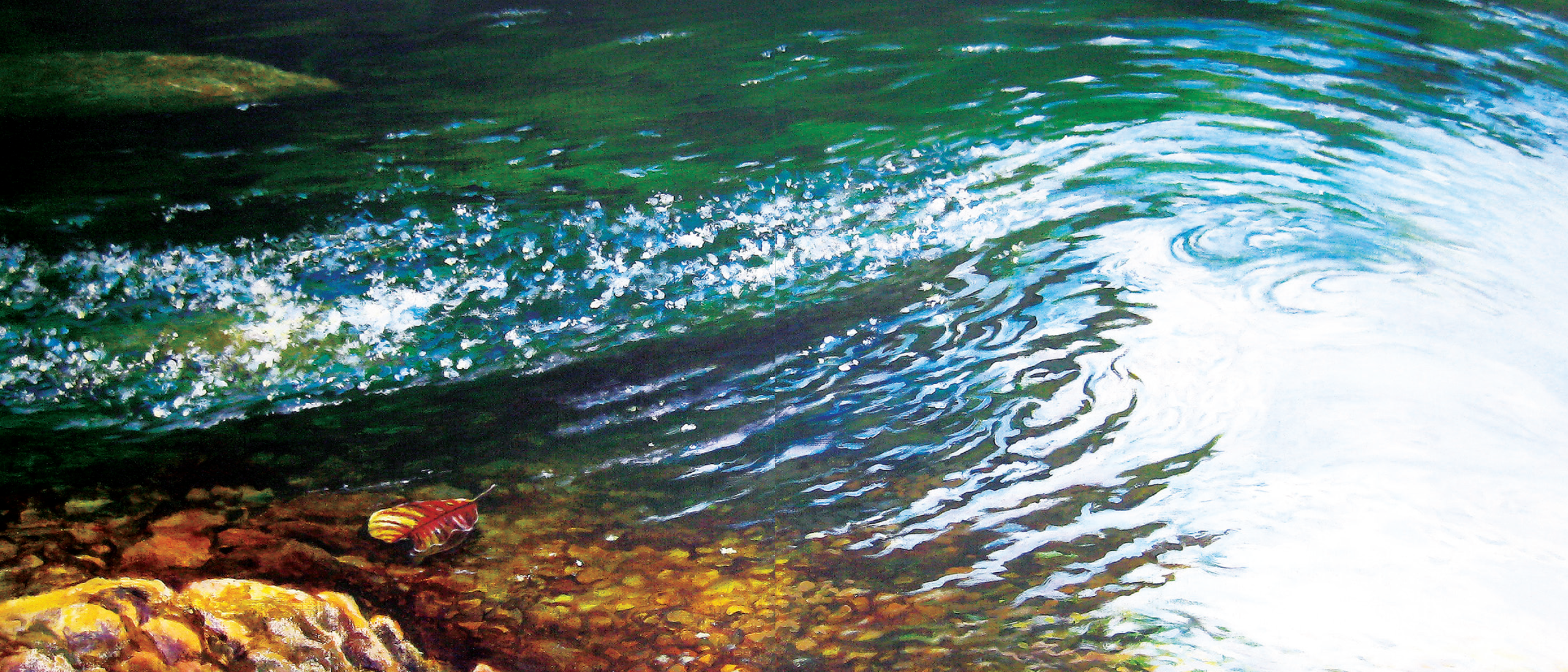
In collaboration with Convergence, VOICE OF ASIA is proud to present timeless articles from the archives, reproduced digitally for your reading pleasure. Originally published in Convergence Volume 19 in 2013, we present this story on some of Malaysia’s greatest artists, who proudly displayed their works at the Malaysia Contemporary Art Tourism Festival.
Since time immemorial, humanity has expressed itself through the application of pigment to a medium – the art of painting. Just as many nations in history have become famous for the greatness of their art, Malaysia, too, is blessed with a wealth of talented artists, bringing the world around us to life on canvas in their own distinctive way. In celebration of the Malaysia Contemporary Art Tourism Festival which runs from July to September, Convergence takes a look at some of the finest painters in Malaysia.
ABDUL RASID YUSOF
A Natural Talent
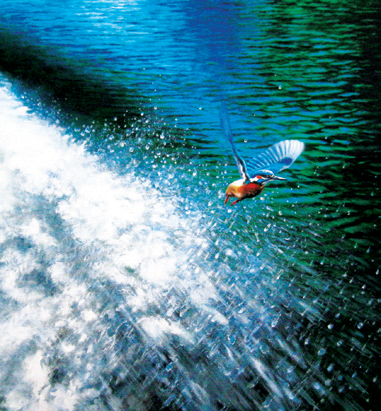
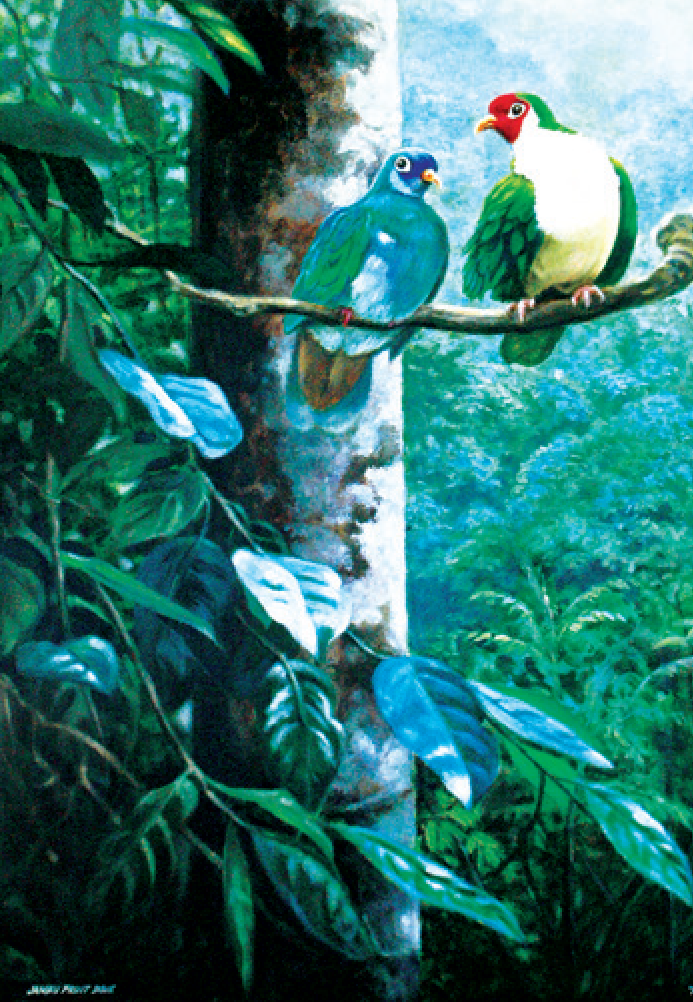
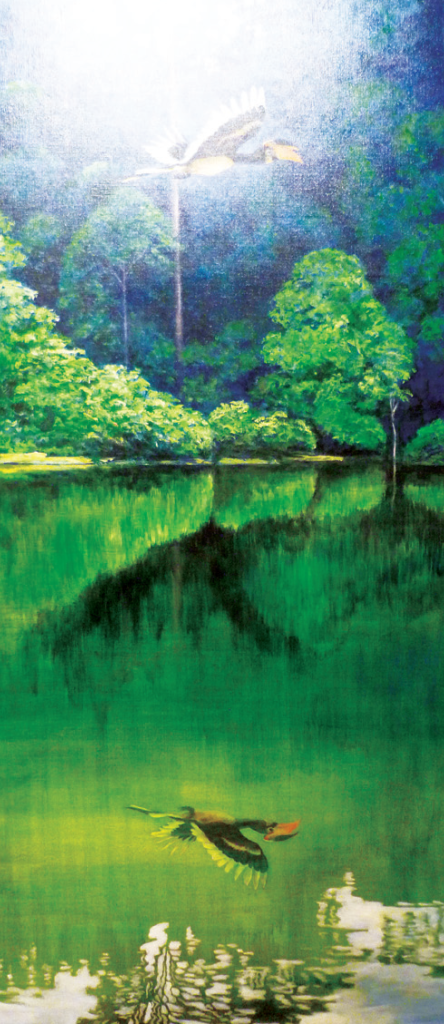
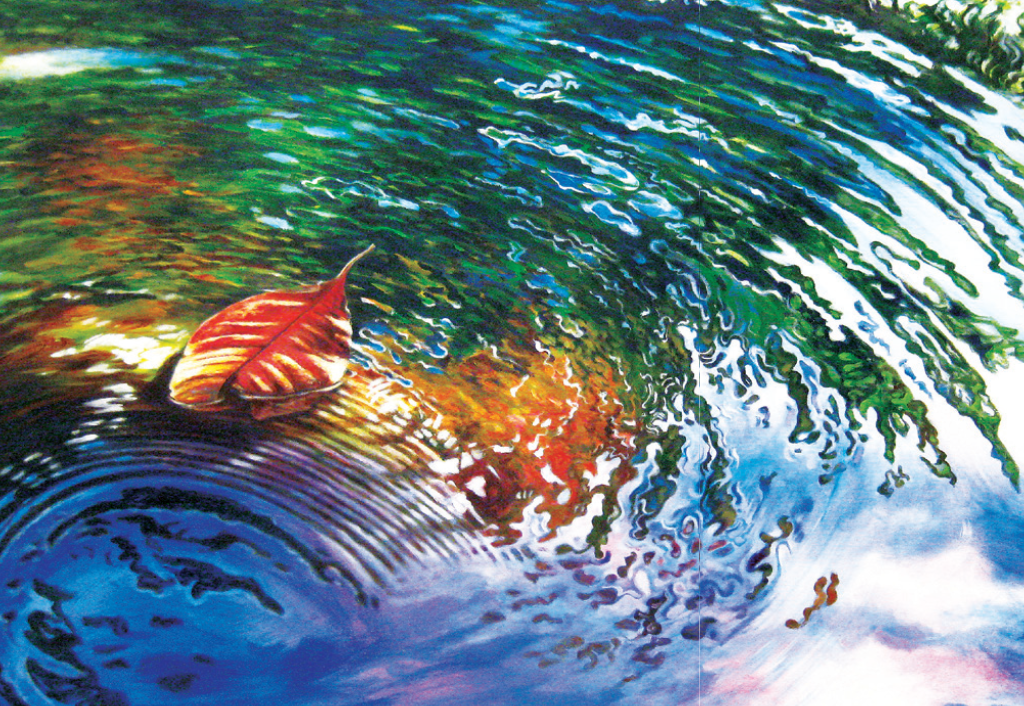
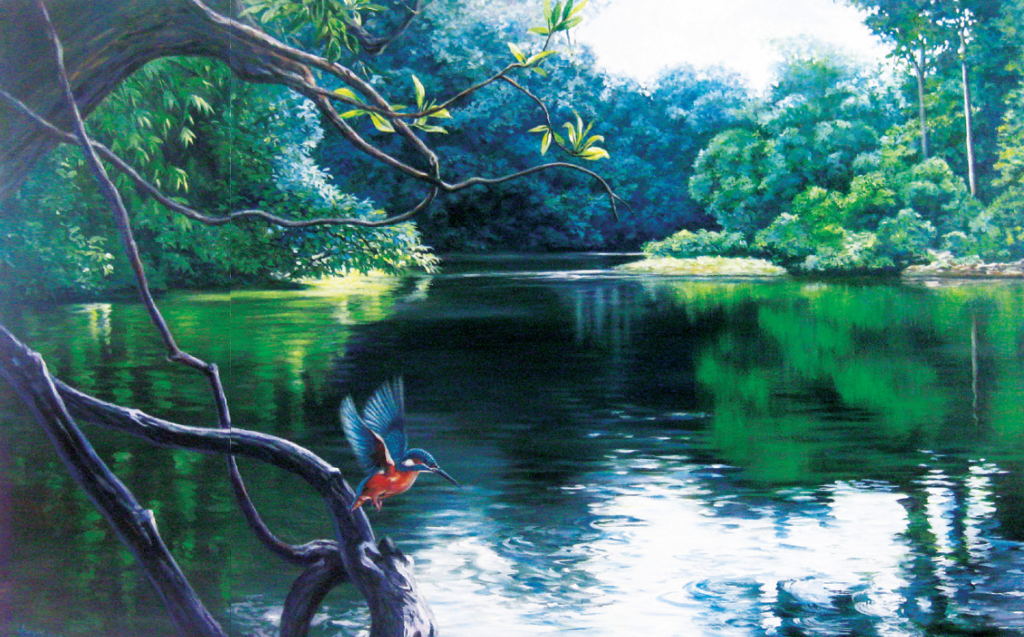
It may be hard to believe from looking at one of his paintings, but Abdul Rasid Yusof has never received a formal education in art, instead picking up the skills through lessons from his father, by reading books, attending exhibitions and engaging in discussions with fellow artists. At the age of 20, he began work as a freelance book illustrator, commissioned by several prominent publishing houses. A decade and a half later, his amply demonstrated attention to detail – and ability to capture the essence of the subject – made a career in art a natural choice.
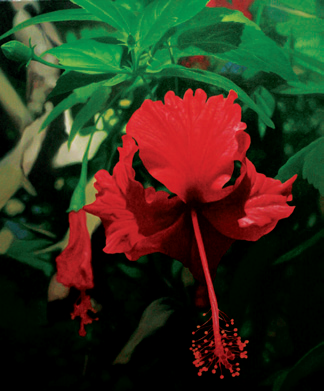
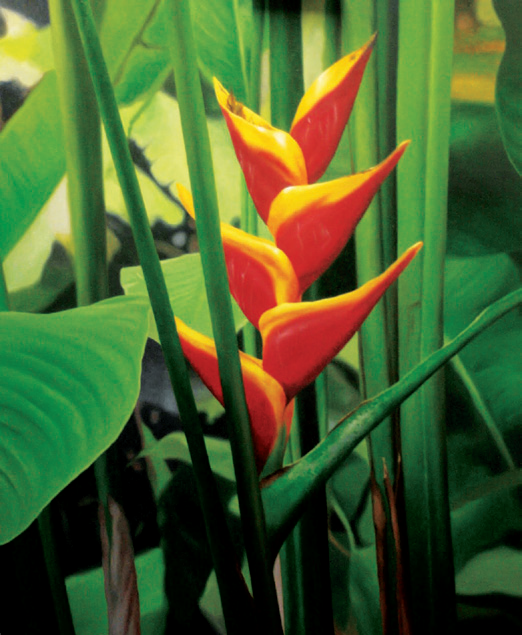
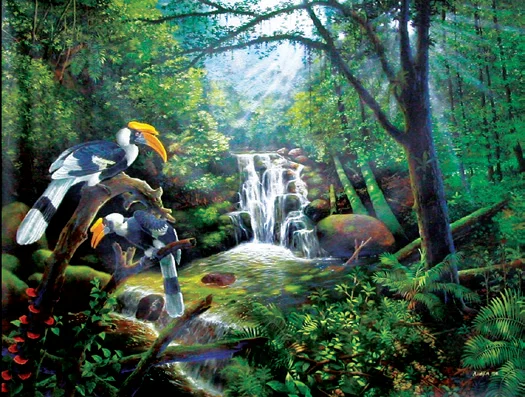
At the heart and soul of Abdul Rasid’s work is Malaysia’s natural beauty. The main goal in each of his pieces, he says, “is to convey the importance of maintaining a harmonious existence with the environment.” in the pursuit of his art, Abdul Rasid has travelled extensively through the country’s lush rainforests and mountains, observing firsthand the various flora and fauna that serve as his subjects and bringing them to life in his compositions. Sometimes he cannot witness for himself a rare or endangered species, instead relying on a reference source. Under such circumstances, his art takes on further meaning: most people will only see these beautiful creatures through another medium, and we must act now to ensure that they do not vanish entirely.
Abdul Rasid’s talent has been showcased at a number of major exhibitions, including the first four iterations of the international Art Expo Malaysia from 2007 to 2010, and also Manila Art ’09 (Metro Manila) in the Philippines in 2009. He has also been invited to exhibit his pieces at prestigious galleries such as the Zhuzhou Art Museum in China.
AHMAD FAUZI ARSHAD
Batik on Canvas
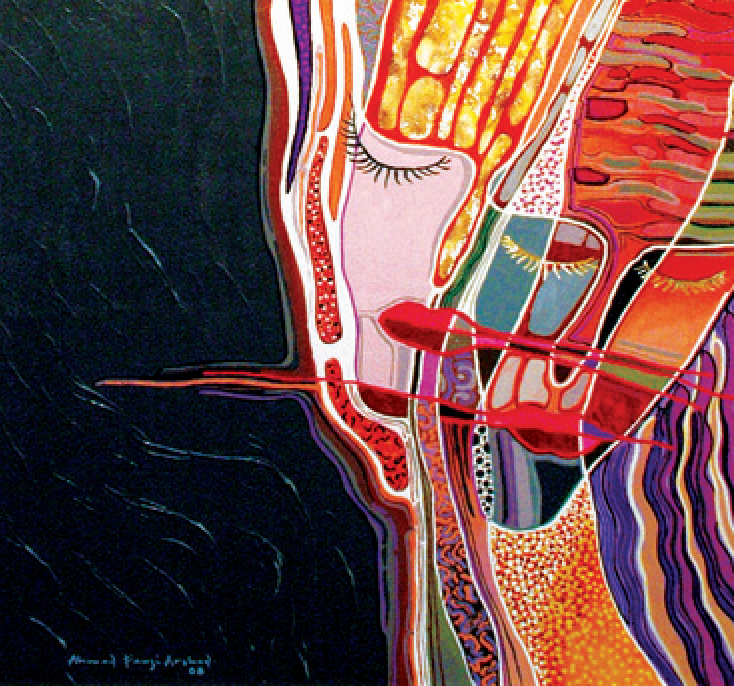
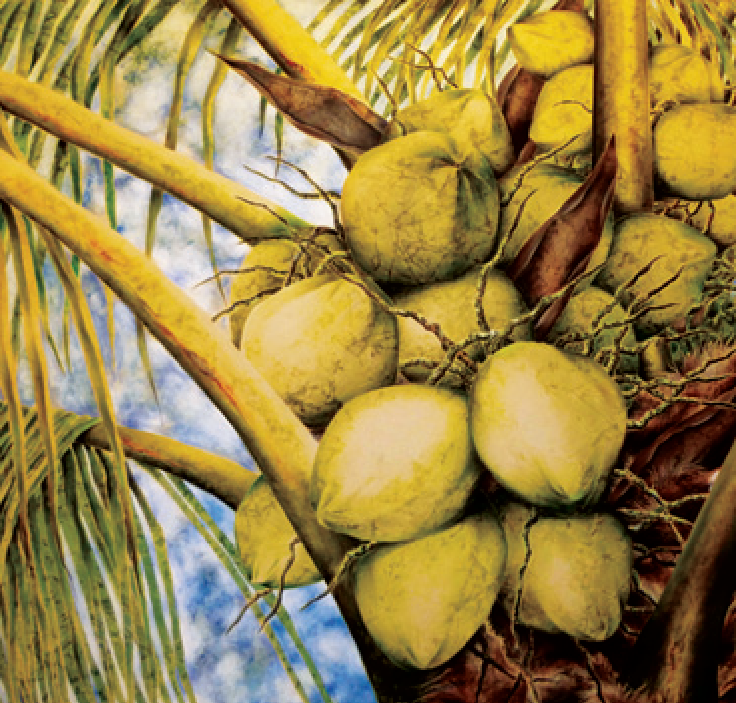
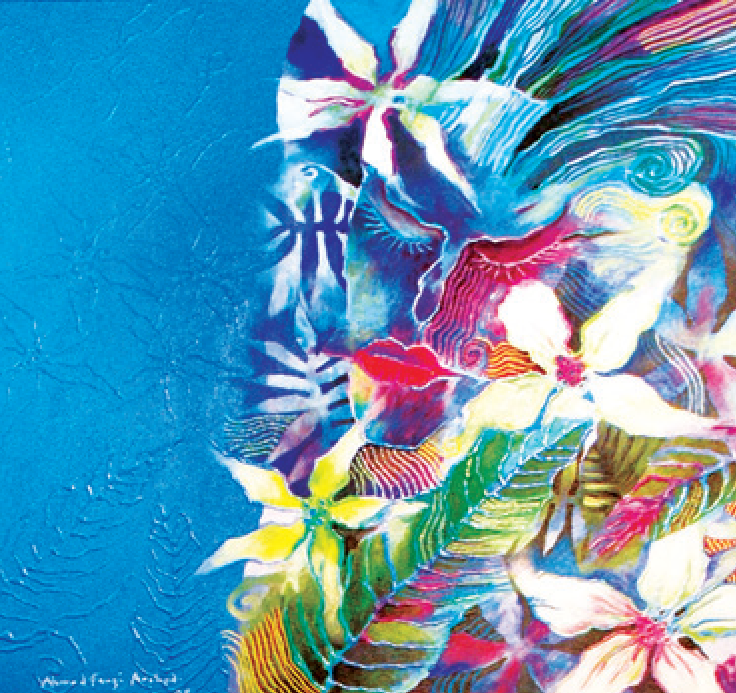
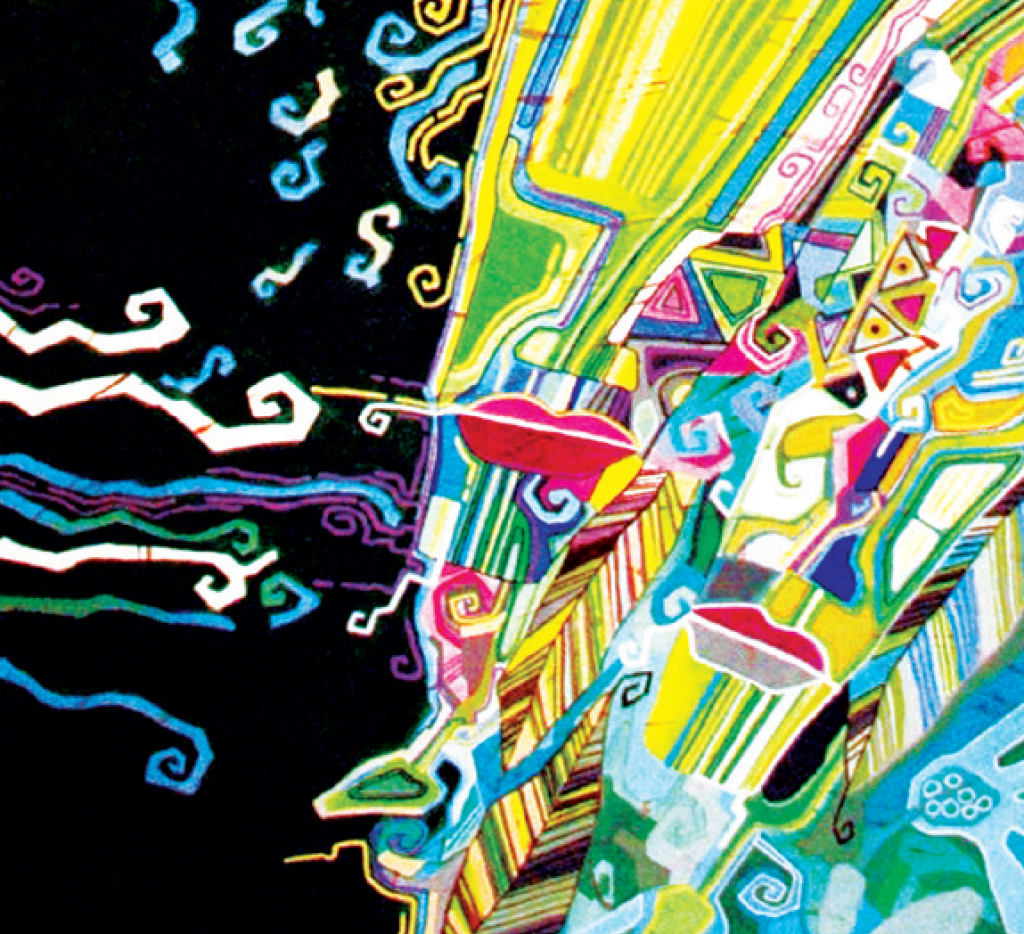
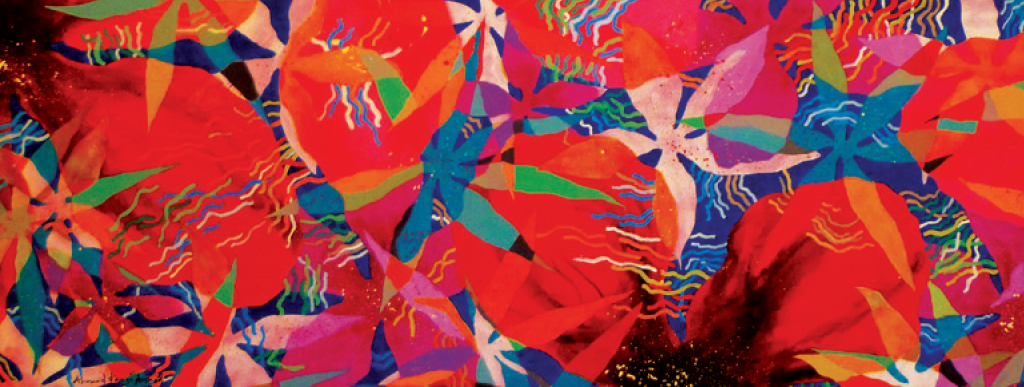
Self-taught artist Ahmad Fauzi Arshad is the eldest of three brothers, all painters. He got his first break in 1975, when he worked for master batik craftsman Wan Nong Ahmad. it was here that he fell in love with the art of batik making, and he was soon producing new designs and paintings, developing new techniques and styles that would change the face of the industry. in the mid ‘80s he transitioned to fine art, honing his talents with the mixed media and acrylic that he and his brothers use to this day. Among the exhibitions at which his work has been featured are From One Earth and Malaysian Landscapes, both in 2006, as well as the Double Solo Art Show “Tropical Mood” in 2012.
Ahmad Fauzi’s art typically depicts natural subjects, particularly the classic tropical fruit: the coconut. True to batik traditions, he is an expert at creating abstract patterns which incorporate elements such as flowers and bamboo leaves. regardless of whether his pieces are abstract or lifelike, however, they are sure to display an abundance of bright colours and organic, free-flowing brush strokes. As he enthuses: “I enjoy the energy and emotion of that moment of creating. When I paint, I rarely plan, and when I can see the flow and the direction the artwork is going in, that’s when it becomes exciting!”
ABDUL LATIF MAULAN
Touching the Soul
Like many other artists, Abdul Latif Maulan comes from humble origins. He was born and raised in an inland village in Pahang, completing his secondary education there in 1991 and finding a job in a nearby town as an advertising designer. Accepted as a resident Artist at a local gallery some time later, he received an informal education in the world of art and had the opportunity to meet several famous Malaysian artists. it was their encouragement that drove him to take up art on a full-time basis, launching his first exhibition in 1996 – and he has never looked back.
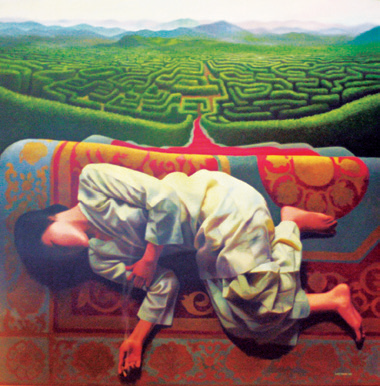
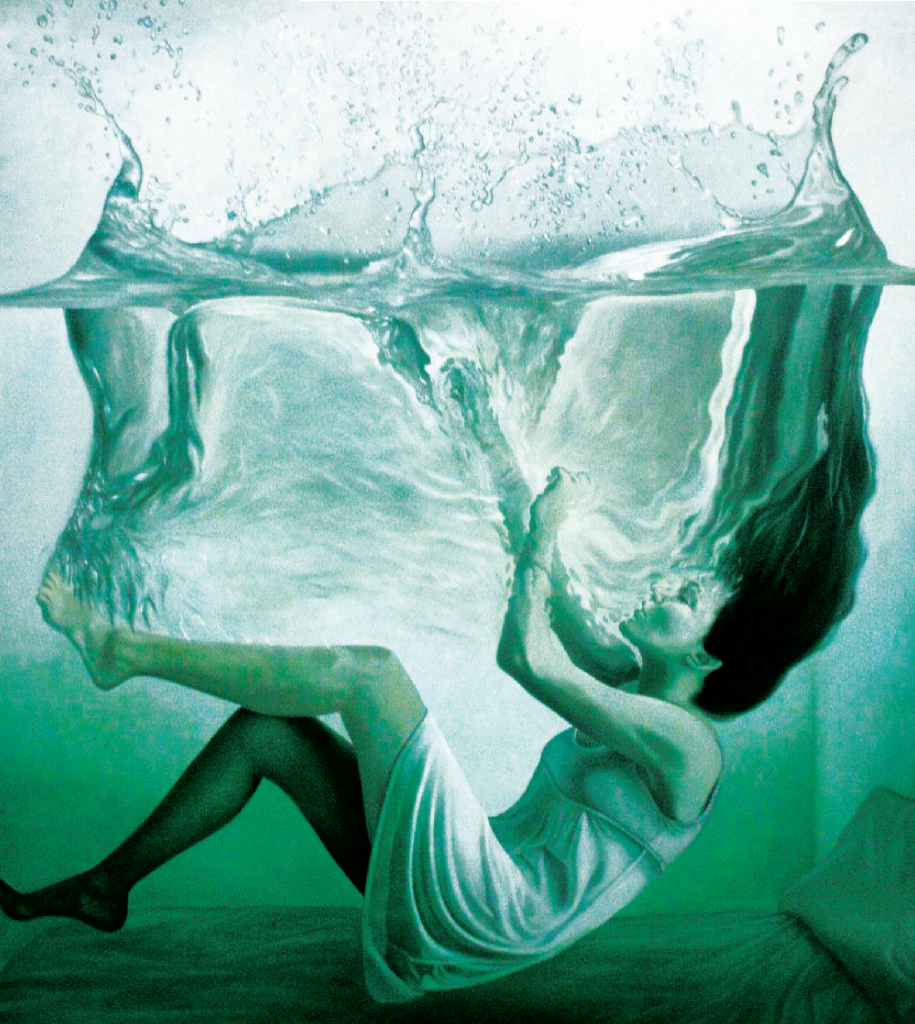
Abdul Latif’s paintings pull no punches, either in terms of visual detail or in pathos. Whether it is the haunting image of a woman asleep while submerged in water or the untrammelled beauty of a rainforest landscape, no artist evokes deep-seated feelings of awe quite like Abdul Latif. perhaps his unique style is best captured by the title of his 2006 solo exhibition in Kuala Lumpur: Parallel Universe.
In addition to a long list of national exhibitions, Abdul Latif’s work has been displayed on an international level during his inspirational Travel tour which took in Australia, England, France and Italy. The sale of some of his artwork also helped raise funds for the Malaysian Red Crescent following the 2004 Indian Ocean earthquake and tsunami.
CHANG FEE MING
The Wandering Artist
For three decades, Chang Fee Ming has built a reputation as one of Asia’s most accomplished watercolour artists. A signature member of the US National Watercolour Society since 1994, he has exhibited his works all over Southeast Asia and in Australia, Taiwan, South Korea, China, the USA, Canada, Hong Kong, the UK, Sweden and Brazil. Numerous books have been published about the man and his art, including The World of Chang Fee Ming (1995), The Visible Trail of Chang Fee Ming (2000), Mekong (2004), Mekong Exploring the Source (2008), Imprinted Thoughts (2009), Sketching Through Southeast Asia, (2010) and Visage (2010).
Fee Ming’s art is unmistakably a product of the circumstances of his youth. Born in a village in Dungun, Terengganu, he was the son of a failed goldsmith surrounded by even poorer Malay fishermen. At the age of fifteen, he dropped out of secondary school to work in his brother-in-law’s sign-painting shop – an unorthodox beginning to an art career, but one which gave him a freedom to experiment without the constraints of an art school. Three years later, he visited a nearby guesthouse known as Awi’s Yellow House, where he met travellers from all around the world and heard the enthralling stories of their adventures worldwide. The experience broadened his horizons, instilling in him a desire to see the world beyond his sleepy hometown.
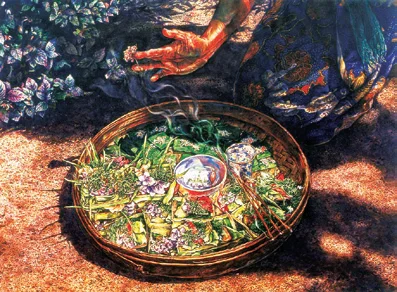
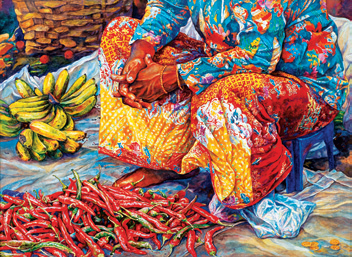
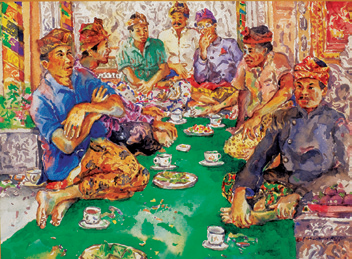
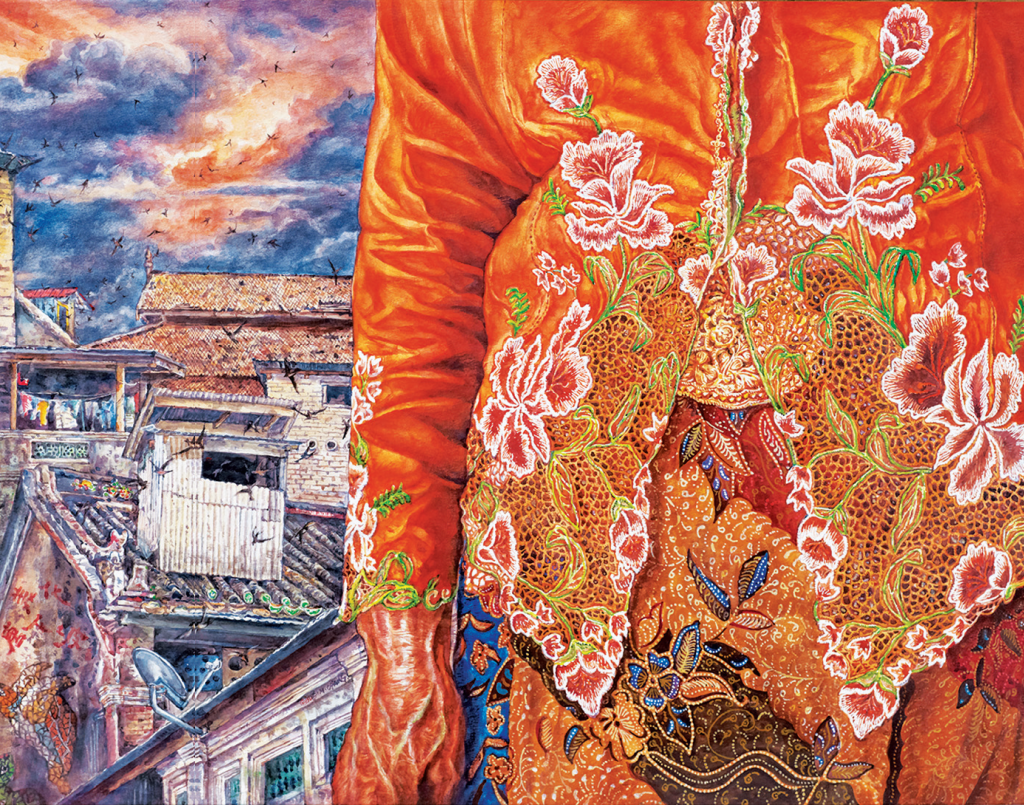
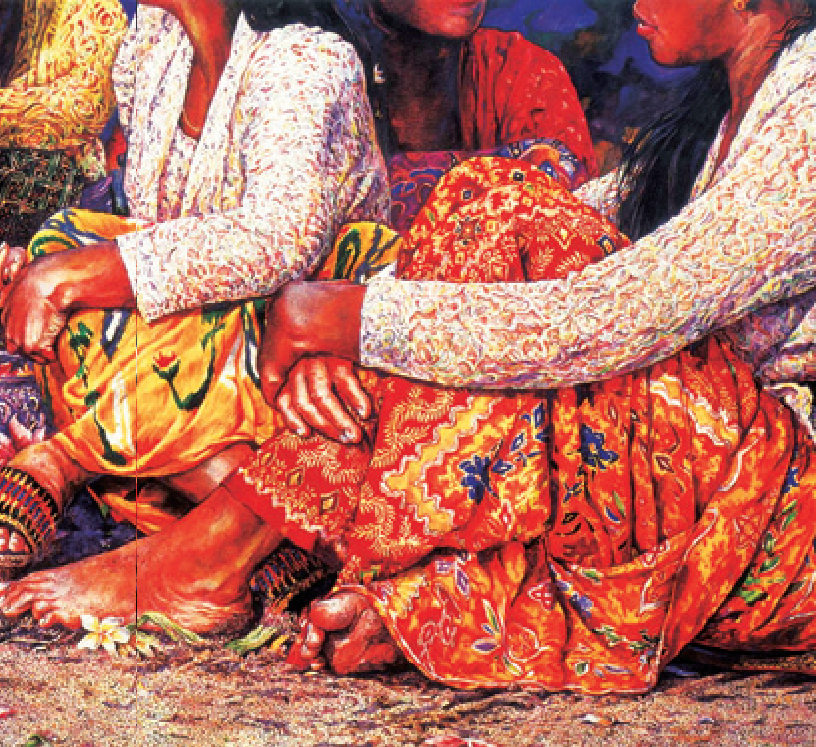
Since then, Fee Ming’s art has brought to life the stories of Southeast Asia’s common people; from fishermen to marketplace vendors to monks. He captures the cultural essence of the places he visits – gamelan performances, shrines, weddings and even cremation ceremonies. His magnum opus, the internationally-renowned Mekong series, is a story of life in the countries along the river, from Tibet through china’s Yunnan province, Myanmar, Laos, Thailand, Cambodia and Vietnam. “To travel, see, and paint is a way of learning for me, part of my life philosophy,” he says.
DATO’ CHUAH THEAN TENG
One of a Kind
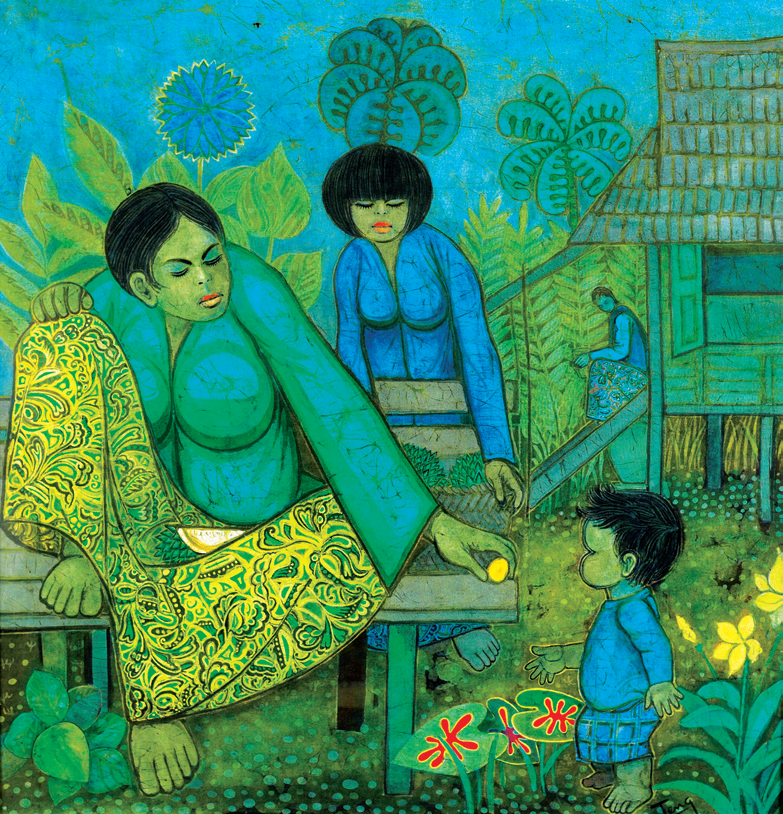
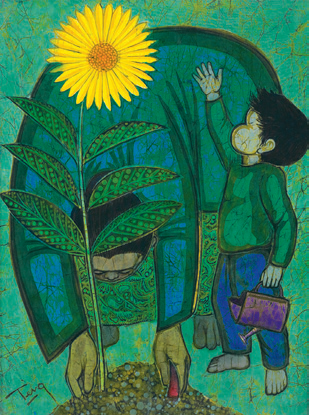
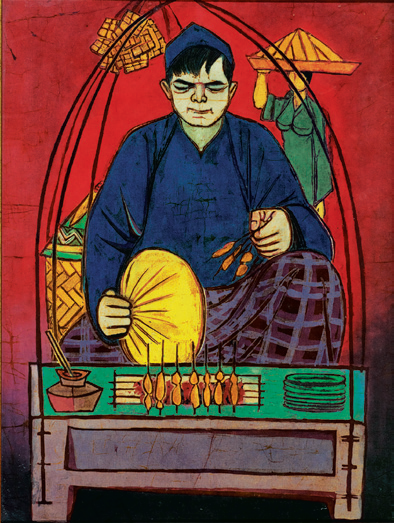
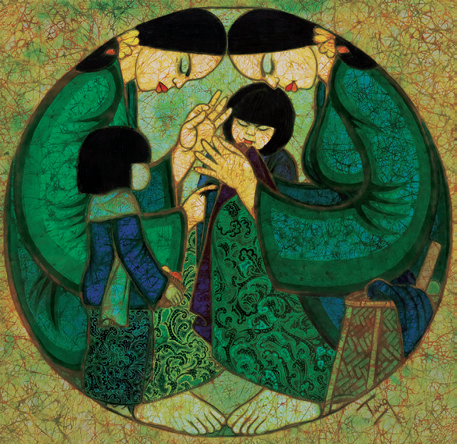
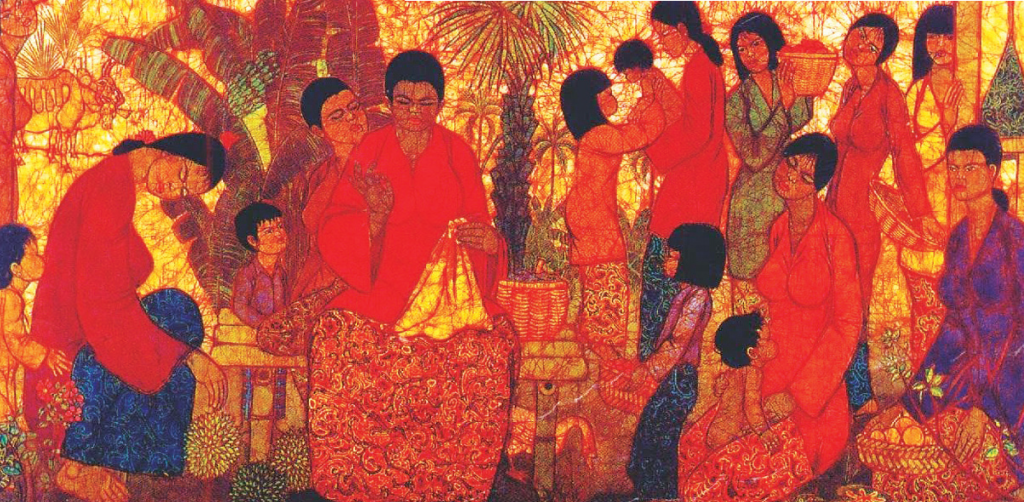
The father of Batik painting, Dato’ Chuah Thean Teng (1912 – 2008) turned Southeast Asia’s centuries-old traditional craft into a medium for fine art. Born in China, he studied at the Amoy Art School before emigrating to Penang, Malaysia with his parents at the age of 17. At heart he was always creative, evidenced by the ways he earned his keep in a variety of trades including papermaking, tapioca farming, baking, trading, umbrella making, cloth design and education. initially, Teng (as he always signed his works) was a painter in oils and watercolours, as well as a batik craftsman. in 1953, he hit upon the idea of combining the two skills into one.
It took two years of experimentation before he was able to create something presentable in the new art – a self-portrait executed in pointillist technique – and it was an instant hit. The debut exhibition of his collection, organised by the Penang Arts council in 1955, was just the first of many successes. The accolades accumulated steadily over the course of the next half-century. in 1959, the commonwealth institute of Art in London, England hosted the first exhibition by a Malayan artist to be sponsored by the then Malayan government, and the British council granted Teng a fellowship for his work. Three years later, he received the Diploma of Merit when some of his representative works were shown at the First international Art Exhibition in Saigon, Vietnam.
When he was exhibiting in Europe in 1965, the United Nations’ International Children’s Fund (UNICEEF) selected his batik painting “Two of a Kind”, depicting children in their mother’s arms, as their greeting card. Teng would be so honoured again alongside his son Seow Keng in 1988, when three of their works were included in UNICEF’s greeting card selection. To this day, his heart-warming depictions of mothers and children continue to captivate the hearts of viewers worldwide.
DR FOO YONG KONG
Two Worlds Collide
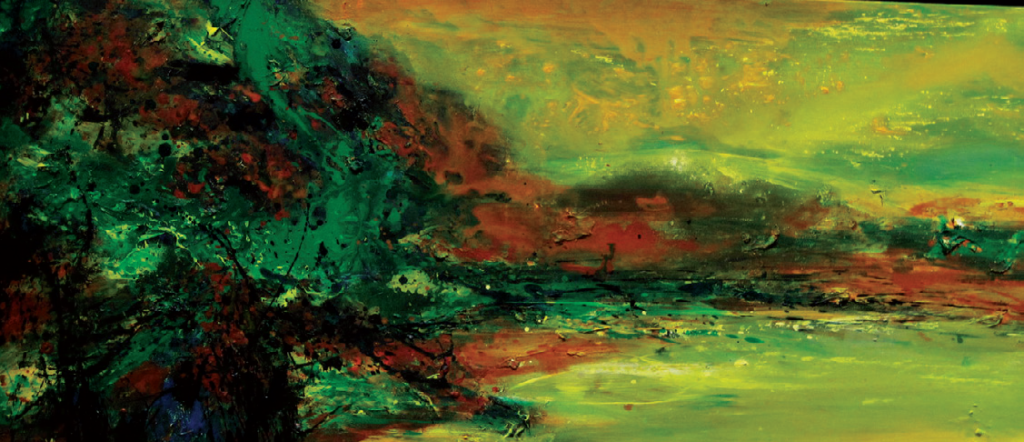
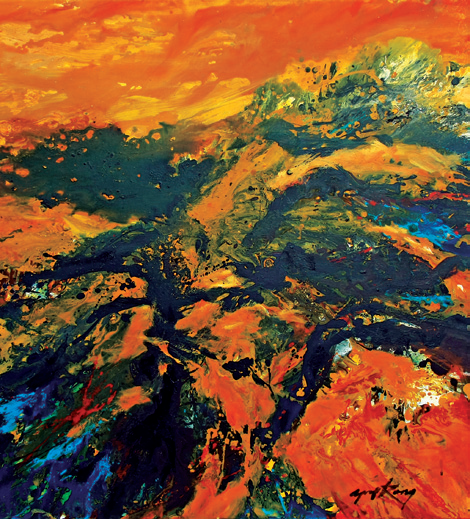
Dr Foo Yong Kong (born 1948) brings cultural fusion to canvas. After graduating from the Malaysian Institute of Art with a major in oil and Chinese ink painting, Yong Kong spent over a decade studying art abroad, travelling extensively through Asia (where he held several exhibitions) and Europe. The search for universal art lead to him exploring the field of abstract art, augmented with the artistic traditions of the East he was trained in.
The results, aimed at capturing the all-encompassing beauty of nature, have been nothing short of spectacular. His personal Abstract-Expressionism style, combining the philosophies of east and west, are embodied in his unrivalled depictions of vast mountain ranges, lush rainforests and verdant wetlands. Created from bright splashes of colour on canvas, his art flows naturally and spontaneously from a passion for the craft.
The other distinctive mark of Dr Foo’s abstract art is his internationally-acclaimed calligraphy. His passion for the traditional calligraphy of Chinese poetry – and of poetry itself – manifests itself through broad brushstrokes in brilliant colours on the classical medium of rice paper. He has brought this timeless tradition into the realm of fine art, exploring the symbolic meaning of the Chinese characters in his own abstract, unique style. As befitting a master of fusion, his unrivalled work has proven to be as popular at international art galleries in Europe and the US as in Asia.
The many honours bestowed on him throughout his career have included the Gold Medal at the 2008 Asian invitation Art Exhibition in Seoul organised by the Korea Culture Art research Institute, and a second gold at the 2008 Seoul Modern Calligraphy Biennale. In 2003, the Inter-American University conferred a PHD in art, and he is currently Visiting professor at Nanjing Art Institute, China.
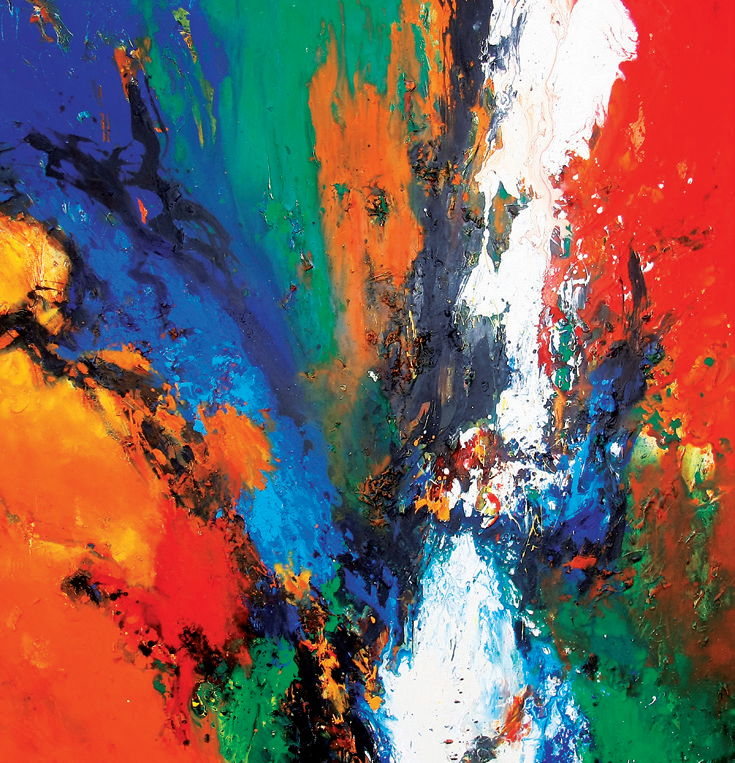
Simple dabs and strokes of colour, composed in the most delicate of ways, can speak to the soul with overwhelming emotion. In executing their craft, Malaysia’s artists represent not only their home country, but the world and all its people. Their skill, passion and commitment to capturing the magical beauty around us using the humble paintbrush is truly worthy of celebration.