


In collaboration with High Life: Living the Good Life, VOICE OF ASIA is proud to present timeless articles from the archives, reproduced digitally for your reading pleasure. Originally published in High Life Volume 4 in 2015, we celebrate family, as depicted in popular works of fiction.
At no other time is the overwhelming and compelling power of familial love more apparent than during times of crisis. It is then that one can truly experience the extent of devotion that comes with the bonds of kinship. In line with the theme of family and love in this issue, HIGH Life presents some works of literary classics where the protagonists rise above themselves, fuelled and encouraged by blood ties.
Little Women – Louisa May Alcott
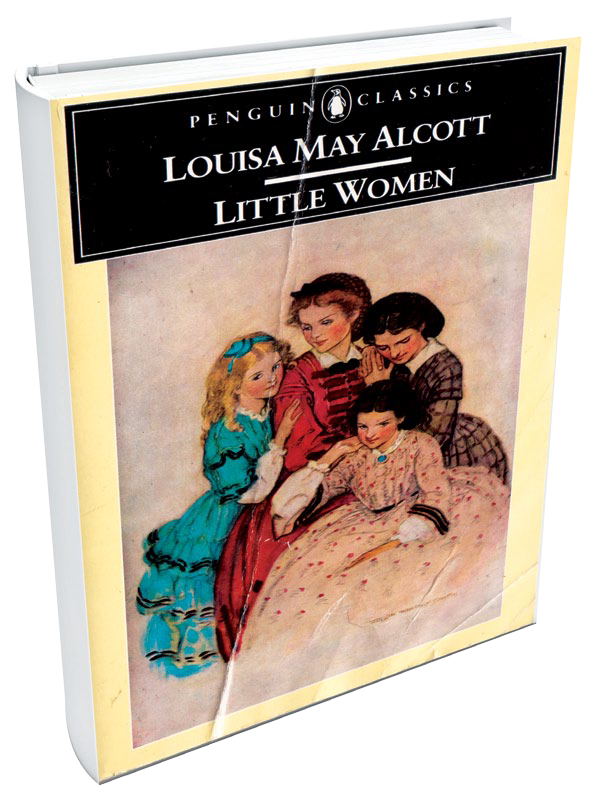
A product of its era, Little Women is a literary airing of what most women of the day faced — the tug of war between familial obligations and ambition. Originally published in two volumes in 1868 and 1869, it is inspired by the author’s personal circumstances and experiences. The themes promoted in the story include the questionable validity of gender stereotyping, the necessity of soul satisfying work, and the importance of being genuine. However, the work differentiates itself from other didactic fiction of its time by allowing readers to derive and conclude on their own the moral lessons expressed rather than preach them.
The ensuing poverty since their father’s departure to serve in the American Civil War, leave the four March girls — Meg, Jo, Beth and Amy — determined to derive what limited advantage they can from their circumstances through various means, activities and social connections. The girls go through considerable happenings, twists and turns which would not be out of place in today’s soap operas. But with fortitude and familial solidarity along with unshakeable conviction, they surmount their problems and the vagaries of life. Beth, unfortunately, passes on, while the rest succeed in finding both love and their happy place in the scheme of things.
The Swiss Family Robinson – Johann David Wyss
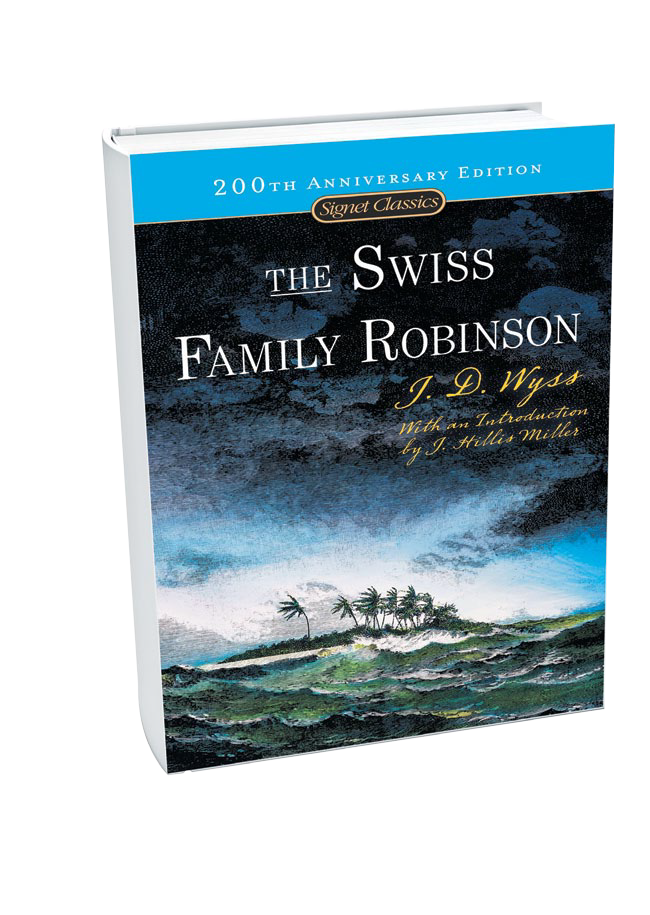
First published in 1812, The Swiss Family Robinson is a children’s story but with a message for humanity. It exemplifies how fortitude and ingenuity save the day over and over again. We learn from the Robinson patriarch lessons on stewardship, as the family doggedly cope with the challenges of being stranded on a deserted island where daily living revolves around establishing basics like food and shelter. And along the way, through their adventures, we are reminded of our inalienable human values of industry, cooperation, innovation, grace and love which are intrinsic to the building of steadfast families and societies.
Left to fend for themselves while everyone else abandoned ship and consequently perished, the Robinson family soon start life anew on an uninhabited island. Knowing that they could be marooned indefinitely, they endeavour to make the best of their christened “New Switzerland” through farming, hunting and creating helpful conveniences. After a decade, they are confronted with an opportunity to return to civilisation by way of a passing ship. With the family’s blessing, it was decided that the eldest and youngest of the four Robinson children should re-establish themselves in Switzerland while the rest of the family continue to build their “colony”, joined by three others from the ship who have become enamoured of the “island lifestyle.”
So Far From the Bamboo Grove – Yoko Kawashima Watkins
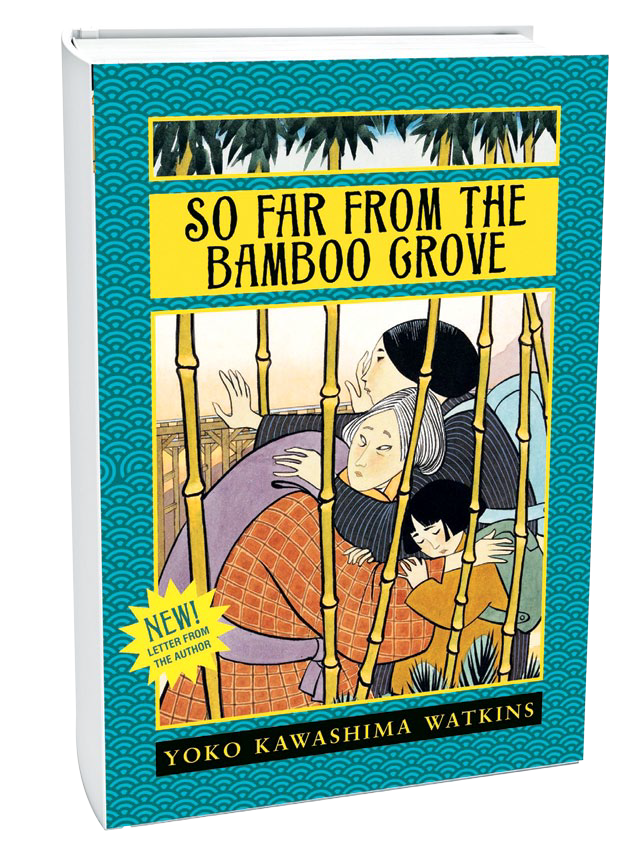
So Far from the Bamboo Grove is Yoko Kawashima Watkin’s autobiography which recount how as a family, they survived self-repatriation to Japan after being forced to uproot from Korea or face the tide of war turning against them. Published in 1986, it is Yoko’s memoirs as a then 11 year old girl during the very intense last years of World War ll. Her true story offers us gripping lessons on courage, strength, determination and sacrifice as exemplified by her family’s love and support for one another.
Fleeing their beloved bamboo grove home in Nanam, North Korea, the Kawashimas — mother and daughters Ko and Yoko — begin a brutal journey to Japan. Pulling together for mutual survival, they journey by train and on foot, hiding by day and continuing by night. By a remarkable combination of luck, wits and sheer grit, they escape terrifying gunfire, and survive diseases, poverty and near starvation to eventually arrive in Japan. Throughout the ordeal, the mother’s strength unites them even as both daughters are forced to ‘grow up’, which was timely, since the mother dies shortly after in Japan, and Ko, as the older of the two girls, has to assume the mantle of leadership while Yoko plays a supportive role.
Please Look After Mom – Shin Kyung-Sook
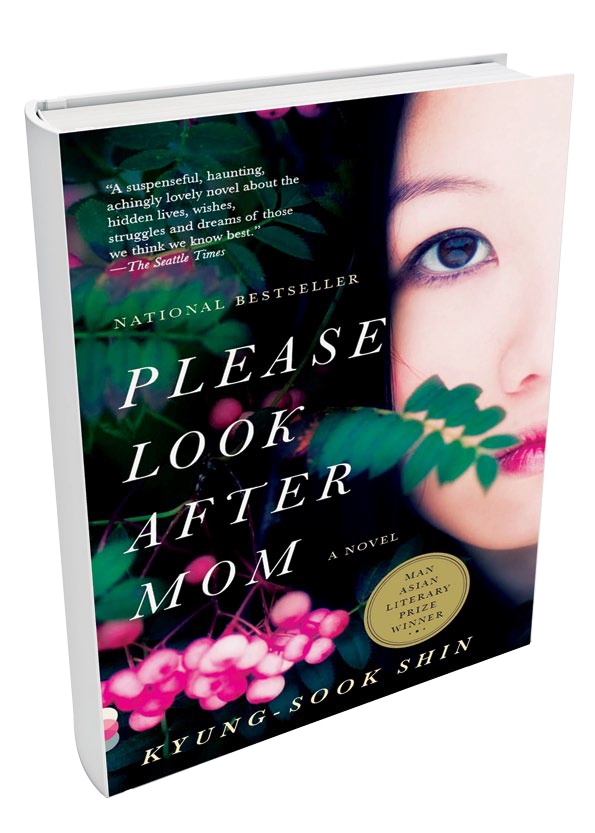
Employing the unusual style of second-person narrative perspectives, Please Look After Mom takes us on a touching ‘journey’ through the guilt, kinship, sacrifice and love of a Korean family. The 2009 Korean bestseller highlights the distance between rural mother and urbanised children being as much emotional as it is geographical; of how a mother’s unconditional love, often in action, and her single-minded maintenance of kinship are taken for granted. And as usual, it has to take a serious incident before the penny drops.
The illiterate and simple-minded Park So-nyo gets lost in a crowded Seoul train station and goes missing. While her husband, two sons and two daughters combine efforts and ideas to find her, the sobering effects of the situation lead them into selfreflection as they begin to recognise the magnitude of the family bonds quietly established and humbly sustained by So-nyo through her heart-wrenching sacrifices and love for them. Their memories and deep self-recriminations penitently underscore the sanctity of motherhood, and how bound they are by familial ties.

