
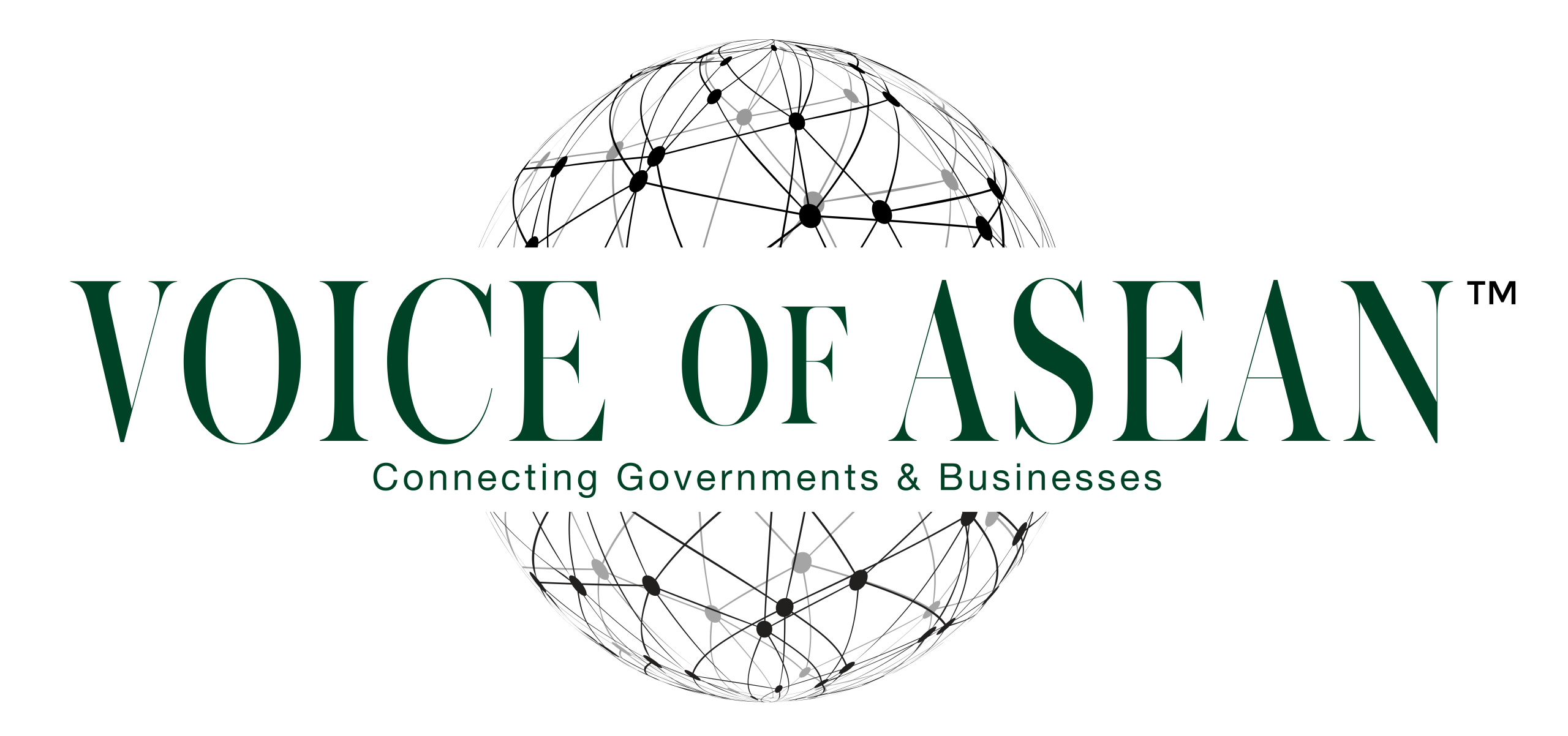
NANNING, China, Sept. 20, 2026 /PRNewswire/ — During the 23rd China-ASEAN Expo, the “Dual Carbon” Smart Energy Exhibition and the New Energy and Intelligent Connected Vehicle Exhibition opened in Nanning, offering a window into China’s growing green industries and cooperation with ASEAN.
Event venue
The 2026 China-ASEAN Power Cooperation and Development Forum followed under the theme “Pooling Smart Green Power, Connecting ASEAN.” Yang Kun, Executive Vice Chairman of the China Electricity Council (CEC), called for deeper cooperation in green energy, digital innovation, interconnection and people’s well-being. Guangxi Power Grid proposed working with Vietnam and other ASEAN countries to advance grid interconnection, standards cooperation and a development model of “R&D in Beijing, Shanghai and Guangzhou, integration in Guangxi, and application in ASEAN.” Lao PDR reported 29 China-Laos power projects, with a combined planned capacity of 13.9 million kilowatts.
Chinese energy companies showcased a broad range of technologies and solutions. China General Nuclear Power Corporation (CGN) presented a 1,000 MW photovoltaic project in Laos, while the Hualong One (HPR1000) and the Guohe One (CAP1400), two independently developed Gen III nuclear power technologies, were presented side by side. China Southern Power Grid and Guangxi Power Grid showcased new power system and near-zero-carbon demonstration zone solutions. CHN Energy presented large-scale “desert-gobi-wasteland” renewable energy bases, hydrogen and ammonia co-firing in coal-fired power plants, and CCUS solutions. China Huadian showcased smart production and management platforms for hydropower and new energy. A BeiDou-enabled “air-space-ground” integrated control platform for hydropower dams also highlighted advances in digital energy. According to the CEC, China and ASEAN have built 16 cross-border interconnected transmission lines rated at 110 kV and above. Cross-border electricity exchange has exceeded 75 billion kWh, more than 90 percent of which is green power.
The automotive sector featured new energy vehicles from SAIC-GM-Wuling, Dongfeng Liuzhou Motor and Guangxi Automobile Group, as well as power and energy-storage batteries from Gotion High-Tech. Chinese companies are also bringing charging and battery-swapping facilities, after-sales services and local supply chains to meet Southeast Asia’s needs for electric mobility and logistics.
For ASEAN and the RCEP, the focus is on whether cooperation can deliver reliable power, clean transportation, jobs and technology transfer. China-ASEAN energy and automotive supply chains are moving beyond simple trade toward joint system building, standards development and talent training, making the green transition a shared regional endeavor.

