
More than six months into the war that began with US and Israeli strikes on Iran on February 28. The impact on Singapore’s bunker market is becoming increasingly clear. The cost of refuelling a ship in Singapore may now offer a sharper gauge of how far the conflict has spread beyond the Gulf than the oil price alone.
According to data from the Ship & Bunker platform, the price of Singapore’s very low sulphur fuel oil (VLSFO) stood at approximately US$825 per tonne on September 1. It had risen about 76% since the start of the war, compared with 40% for Brent. This gap reflects tightening fuel-oil supply, not just higher crude prices. Refiners facing exceptionally strong demand for diesel and jet fuel have an incentive to prioritise those products, leaving less fuel oil for ships. Middle East fuel-oil exports also fell sharply during the conflict. Energy consultancy Energy Aspects forecasts a global fuel-oil deficit of around 218,000 barrels per day in the third quarter of 2026, compared with a marginal 6,000 bpd shortfall in the same quarter of 2025.
Why the Squeeze Is Not Over
The first pressure point is the Strait of Hormuz. Kpler (a global trade‑intelligence platform) tracking showed only seven commodity vessels passing through the strait on September 9, against a 10-day average of about 15 and well below pre-war traffic levels. While governments disagree over the exact volume of oil still moving through the waterway, the collapse in traffic illustrates the scale of the disruption.
The second pressure point is the loss of a key alternative route. Saudi Arabia temporarily shut its East-West pipeline after drone attacks launched from Iraq hit the infrastructure on September 11. The pipeline has been a critical route for moving Saudi crude to the Red Sea while Hormuz remains disrupted. Reuters reported on September 13 that the shutdown could threaten up to 4% of global oil supply if it is not resolved quickly.
The third is inventories. Singapore’s residual fuel-oil stocks stood at about 20.36 million barrels in the week to September 9, despite inventories rising 7% on average during the first part of September. This suggests that availability remains constrained even as the initial global supply squeeze has eased.
Why Singapore Sits at The Centre
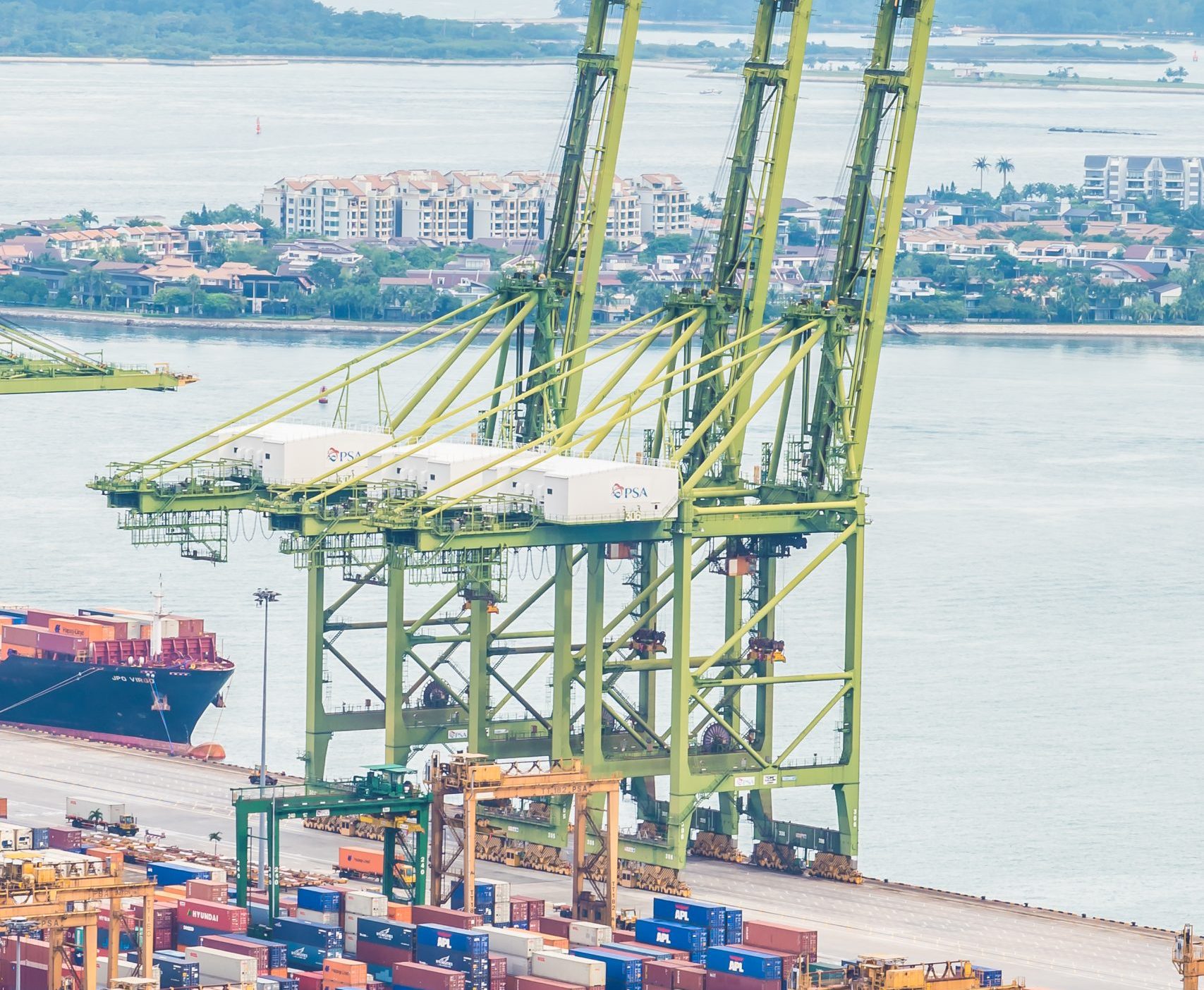
Singapore is not simply another oil market. It is the world’s largest bunkering hub and a crucial refuelling point on the Asia-Middle East-Europe trade routes. More than half of its roughly one-million-barrel-a-day fuel-oil demand is imported, making the city-state highly sensitive to changes in regional flows.
That exposure is increasingly translating into shipping costs. Vessels avoiding the Red Sea and Bab el-Mandeb must take longer routes around the Cape of Good Hope, consuming more fuel and spending more days at sea. The disruption therefore creates a self-reinforcing cycle: geopolitical risk lengthens voyages, longer voyages increase fuel consumption, and higher bunker prices raise the cost of transporting goods.
The Market Is Pricing in Relief-but Not Certainty
Interestingly, forward Singapore VLSFO prices still point towards eventual normalisation, with October and later contracts trading progressively below current levels. That suggests traders expect alternative supplies and rerouting to ease the squeeze over time.
But the latest escalation makes that assumption increasingly fragile. Brent has remained above US$100, while the Saudi pipeline shutdown and continued disruption around Hormuz and the Red Sea have narrowed the margin for error.
For Singapore, the question is therefore no longer simply whether there is enough marine fuel. It is whether elevated prices, thin buffers and disrupted routes become a permanent cost of Asian trade. What began as a regional energy shock is increasingly being repriced through the cost of moving goods-and Singapore’s bunker market may be the clearest barometer of just how much of that cost the global shipping industry will ultimately have to absorb.