

In collaboration with High Life: Living the Good Life, VOICE OF ASIA is proud to present timeless articles from the archives, reproduced digitally for your reading pleasure. Originally published in High Life Volume 1 in 2013, we present this story on the written works of Chinese diaspora that shook the world.
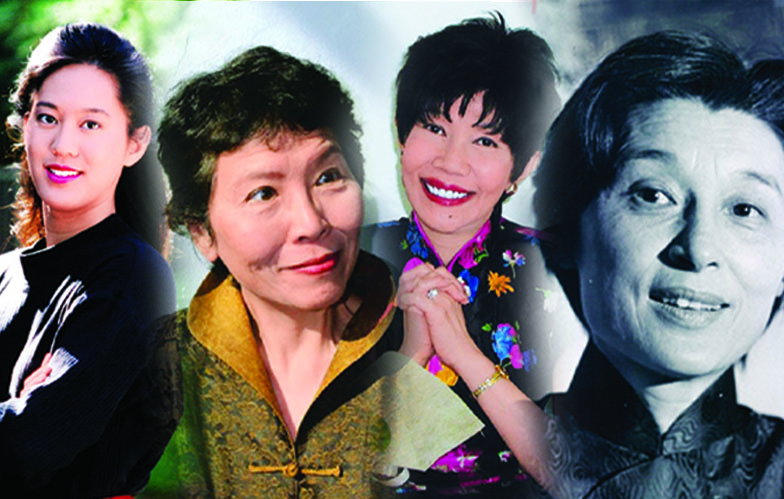
The criteria that makes a writer considered to be among the greats of all time never wavers. Courage and an ability to capture the truth, be it of prejudice, horror or humour is what readers relate to most. Just as in the West, the East has its powerhouses of the pen. In line with the Lunar New Year, HIGH Life looks into the story of four of the Chinese Diaspora’s brightest literary lights.
Iris Chang – An Eye For The Truth
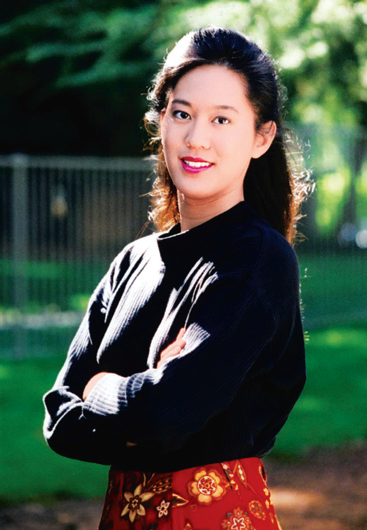
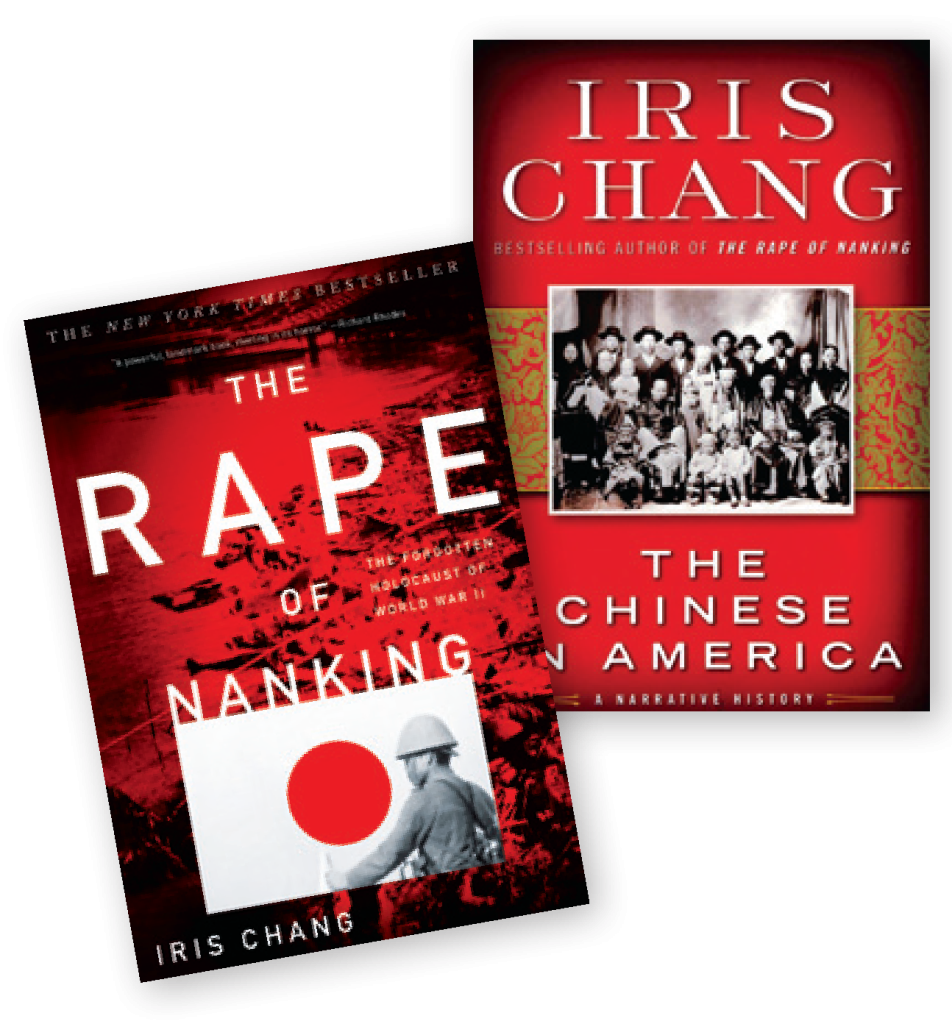
Some writers have meticulously fine grammar; they place every metaphor in the correct context and convey their point with technical grace. Iris Chang writes with power, and while her detractors have pedantically nit-picked over minute grammar slips, the fearless verity of her historical tour-de-force The Rape of Nanking cannot be denied.
This was the book that defined Chang’s life – for better and worse. That she should receive such acclaim for a body of work that took her fact-finding over thousands of miles is appropriate. The homework she put in and the painstaking research she conducted to compile an accurate account of gruesome Japanese war crimes is testament to her unwavering passion for the truth. Or mark that as ‘truth’ according to her critics, who deny “Asia’s version of the Holocaust,” and the wartime atrocities that took place.
Her life story is just as uncomfortable to read as her most famous literary work. Extreme bouts of depression led to her taking her own life at the age of 36 and the world lost an integral component in uncovering truth before she had reached full literary maturity. The Rape of Nanking placed her in great demand as a speaker, interview subject and, more broadly, as a spokesperson. It was through her writing that she gave a voice to others, to those that did not survive the atrocities, and ensured they would never be forgotten.
Please believe in the power of ‘one’. One person can make an enormous difference in the world. One person – actually one idea – can start a war, or end one, or subvert an entire power structure. One discovery can cure a disease or spawn a new technology to benefit or annihilate the human race. You as ONE individual can change millions of lives. Think big. Do not limit your vision and do not ever compromise your dreams or ideals.
Shirley Lim Geok-lin – The Great Escape
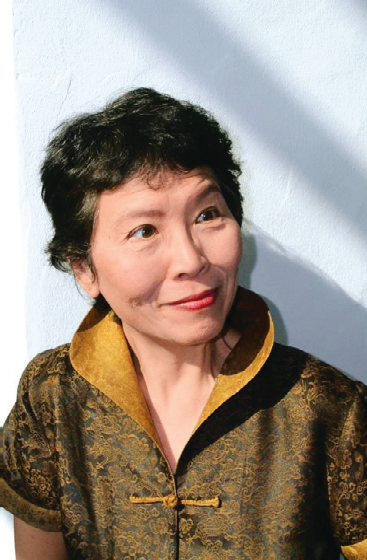
Though she is considered foremostly a poet, Shirley Lim can be described as a cross-genre author because of her successful forays into fiction and social criticism. This is an almost perfect symmetry of her life and work, wherein she strived to find a footing – and an identity – in a variety of cultures. It is the journey of this struggle and her slant on gaining acceptance that flows so beautifully from her pen to paper.
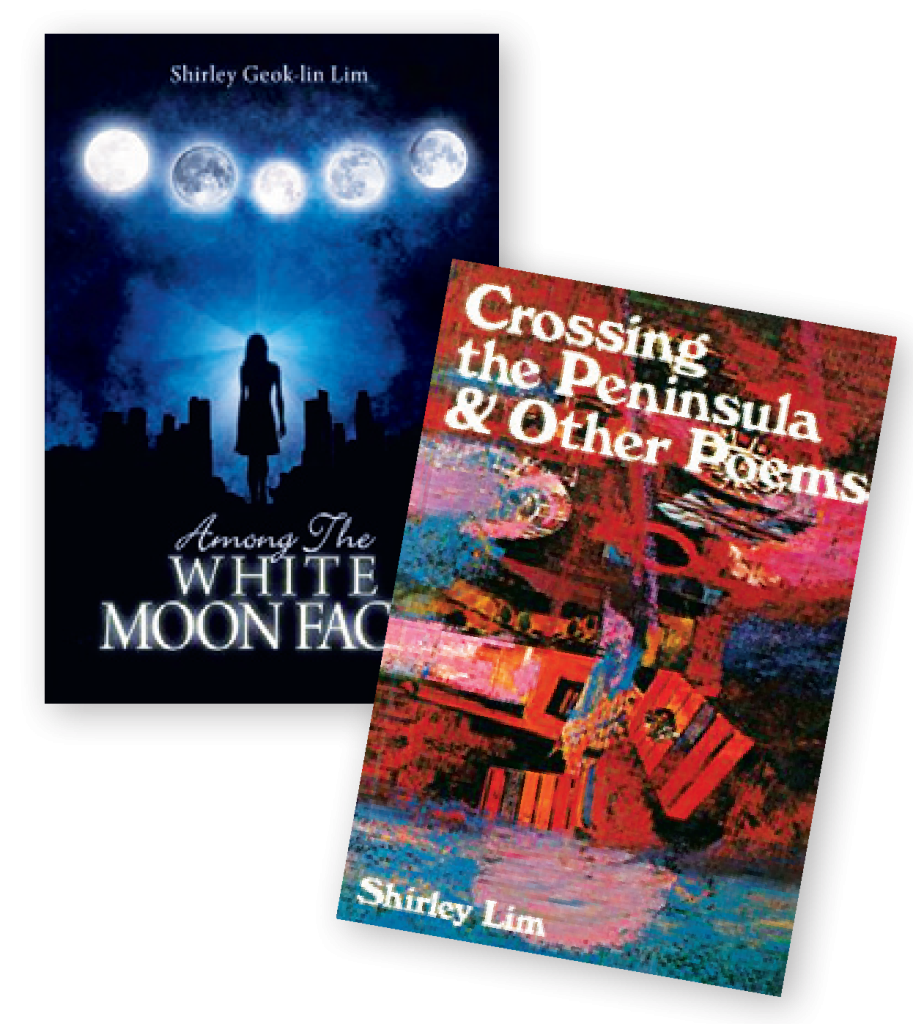
Born in Malaysia, Lim hails from Malacca yet has strong ties to America and holds a Ph.D in English and American Literature. Her first publication, Crossing the Peninsula is a collection of poems that garnered her critical acclaim and won the Commonwealth Poetry Prize in 1980 – making her the first Asian and also the first woman to receive the award. Her style has been described by Publishers Weekly as “both lyrical and precise whether they are of the heat, bougainvillea and crowds of her home in Malacca or the wintery climate, the packaged food, the self-conscious bohemianism of New England”, and this relationship to ‘everywoman’ is part of her appeal.
Rather than burn bridges in frustration at her negative experiences of society, Lim writes in a spirited way that gives hope to repair societies, not break them further. She may have ‘crossed the Peninsula’ in her first book, but her entire writing career has been about crossing the boundaries of culture, and using her experiences to generate positive energy.
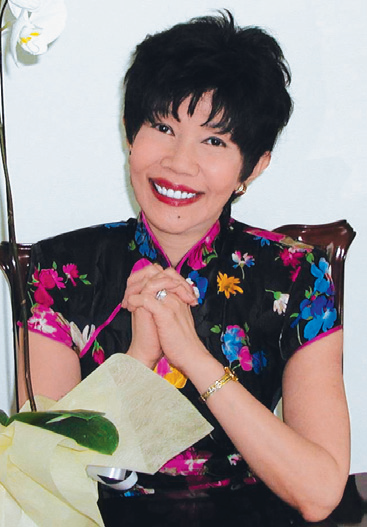
I started writing when I was about nine. I loved the idea of going into a space where there is language which is yours, which is completely private. You can curse someone you cannot curse otherwise, and you can create a space of beauty when all around you there is poverty and deprivation.
Catherine Lim – Out on a Lim
Lim has published nine collections of short stories, five novels, two poetry collections and numerous political commentaries to date. It was the latter that drew the ire of the establishment, as she attempted to prick the pomposity of the elite, but the former was where she made her literary name. Whatever medium she employs, it is Lim’s witty and incisive take on the world around us that is her hallmark, as she succinctly summarises the role of women in traditional Chinese society.
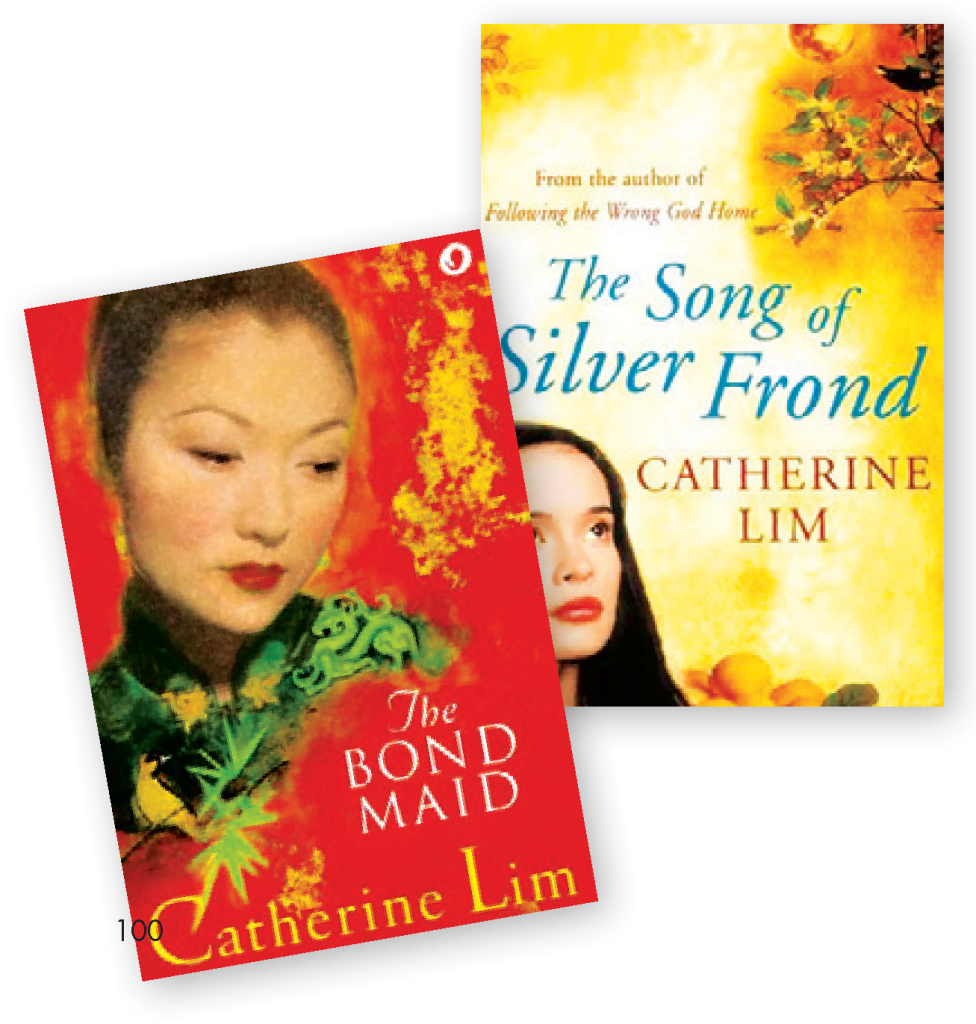
An active writer since the late-seventies, this Malaysian-born Singaporean has a catalogue of works, among the most notable, The Bondmaid – set in Singapore in the 1950’s, which focuses on the story of a slave taken into the House of Wu at the age of four, who forms a close bond with the heir of the household, and whose idyllic childhood soon turns into a life of struggle against tradition and tyranny. Lim uses language in a unique, meandering way to captivate the reader, and though the plotline sounds bleak, the skilful depiction of the mood makes it highly readable.
When the characters are fictional, many love her work. It is only when she writes about real-world political figures that her words become more tough-tackling – not that this has affected her legacy. They say that the truth hurts, but it has not hurt Catherine’s reception as an author. After all, she is considered the Doyenne of Singaporean Writers.
I write because I enjoy it. I write about things that interest me- human behaviour, human relationships, the not-so-pleasant abilities people possess to deceive one another, seek revenge, inflict pain. And also their capacity to bear it all as well.
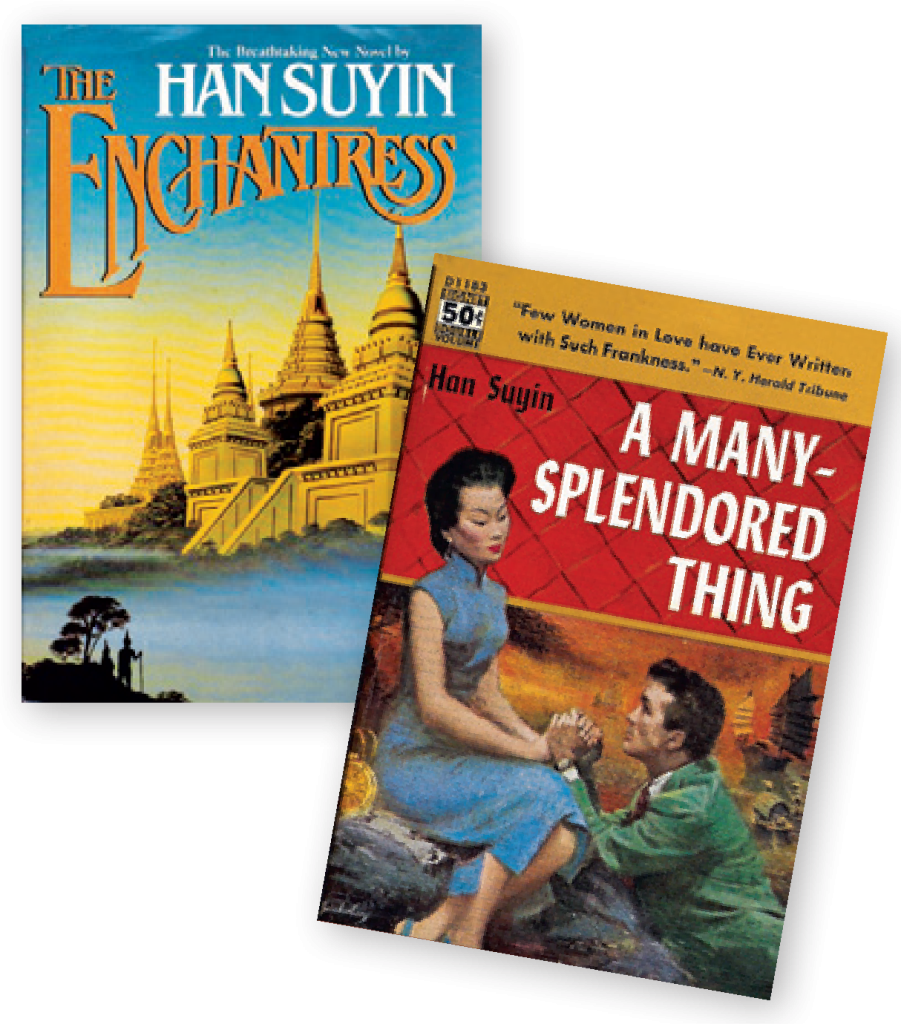
Han Suyin – In All Her Splendour
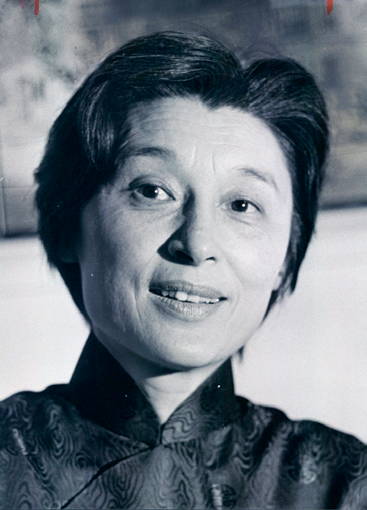
For many, being discriminated against on account of your parentage can be devastating but Han Suyin used the prejudice she encountered by having a Chinese father and a Belgian mother as the backbone of her writing. A qualified Doctor at a time when educated Asian women were rarities, and a Eurasian straddling both the East and the West, it is no surprise that cultural conflict forms the main theme of her work. The contrasts and contradictions between her life and her work were many, not least of all her decision to write a book that is seemingly sympathetic to British Malaysia’s communist insurgents, while her husband Leon Comber was a senior officer in the Special Branch.
Suyin is most famous for her novel A Many Splendored Thing which was widely acclaimed in the USA and even made it to the silver screen of Hollywood. Telling the story of prejudice faced in the love between a married correspondent and a Eurasian doctor, the basis of the torrid tale can be found in her own experiences, making it a fictionalised yet autobiographical account.
Now 95 years old and living in Switzerland, one would hope that Suyin has found some kind of harmony in a world that is becoming increasingly smaller. Her novels serve as a testament to a time when understanding other cultures and banishing prejudices was a whole lot harder.
I make a big effort to forget what I did in the past. I don’t want to have a past. I want only now and tomorrow.

