

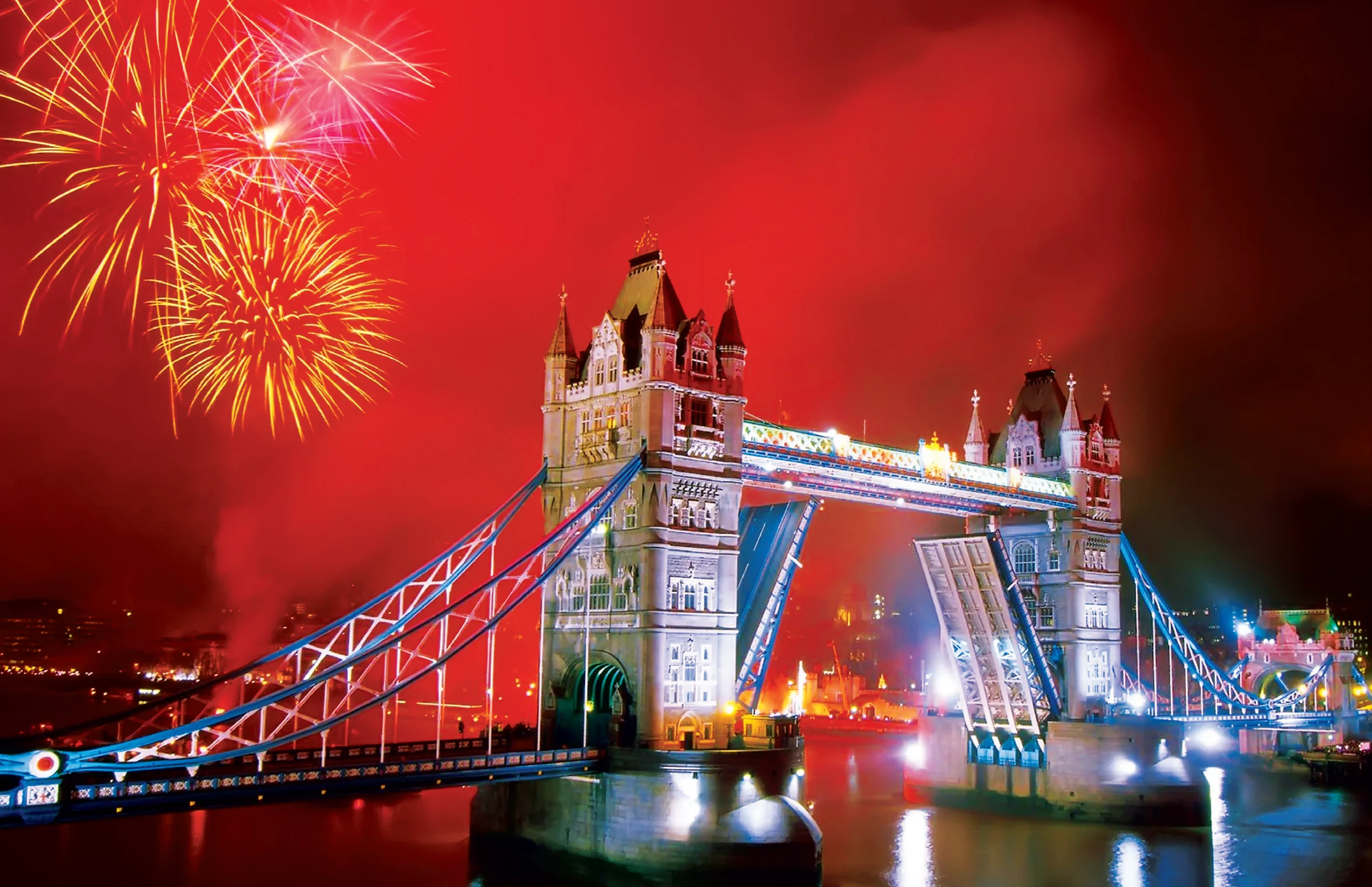
In collaboration with Convergence, VOICE OF ASIA is proud to present timeless articles from the archives, reproduced digitally for your reading pleasure. Originally published in Convergence Volume 18 in 2013, we present this story on Great Britain and the major cities of the countries that make up the United Kingdom.
Comprised of the countries England, Scotland and Wales, Great Britain may be one sovereign state but has within it an abundance of cities, each with its own distinct characteristics and personality. A thriving focal point of business, ‘G.B’ draws the eyes of the world when it comes to sport, gastronomy, fashion, popular culture, and, of course, finance and business. With London hosting the upcoming European Champions League football final – an event that commands an audience of 300 million worldwide – there is no better time for Convergence to explore five of the best cities for business.
The Capital of Culture
London, England
What is there to write about London that has not already been illustrated and characterised by so many skilled journalists, poets, novelists, economists, artists or bards? This great city is not only the capital of Great Britain but – fittingly as it is home to the Royal Family – has worn many crowns as the ‘capital of culture’, ‘capital of fashion’, a capital for sport with world-class venues, the capital for business and one of the finance capitals of europe.
To merely compile the heavyweight institutions, influential tycoons and iconic architecture that call ‘London Town’ home is an exhaustive task in itself and testament to its allure and eternal opportunity – its streets ‘paved with gold’ as the saying goes. The headquarters of a diverse range of companies – from the accountancy giants PriceWaterHouse Coopers to Rupert Murdoch’s media behemoth bskyb to petrol powerhouse Royal Dutch shell – are found in London.
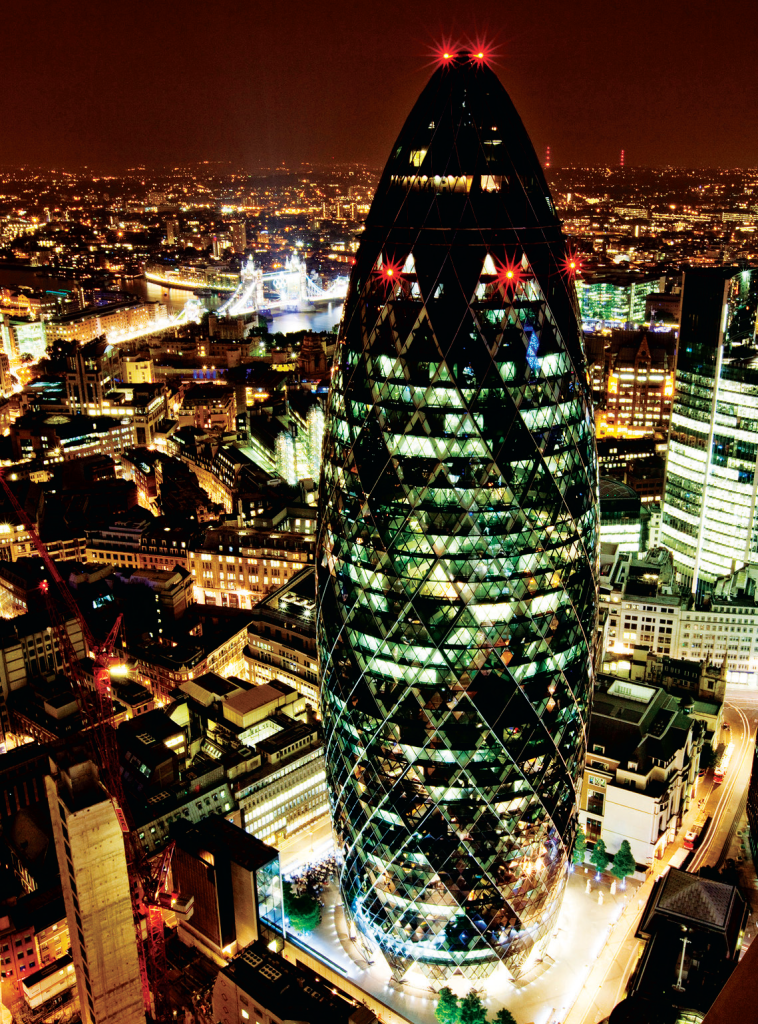
Nestled in the city’s financial quarter you will find the world’s largest banks such as HSBC and the architectural marvel of the Gherkin, a glittering building that stands tall in the business centre of London. The Stock Exchange and all the major trading houses, along with the headquarters of major banks and the Bank of England are here. It is known simply as ‘the city’. And, of course, there is Canary Wharf to the West, a major commercial hub that represents the height of exclusivity and power.
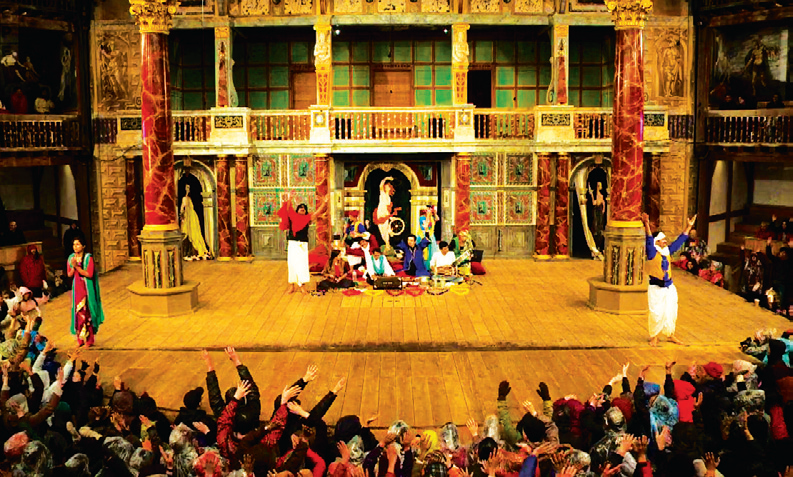
However it is not merely theatre in the boardroom that plays out in London, with The Shakespeare Theatre in Stratford and the ‘West End’ venues for the best stage-dramas. London Fashion Week is one of the hottest tickets on the style circuit and London represents a pilgrimage of sorts for many, from fashionistas flocking to Oxford Street, football fans ‘going to Wembley’ and Buckingham Palace for those riveted by the Royal Family. Also a magnet for education excellence, London is close to revered and respected university rivals Oxford and Cambridge, as well as the elite secondary school of Eton. The London Eye stands tall, looking over all the excitement below and the River Thames winds its way through the city past the many historical landmarks that line its banks.
From a business standpoint, the best approach to gauging the economic layout in London is to ask, ‘where is the city and its economy today?’ After hosting the 2012 Olympic Games that was a roaring success both on and off the track, the influx of tourism and international attention breathed new life – and pride – back into britain and its business community.
One of the Olympic focuses was to regenerate the city not only for the Games themselves, but to leave a lasting legacy that would endure beyond the main event, through the London Development Agency (LDA). There has been a GBP2.3 billion (us$3.57 billion) upsurge in revenue thanks to the influence of tourism and regeneration has improved many sectors such as communication, retail and even transport – the latter saw GBP6.5 billion (us$10.08 billion) pumped into the system, which delivered improvements to the iconic 402km Tube line, Docklands Light Railway (DLR), train services and cycling infrastructure. Of course, the recent addition of Terminal 5 to one of Europe’s busiest airports, Heathrow, was a much needed upgrade to cope with greater tourism numbers.
The capital is being wired with 4G technology, in line with the vision of becoming a ‘Capital of Tech’ – and the seeds for this development have already been sown. The district of ‘Tech City’, north of the banking district, has attracted an array of firms utilising the irresistible appearance and prospects of this ‘new’ London. Cisco systems, Vodafone, Intel, Facebook, Amazon and newest arrival Google signify that in 2013 London, cutting edge innovation sits comfortably alongside the established. A city steeped in history is letting the world know that it is intent on moving with the times, opening the door to the future and with it, the door to new, vibrant business.
The Welsh Guard
Cardiff, Wales
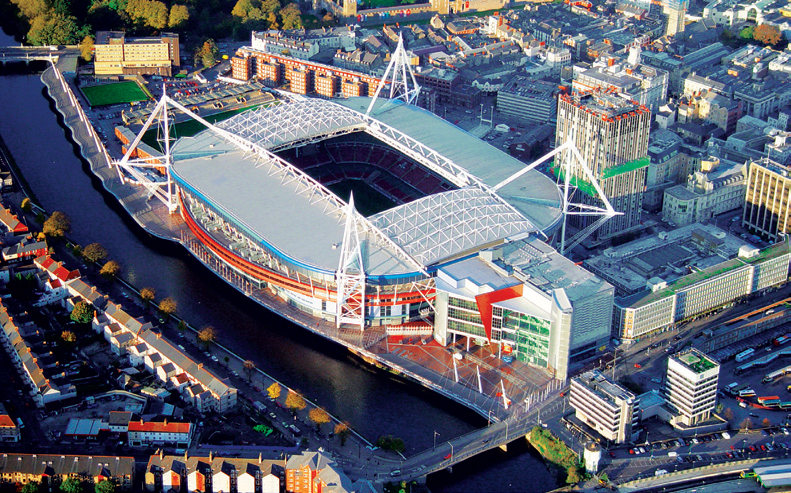
The capital city of Wales is fast-becoming the capital of cool, with a GBP1.8 billion (US$2.8 billion) bay development in one of Europe’s largest waterfront regeneration projects adding to the electric vibe of the city. A scintillating night-life and entertainment infrastructure encompasses sport, gastronomy and the arts, the jewel in the crown being the 72,000-seater Millennium Stadium, the home of Welsh rugby and sporting events galore.
The attraction of Cardiff is ‘growth’ – in both a personal and a business sense, as the city evolves into one of the must-live places in Europe. A crucial element of this is the property prices compared to London. in the centre of Cardiff, a similar property is a third of the price of those in London and 20% of the cost of a home in West End London. Refreshingly, this does not make the city a packed conurbation of bricks and mortar – Cardiff is a city of parks and has more green space per person than any other UK city.
Both business and education thrive here. Deemed one of the Top 10 conference destinations in the UK, the city was also awarded the distinction of being designated the world’s first ‘Fair Trade Capital.’ The city also made its mark on another ‘top’ list – Cardiff University is considered one of the Top 100 Universities in the world, with a whopping 40,000 undergraduates and students hailing from over 100 countries. The Welsh capital is also ‘home’ to the International Data Centre of communications giant British Telecom (BT). This is where the company chose to set-up their 21st Century network investment, with Cardiff benefiting from a fully converged IP telecommunications network and ICT infrastructure. ‘Cardiff 2030’ looks to the future, and is a scheme instigated by the Cardiff Business Partnership to shape the capital and plug into the city’s wealth-creating community and make it a more competitive metropolis. As their mission statement says, ‘a dynamic capital city is an essential ingredient of a successful nation. The success of Cardiff is therefore critical to the success of Wales’.
Its relatively new status as capital of Wales – deemed so in 1955 – reflects its appeal as a capital city that is youthful, vibrant and cosmopolitan. Another UK destination known for its castles and landmarks, Cardiff over the past decade has been completely rejuvenated, and like the dragon on the national flag itself, is roaring with success and pride.
Football’s Coming Home
European Champions League Final 2013
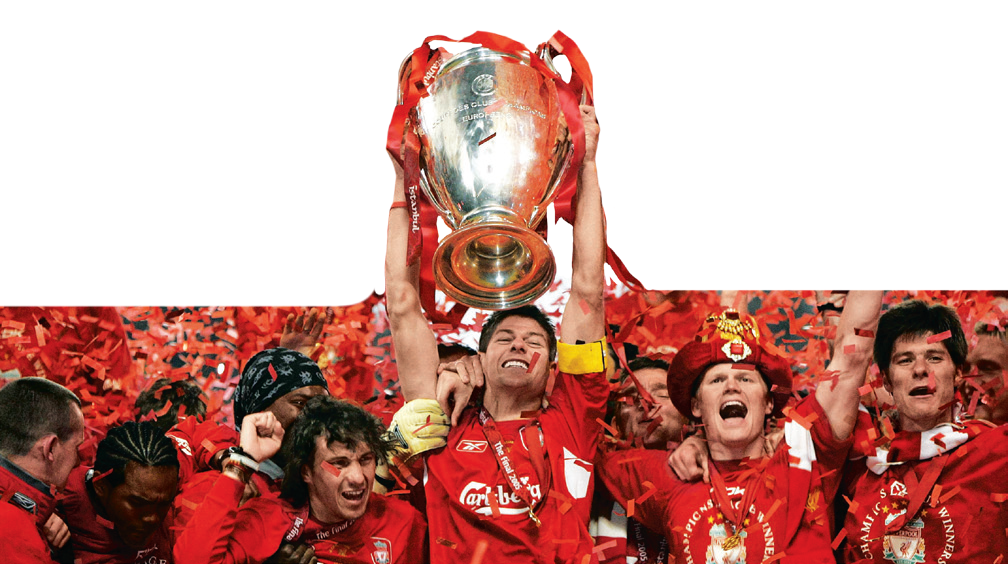
Wembley stadium is the iconic home of football and a stadium that remains the hallowed turf for existing teams and aspiring footballers worldwide. For the second time in three years this historic venue will play host to the showpiece event of the European football association (UEFA) and their Champions League, which pits the two teams who emerge from a gruelling qualification process to reach the final – vying for the chance to be named champions of Europe.
A Striking Success
This club competition runs alongside the domestic league calendars of top European footballing nations. The 32-team round-robin Group Stage takes place to determine the ‘last 16’ knockout teams, followed by Quarter and Semi-finals which then produce the finalists. Qualification has, historically, been reserved only for the league-winning clubs from the previous league seasons – hence the ‘Champions’ League tag – but increasing TV revenue and demand has seen qualification expanded to second and third placed teams. This is a tournament containing the best European footballers, and a winner’s medal is the most revered accolade on offer in club football. should a place in the history books not be enough incentive for players, then club owners will be motivating their employees as they salivate over the GBP8.6 million (US$13.3 million) winner’s prize and the stream of revenue generated from TV rights and attendance – for example Barcelona FC, winners in 2010-11, earned GBP44 million (US$59 million), GBP25.8 million (US$38 million) of which was prize money with the remainder collected from revenue pooling.
Join the Club
The football purist, of course, is sent into a frenzy not from the spiralling sums of money thrown around the industry but by the tantalising prospect of watching the best players in the world. All the household team names are here – perennial English juggernaut Manchester United, and one-time victors and former ‘Lisbon Lions’ of Scotland, Celtic, have already been dumped out at the expense of the galacticos of Spain’s Real Madrid, and the old lady of Italy, Juventus, respectively. German powerhouses Bayern Munich, total football specialists Barcelona, the often-underrated Porto of Portugal, and Le Magnifique Paris Saint-Germain of France, remain in the competition to name a few. Current holders and England’s own Chelsea F.C crashed out at the Group Stage of this year’s competition – the earliest exit in history of any defending champion – leaving the door open for a new victor in 2012-13. The remaining teams can hardly be considered novices though – Real Madrid holds the record with 9 crowns, A.C Milan of Italy hover close with 7 wins. Bayern and Barcelona have 4 titles each, and Manchester United have 3 winning-tournament runs to their name.
The Business of Football
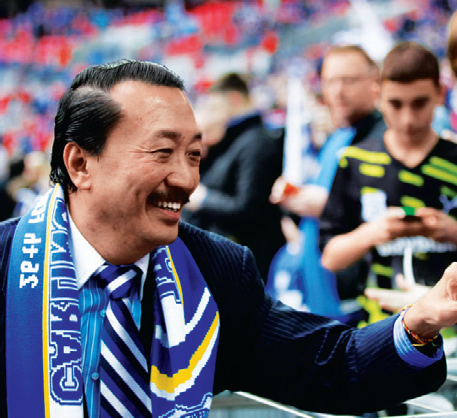
While it is a multi-billion pound industry watched the world over, football is also one of the UK’s biggest ‘investment’ economies. Foreign owners invest their money into making-over teams with one goal in mind – to sit at Europe’s top table of football competition. Manchester City, already eliminated this year, is backed by Abu Dhabi billionaire Sheikh Mansour, who will watch this Final with envious eyes after missing out, despite plunging GBP930 million (US$143 million) in the team since taking over. The Champions League is also undoubtedly the aim of two prominent Malaysian businessmen who have invested in English Football. Air Asia boss Tony Fernandes is at the reins of Queens Park Rangers and fellow Malaysian, Cardiff City owner Vincent Tan, will be hoping his team, as league leaders in the second-tier of England, does not implode down the stretch with promotion to the lucrative Premier League seemingly imminent…
Feeling Bullish
Birmingham, England
England’s ‘second city’ of Birmingham is used to being in the centre of the action – literally and geographically. Located in the Midlands, this halfway-point of England is within a 4-hour travel time of 98% of the UK’s consumer and business market, a transport hub that has been a prominent point of commerce since the 1200s. Dubbed ‘the city of a thousand trades’ it was the focal point of the industrial revolution in Britain, and was relied upon for its efficient network of canals – there are now, of course, faster ways to zip into the area, but the point remains – Birmingham has centuries of hosting business.
Birmingham International Airport provides an easy gateway to fly from Europe, and the M6 Toll Road is accessible from North, South, East and West, with a GBP600 million (US$932 million) transformation of the UK’s busiest rail hub, New Street Station. These are just a few ways to find oneself in a metropolis that has had to reinvent itself over the years, once a centre-point of the car industry but now focussing on tourism and trade.
Two of the most popular venues for business are the NEC (National Exhibition Centre) which plays host to over 160 exhibitions and 2.5 million visitors a year and the impressive NIA (National Indoor Arena), which hosts athletics grand prix, concerts, business conferences and exhibitions. The place to visit is the iconic ‘Bullring’, a centre steeped in trading history and given a multi-million pound revamp as a venue for over 160 shops including well-known stores such as Selfridges and Debenhams – all situated in the glamorous heart of Birmingham. Foreign investors and overseas visitors come here and many stay. This melting pot of different cultures is evidenced by Birmingham being earmarked as the first city in Great Britain to have an ethnic majority – the heartbeat of diversity in the heart of the nation.
Scottish Success Story
Glasgow, Scotland
When Glasgow was awarded the distinction of being host to the Commonwealth Games 2014, the effort towards reinvention that the city had been undertaking was obviously recognised. As with many sporting events, this is another reason to upgrade the city for this and future generations – indeed Glasgow has been home to some of the UK’s most successful regeneration projects.
For example the 25-year trans-formation plan of the Clyde Waterfront represents billions of pounds of public and private investment, focusing on six key areas to transform the 20km river corridor. A scheme loaded with potential, its aim is to create more than 50,000 jobs along with thousands of new homes and commercial accommodation, seeking to ‘connect disadvantaged communities to new economic opportunities, encourage the growth of modern industries such as digital media and financial services, while also helping to re-energise traditional riverside industries such as shipbuilding, and develop new transport links which will be at the heart of the Clyde’s rebirth’.
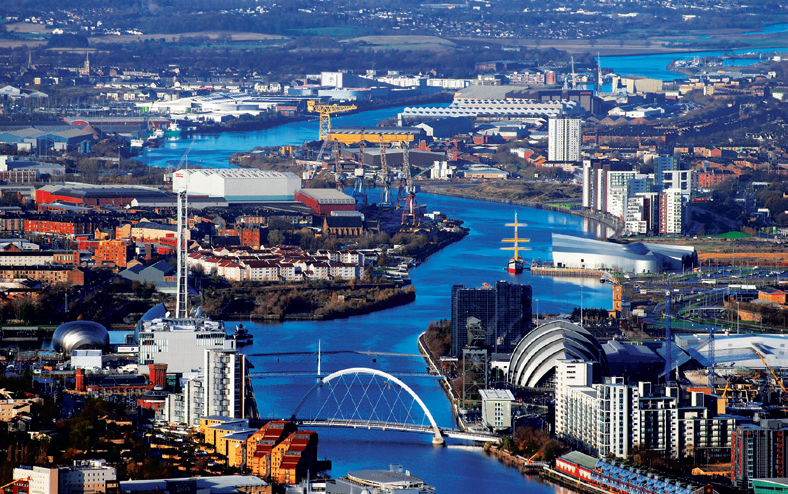
Business is of course about people, and Glasgow’s skilled labour pool – combined with robust operating costs – means the city has largely withstood the turmoil of the current economic climate, and the investment of millions of pounds toward growing the city’s business base has attracted creativity in all industry sectors – all in a city awarded the title of European Capital of Culture in 2000.
And there is culture indeed. Take in the arts at the renowned Burrell Collection in Pollok Park. Witness music history being made at the iconic Barrowlands. Take a stroll along the street of Merchant City and the more upmarket West End, or sample one of the many eateries that have heralded a gastronomic renaissance in a café scene more akin to a Spanish boulevard, yet retaining that Scottish charm of course. This city in the West Coast of Scotland has certainly shed its reputation of being grey and dull. it is alive and kicking, truly the place to Glas-go.
The Mighty ‘wee City
Edinburgh, Scotland
While known for its spectacular New Year’s fireworks displays, it is not only on the 1st of January that Edinburgh bursts into life. Adopting the slogan ‘Inspiring Capital’, the Edinburgh City Region packs a punch as a business location, with a powerful concentration of private, stockmarket-listed and public sector employers within a relatively compact area.
‘Inspiring’ is the right term to use thanks to Edinburgh’s ‘knowledge-economy’, with its legacy for innovation carried by half of the city region’s workforce who are employed in knowledge-intensive jobs including computing, communications, scientific research and other creative industries. More than half of total Scottish research activity is undertaken in Edinburgh, garnering the city another catchy nickname, ‘Ideopolis’.
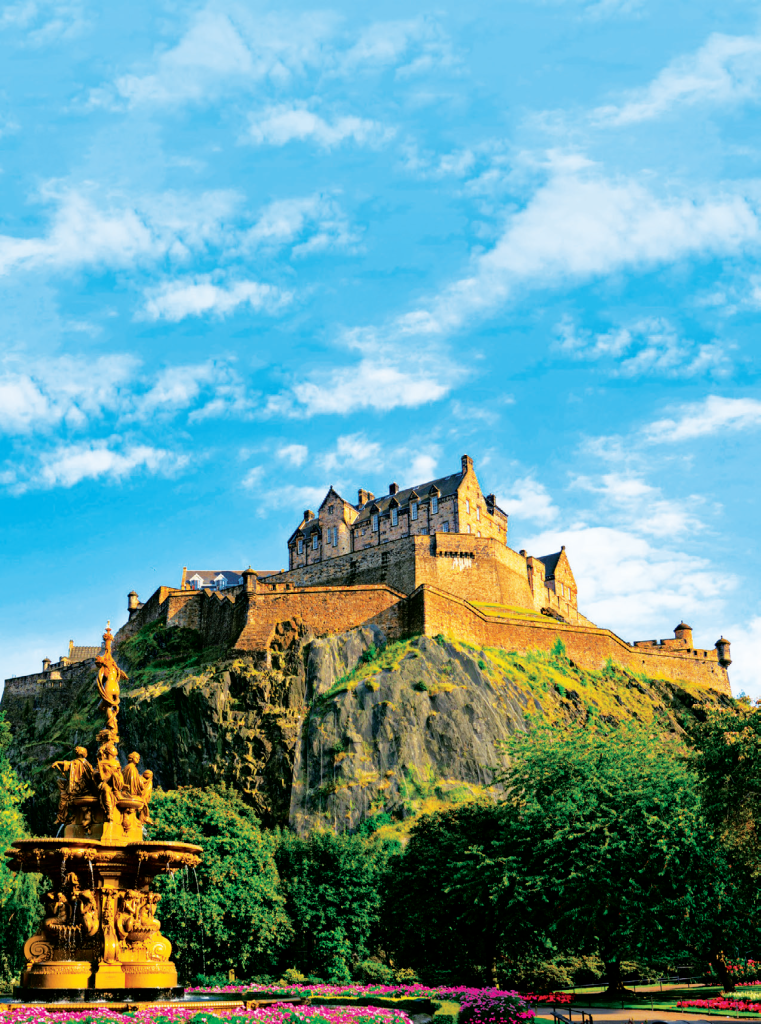
Edinburgh has a top-notch University, strong financial services industry, and the EICC, a highly rated convention centre situated in the heart of the city and a short walk from a fantastic array of hotels. Not only that, the city has excellent living standards – meet anyone who has ever spent time in this capital of Scotland and they will enthuse about their living experience, with the hustle and bustle of the city in contrast with the fresh air and beauty of the rolling countryside nearby. it is a World Heritage site, with the National Museum of Scotland, Edinburgh Castle, the Palace of Holyroodhouse and the National Portrait Gallery sitting quietly alongside livelier happenings such as the Edinburgh Festival and a ‘New Town’ area hosting a collection of stylish, contemporary bars with late-night opening hours. This city is not just an ‘Ideopolis.’ it is an Ideal-opolis, for both living and working.
Be it the financial foundations of London, the youth and education of Cardiff, the tourism and transport hotspot of Birmingham, the potential and progress of Glasgow or the inspiration and quality of life in Edinburgh, Great Britain is primed for business, education and entertainment. This self-sufficient isle in Europe has a history that made noise on a global scale and still has the potential to be a force to be reckoned with in the global arena – the perfect environment to inspire an investment, in any sector. Great Britain has many facets that indeed make it ‘great’, encouraging anyone to explore the ‘Best of British’.

