

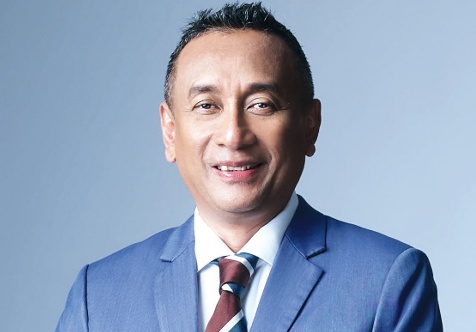
“We have all the technology developed nations have, and the expertise to use them, here in IJN. The fact we have received many internationally recognised accreditations proves that we are truly capable of world-class care.”
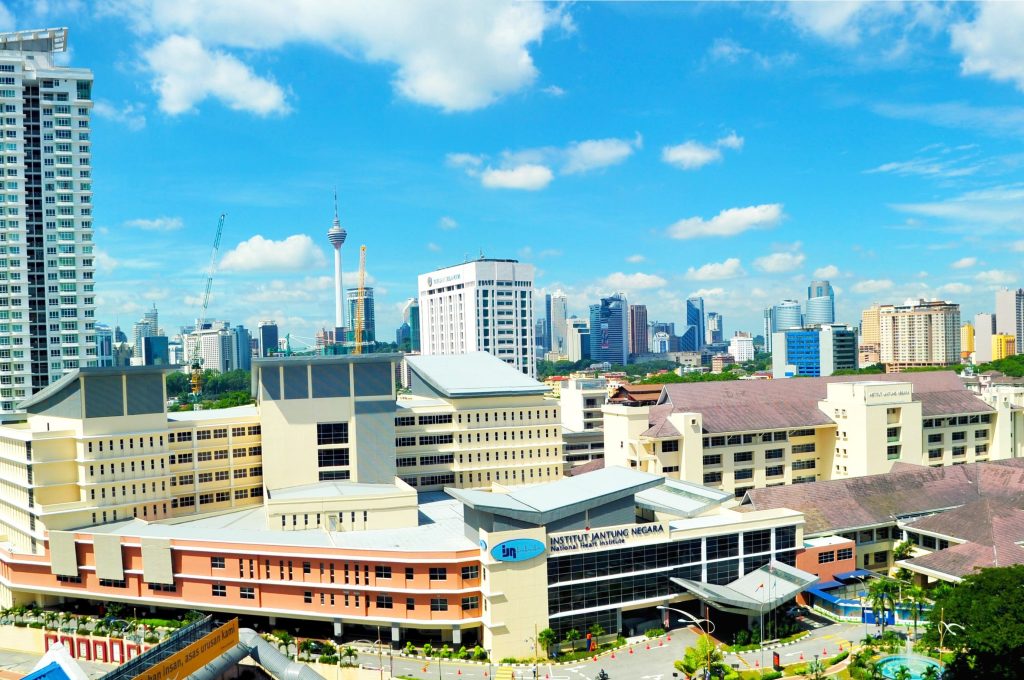
Since its establishment in 1992, Institut Jantung Negara (IJN) has been focused on a vision to become a global centre of excellence in integrated cardiovascular and thoracic care. This dedication has seen them become renowned both locally and regionally for their quality of care, and the milestones they have achieved.
At IJN, you will see common threads of what drives every single member of the IJN family towards achieving their mission. It is commitment. It is innovation. And it starts with having a strong, firm, and visionary leader.
Enter Prof. Dato’ Sri Dr. Ezani, Group Chief Executive Officer of IJN Group, a position he was appointed to in September 2024. That said, he has been with IJN since his postgraduate years, effectively having grown alongside IJN as they went from strength to strength. He is soft-spoken, but steady and very articulate, sharing his thoughts and ambitions for IJN’s future with quiet excitement.
This is how International Business Review finds him in his office: a consummate professional who speaks from the heart, looking into the future landscape of healthcare.
A Lifelong Journey
As an institution, IJN has always had a medical practitioner at the helm. This makes them stand out from other healthcare establishments, whose leadership are not necessarily healthcare professionals themselves. Prof. Dato’ Sri Dr. Ezani continues in this ‘tradition’, rising through the ranks to be where he is today.

Introduction to Prof. Dato’ Sri Dr. Ezani
MBBS, FRCS, Fellowship in Transplantation, AM
Group CEO, & Senior Consultant Cardiothoracic Surgeon
Memberships:
- Malaysian Association for Thoracic and Cardiovascular Surgery (MATCVS)
- Association of Thoracic and Cardiovascular Surgeons of Asia (ATCSA)
- Malaysian Society of Transplantation (MST)
- National Heart Association of Malaysia
- Former Professor of Cardiothoracic Surgery, Allianz University College of Medical Science (AUCMS)
“IJN had been the only cardiovascular hospital in Malaysia for so long,” he shares, as he reflects on his decision to join IJN. “Considering one of my main interests is regarding heart failure, and surgery for the failing heart, I was drawn to IJN and its vision.”
“I see our work here as transformative, helping our patients return to a more active lifestyle, whether through transplantation or with mechanical heart systems. IJN was the first in the region to develop a mechanical heart system. We’re seeing more patients suffering from heart problems over time, and we are developing procedures to help them live better, healthier lives.”
“Minimally invasive surgery is another of my main interests. Making smaller incisions can allow for faster recovery times for our patients. I am one of the leading practitioners in this field, and this field is not easy – requiring sophisticated skillsets and mindsets.”
Prior to his appointment as Group CEO of IJN, Prof. Dato’ Sri Dr. Ezani was the Senior Consultant Cardiothoracic Surgeon and Head of Special and Expansion Projects at IJN. He has been credited as an instrumental figure in pioneering advanced surgical procedures, and expanding IJN’s healthcare services.
“I consider myself to have grown alongside IJN. I see how I have evolved with the institution, both as a person and in my technical skills. I am grateful for this opportunity to be able to lead IJN to the next level.”
To Prof. Dato’ Sri Dr. Ezani, the road ahead is clear.
Achieving the Titular Gold Standard
IJN has an undeniable legacy in being a leading healthcare provider. In their pursuit of all-round excellence, they have begun a concerted push into other areas, to truly become a force for good to the people and the world. They are fiercely dedicated and committed to Environmental, Social and Governance (ESG) standards.
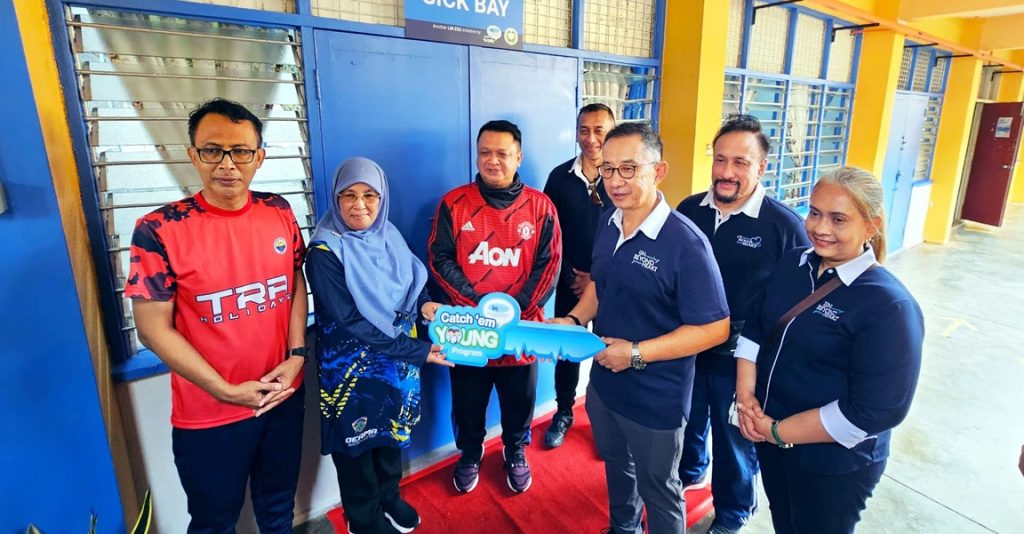
This is reflected in the publication of ‘The Gold Standard: The 1st EMGS Certified Hospital in Malaysia’ book. Enshrined in its pages are the details and timeline of the establishment’s directed measures to positively impact lives in every way possible.

“Hospitals are one of the biggest contributors to greenhouse gas emissions,” Prof. Dato’ Sri Dr. Ezani explains. “So it is important to us that we reduce our carbon footprint, to make a better world for everyone.”
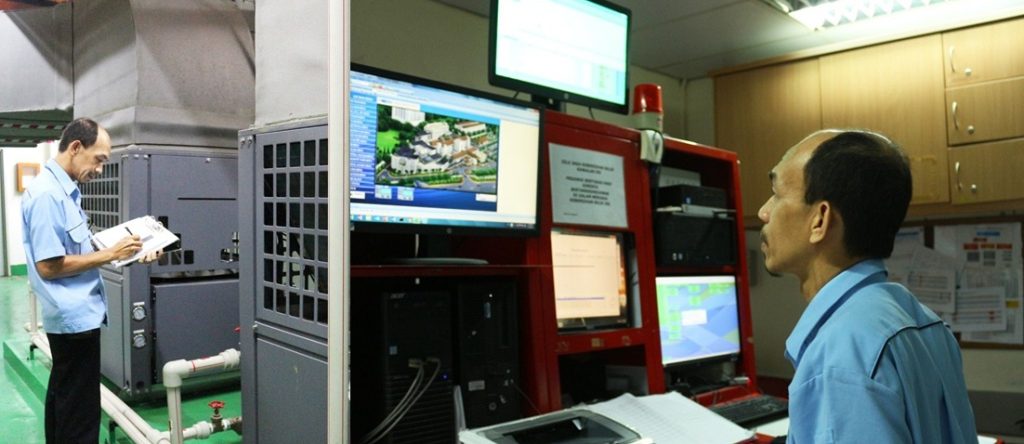
These panels are capable of producing 400,000kWh of electricity per year, accounting for around 2 percent of IJN’s energy consumption. This is a small, yet significant step towards reducing reliance on coal and gas-fired energy.
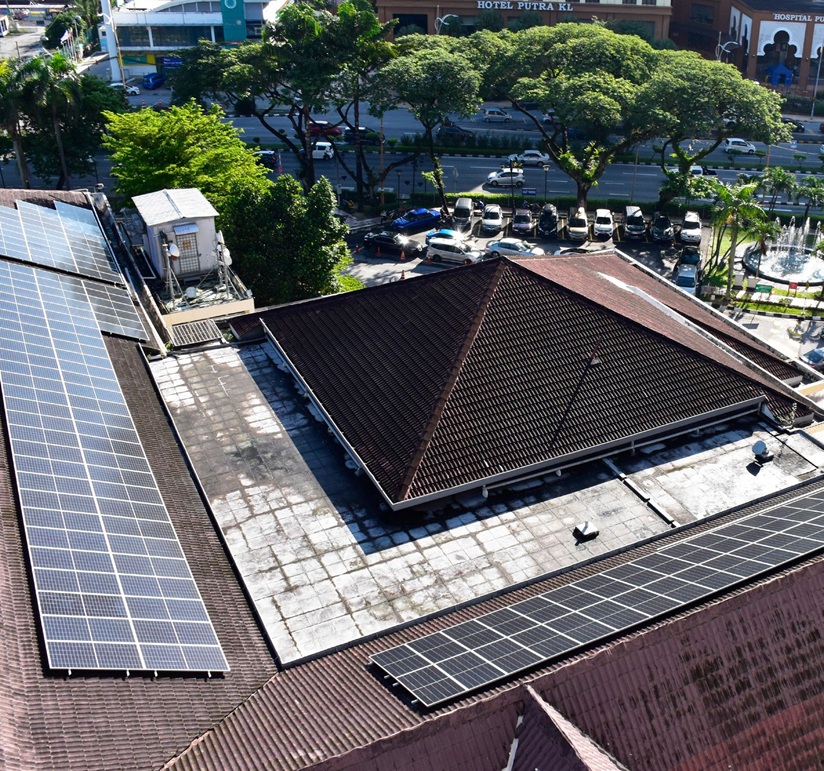
There’s no denying IJN does excellent work – “transforming lives” as Prof. Dato’ Sri Dr. Ezani describes. In doing so, IJN’s systems consume a lot of resources, and so clever solutions are sought to counter it.

How does IJN solve a conumdrum of having to ensure that their hallways and common areas are constantly lit while managing their electricity consumption? Simple: by using sensors that turn off the lights when no one is present.
These Earth Hero characters are commissioned artwork that you can find posted throughout the IJN building, meant to inspire patients, visitors, and staff to conserve energy.

One of the biggest initiatives IJN has undertaken is in installing a solar panel array. Completed in December 2020, it has so far reduced electrical bills by RM15,000 a month. The array will be expanded over the next two years, to hit a target of 4-5% energy to come from renewable resources.
Alongside renewable energy, IJN is also ensuring their equipment is upgraded and maintained accordingly to be as efficient as possible. Seemingly minor things such as a switch to LED lighting and installation of sensors to turn off lights when no one is present, do add up to larger overall savings in utility costs and energy efficiency.
This has culminated in IJN getting certified with the 3-Star Energy Management Gold Standard rating from the ASEAN Energy Management Scheme. The certification affirms the effectiveness of IJN’s energy management efforts, becoming the first hospital in Malaysia to be recognised as such.
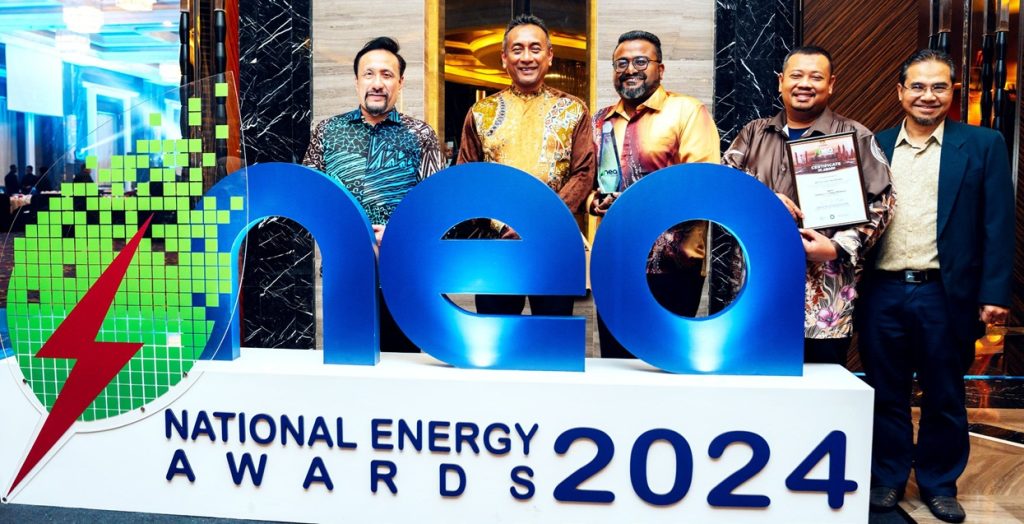
From left to right, Dato’ Akmal Arief Mohamed Fauzi, Deputy Group CEO; Prof. Dato’ Sri Mohamed Ezani Md. Taib, Group CEO; Rajanen Jeyabalan, Electrical Engineer; Mustaffa Bajuri, Manager Facilities Management Department; and Mohd Amran Shafie, General Manager Hospital Support Services Division.
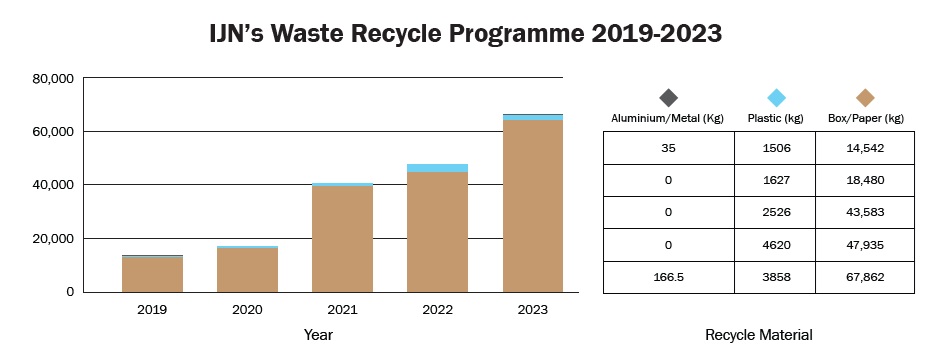
Prof. Dato’ Sri Dr. Ezani also highlights how IJN has moved to using rainwater for the toilets, and for landscaping purposes. “There’s the matter of waste, like food waste and clinical waste. We have recently begun a garden, where we use our food waste as compost instead of throwing them out.”

Recycling bins such as these are located throughout IJN, where staff and visitors can donate their unwanted clothing, which would then be repurposed for other uses, thus saving on landfill space.
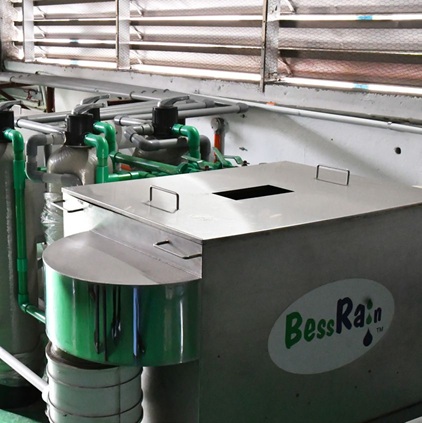
IJN’s rainwater harvesting system has a collective capacity of 72,000 litres. In tandem with a 12,000 litre RO Waste Water treatment system, IJN is using 84,000 litres of reclaimed water for toilets and landscaping, doing their part to conserve water.
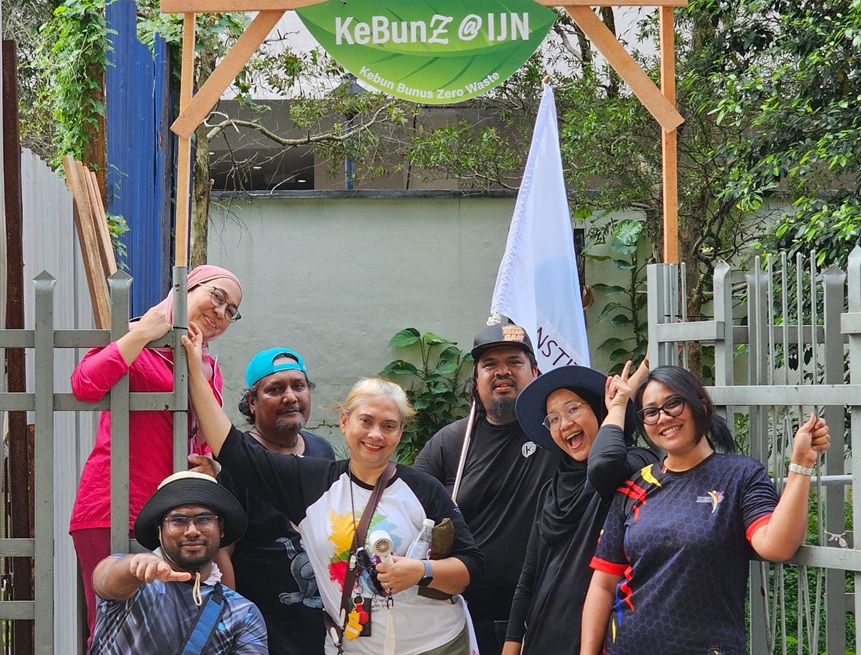
IJN staff pose at the entrance to the KebunZ@IJN. This is IJN’s newest initiative to reduce the amount of food waste the hospital generates – a whopping 230kg daily, which excludes the cafeteria and F&B outlets! Not only is the waste being put to good use, IJN could also become more self-sustaining by growing and harvesting their own crops.
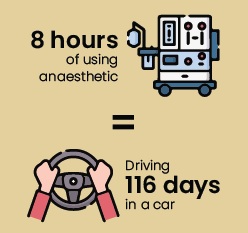
Another critical aspect of reducing IJN’s impact on the environment lies in the hospital’s Operating Theatres (OTs), due to the use of anaesthetics. Nitrous oxide is a gas that can remain in the atmosphere for 114 years, and is 289 times more potent than carbon dioxide. IJN has since switched to desflurane, a gas with only a 10 year lifespan, and has also overall reduced the amount of gas used from 4 litres to 400 millilitres. The combination of a different gas mix and more advanced, efficient technology greatly reduces IJN’s environmental impact.
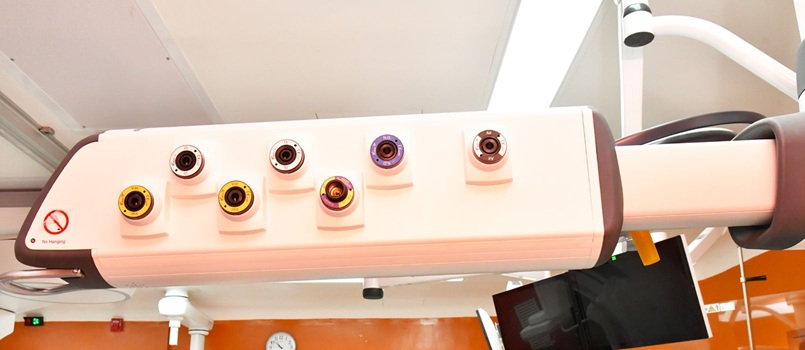

“We have workshops to identify potential problem areas, and a lot of it has involved the OTs. The changes made to the mix and supply of anaesthetic gas to patients has been a major breakthrough. Now, we are looking at our usage of disposable materials, to consider returning to reusable cloth on a case-by-case basis.”
It is impossible to not use Inhalation Anaesthetic Agents (IAAs). The only other solution is to increase their efficiency, and thereby reduce the amount of gas that escapes into the atmosphere. 95% of the gas given during surgeries is not metabolised by the patient, but are instead released back into the atmosphere. In fact, patients only require 1% of the gas, while the rest goes into the air as Waste Anaesthetic Gases (WAGs).
Healthcare for Everyone
“IJN has to go beyond our current premises at Jalan Tun Razak. We alone are too small to cater for the whole country. Before that, though, we still have room to expand here,” Prof. Dato’ Sri Dr. Ezani says. “We will have a new building to increase our capacity by around 150 new beds, alongside new operating theatres, cardiac labs, clinics, and so forth.”
He also elaborates further on various collaborations so that IJN can further extend their reach. “We are looking at partnering with other hospitals,” he says. While it could make sense to establish branch hospitals, that would no doubt be a much longer-term project. This is because the new premises must have the world-class facilities people have come to expect from IJN.

First launched in 2007, the IJN Mobile Clinics have enabled IJN’s doctors and nurses to go out and provide key heart care services to those living in outlying areas and who may not be able to travel to IJN.
“We have recently entered into a collaboration with Putra Specialist Hospital in Malacca. This is a great opportunity as they serve not just northern Johor, Malacca and Negeri Sembilan, but also Sumatra, Indonesia. We’re also considering partnerships like that in Penang, for the northern regions, and Kuantan for Peninsular Malaysia’s east coast.”
“Sabah, too, offers great opportunities, as they can serve the southern Philippines. We should be going beyond ‘just’ care,” he emphasises. “We need to go where we can make a meaningful impact towards the well-being of the people.”
“Significantly enough, as Malaysia is taking on the ASEAN Chairmanship in 2025, we have begun cementing stronger partnerships with hospitals in the region,” he continues. “Myanmar is a country that needs support especially in paediatric cardiology and paediatric cardiac surgery. They have also requested our assistance to establish a hospital there, geared towards treatment for congenital heart disease. We have likewise welcomed their trainees here before.”
“Just a few days ago, we received a delegation from Indonesia to discuss training programmes. We have had our doctors provide their expertise outside of the region, like to the United States. If we are to constantly improve our level of care, this knowledge sharing is vital. We have all the technology that the modern Western world has, and the talent to use them.”
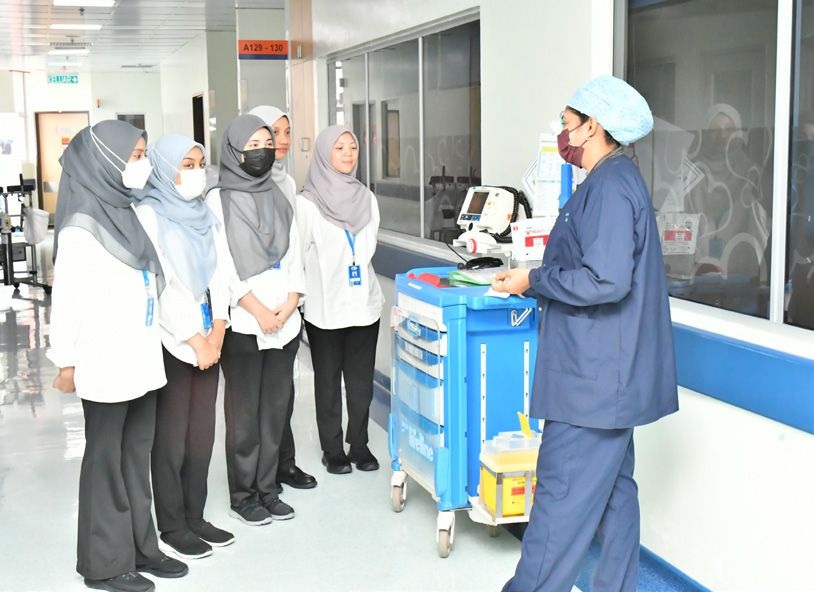
Through IJN College, IJN is able to secure a sustainable
pool of talent. Students are taken on practical learning tours of the premises to understand the workings of a leading cardiovascular and thoracic care centre.
“Social media has given us this opportunity to be noticed worldwide so much easier than before. I share stories about procedures I have done, the initiatives that we do, and they can be read by anyone. I am heartened by the fact IJN’s capabilities are clearly recognised both regionally and globally.”
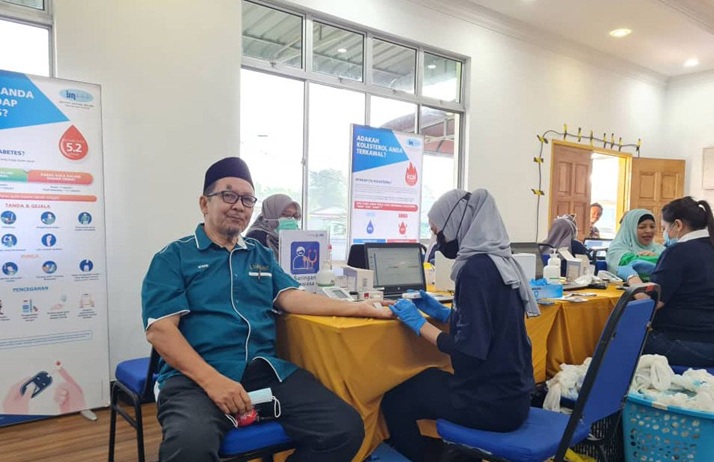
This world-class care is meant for everyone, a point Prof. Dato’ Sri Dr. Ezani is sure to stress on when he elaborates further on one of IJN’s major social initiatives, the IJN Mobile Clinic. “We have reached 174 rural areas, and screened more than 60,000 people for ailments like hypertension, cholesterol, and diabetes. We can have all the talent and advanced technology in the world, but it will mean nothing if that means neglecting the underserved and less fortunate.”
“During one of these screenings, I had to encourage the person to get a proper health check-up, as I found some abnormal readings. He did so reluctantly, and it was discovered he had a 99% blockage in a heart vessel. It would have caused almost certain death if he had a heart attack. Fortunately, it was detected early and he had treatment.”

IJN’s social initiatives are not limited to healthcare related
ones. Here, the team is providing bags of food, medicine, and clothing to help in flood relief efforts.
“It is unfortunate that as we become more developed, the people are also becoming sicker. They are much more stressed, they are not eating well, and so on. It is our duty and obligation to help the people, especially when we are able to provide the highest standards of care in the world. This is what it means to do outreach to me.”

IJN is committed to making healthcare as accessible as possible. Roadshows and pop-up events give communities the opportunity to get screenings and health checks for free, or at a discount. There is also the Medicine Home Delivery initiative, which delivers prescriptions to a patient’s doorstep.
Through the IJN Foundation – of which IJN is their largest, most consistent contributor – the less privileged will also be assured access to healthcare outside of the IJN Mobile Clinics.
All these initiatives further underscores Prof. Dato’ Sri Dr. Ezani’s drive to ensure everyone can live their best life. Leading a healthy life is not a privilege – it is a right.
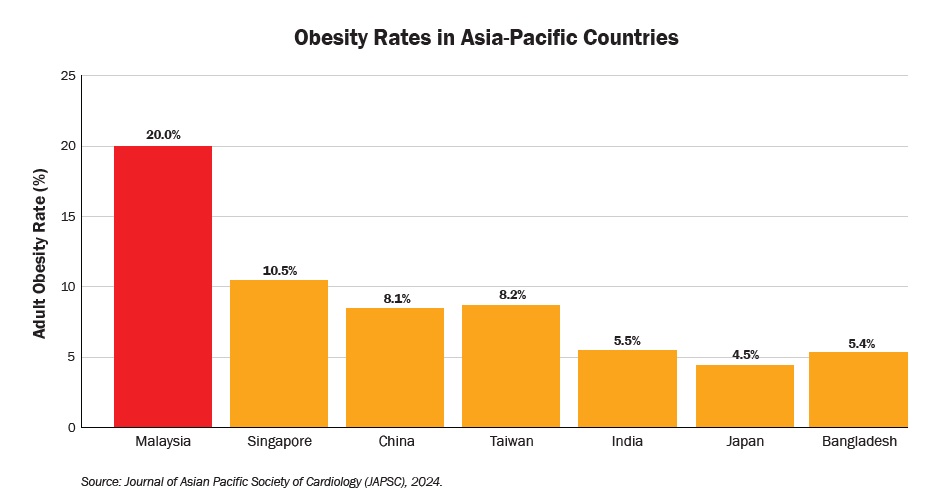
[ Infographic: Show Asia Pacific’s obesity rate
Show it as an example of a ‘modern pandemic’, with Malaysia having the highest obesity rate in the region]
Marvels of Modern Medicine
IJN has built over decades to become the bastion of quality healthcare they are now known to be. They have an impressive track record of firsts not just in Malaysia, but also in Asia.
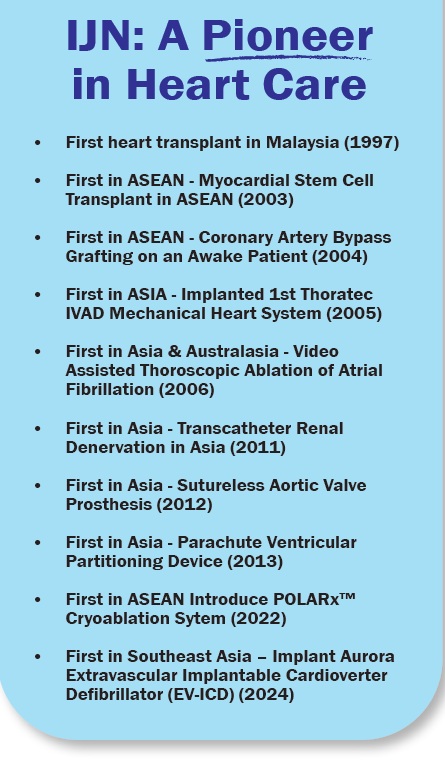
He shares how IJN’s specialists have gone overseas not only for knowledge sharing, but also to give talks. More importantly, their research and findings have been published and shared with the medical industry at large. “IJN being selected for collaborative efforts with organisations such as the American Association of Thoracic Surgery would only be a boon for us and Malaysia. It will inform the world that the quality of our care is truly world class.”
With Malaysia pushing to become a medical tourism hub, IJN is a prime frontrunner to solidify the country’s presence on the global stage. “We can offer the best healthcare at a comparatively lower cost. We most definitely have the potential, and IJN is more than up to the task.”
He has plenty of ambition to take IJN further internationally, through strategic partnerships with other medical institutions. “Such partnerships will involve much deeper knowledge sharing, not limited to assisting on a temporary basis. Digitalisation has made deeper international partnerships much more feasible. In fact, I believe that the future of IJN lies in that – technology, and Artificial Intelligence (AI).”
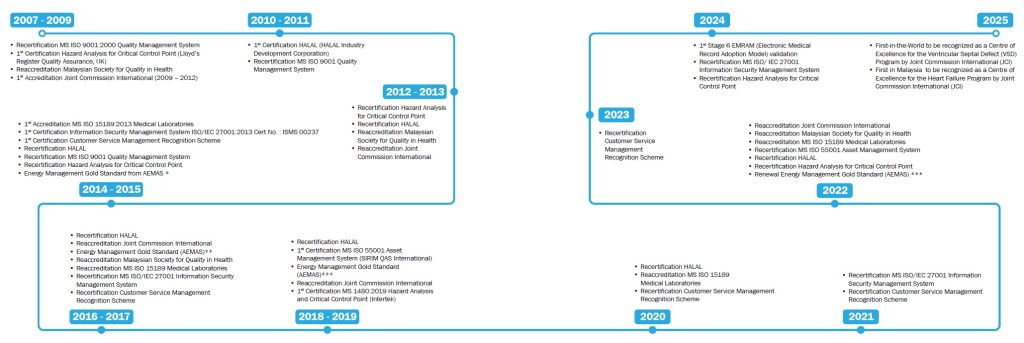
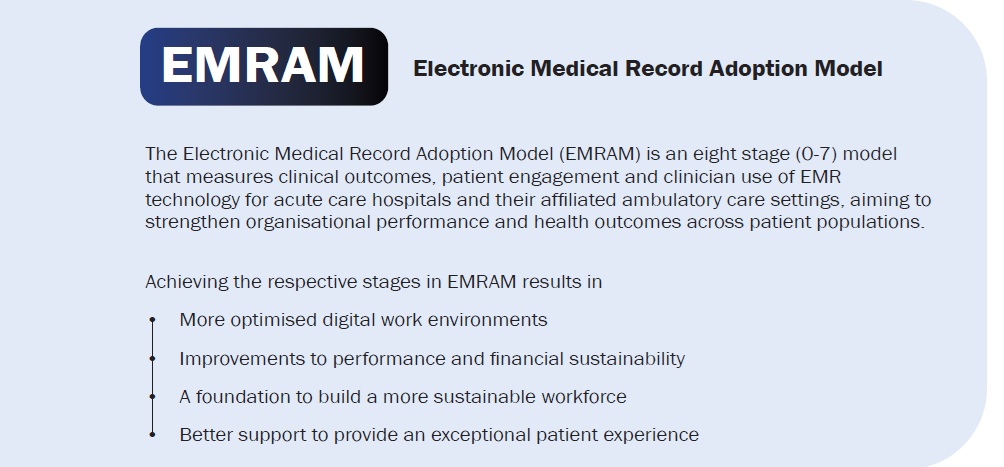
“When it comes to documentation and patient information, we were much like other hospitals. There was so much paper and reports. If a patient was to get treatment outside of IJN, they would likely need to register all over again. That is why I am proud to say we are the first hospital in Malaysia to have the Stage 6 EMRAM (Electronic Medical Record Adoption Model) validation. Our processes have been streamlined, and in turn, our patients can spend less time on unnecessary busy work and receive treatment more quickly and efficiently.”
“AI is a natural next step to increase the delivery speed of vital care. At present, we are exploring its usage to make predictive diagnoses, and have our specialists go over the data to prescribe the right treatment. We are also looking at AI’s potential to detect lung cancer, for example. I am hoping to have AI’s scope expand to more areas in IJN.”
Prevention is Better than Cure
“All that said, I believe we should nurture healthy habits from the start,” Prof. Dato’ Sri Dr. Ezani muses. “Yes, we can offer you the best treatment, but prevention is still best. For example, we have established a risk reduction clinic here at IJN, to help our patients manage and reduce their risk of comorbid diseases.”
“Getting healthy is simple. You need to exercise. Do not overindulge. Do not smoke, or vape. As it happens, these are basic health fundamentals for a reason.”
He speaks from the heart, the weight of his experience evident in his words. As the head – and heart – of IJN, he has a critical role to play in the coming years to set the establishment’s future direction. It looks set to be a bright one, as they continue to pave the way for medical advancement in Malaysia.
At IJN, the journey there is as vital as the destination. For the past 30 over years, they have constantly adapted to meeting healthcare needs, using the industry’s latest technological advancements. They will continue to do so, without losing sight of their ultimate goal.
Under the leadership of Prof. Dato’ Sri Dr. Ezani, we can envision a future where he has successfully established a robust healthcare network of IJN partners, providing the IJN world-class standard of care no matter where you are. All this to be delivered based on the strictest of ESG standards, towards making the world a better place to live in, for a healthier society.
The legacy of IJN will no doubt stand the test of time as they continue to trailblaze their way in healthcare innovations, themselves becoming the standard that all other healthcare providers aspire to reach.
Prof. Dato’ Sri Dr. Ezani’s wish and vision for IJN to become a beacon of hope and positive impact is simple, yet so vital. It is that single-minded focus that will take IJN into the next phase in its mission of becoming the global cardiovascular and thoracic care centre it is always meant to be.

