


In collaboration with High Life: Living the Good Life, VOICE OF ASIA is proud to present timeless articles from the archives, reproduced digitally for your reading pleasure. Originally published in High Life Volume 3 in 2015, we we take a look at the inventions that changed how we lived for the millennia to come.
In its crudest definition, the act of living can be described as merely surviving to see another day. However, blessed with superior analytical and cognitive potentials, the human race has transcended above this basic depiction of life and adopted a different approach to its existence. It has always strived to push itself forward, deep into the boundaries of its capacity in the perpetual pursuit of a better standard of living. At the core of this search is mankind’s ability to come up with new inventions that make life more pleasant. From clothes to the wheel, early man started the ball rolling in the eternal quest for the ultimate comforts in living. In the following pages, we spotlight those marvellous inventions that have left a legacy through time, enhancing lives in the past, present and future.
Communication
Hold the Phone
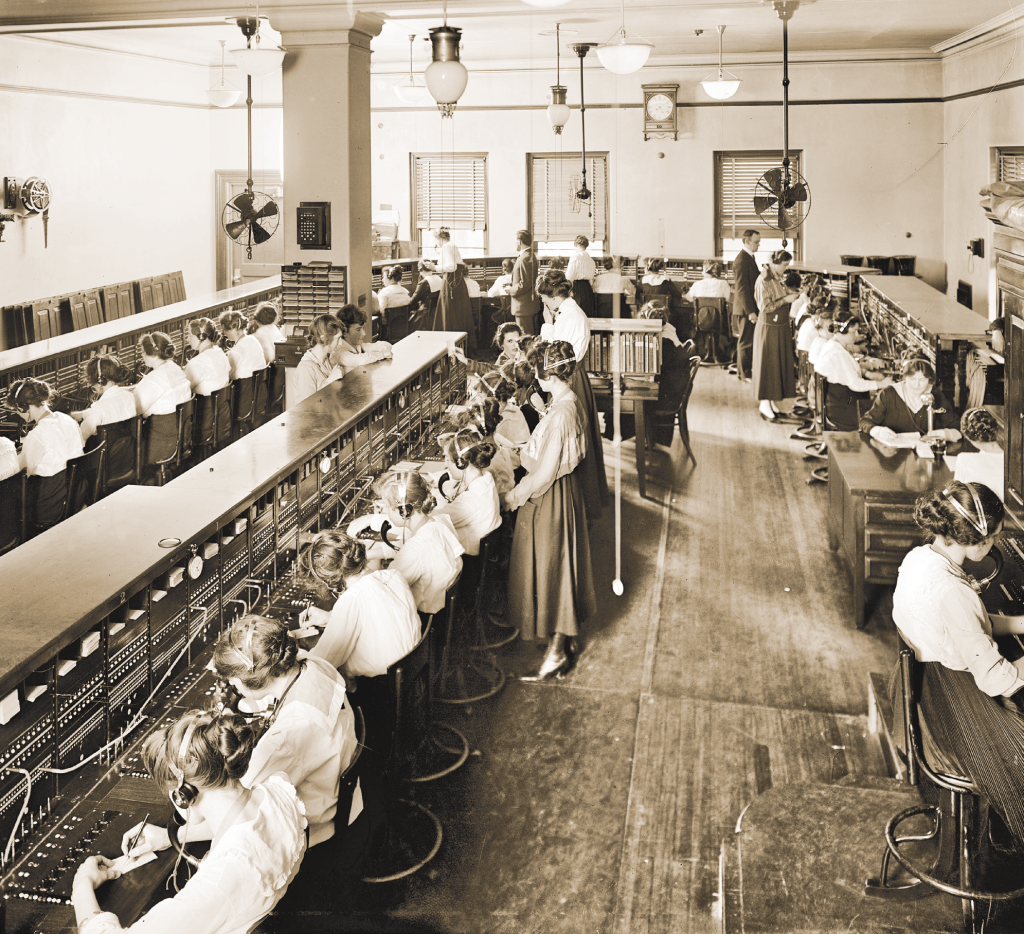
In man’s early days, communication was rather constrained, slowly progressing from vis-à-vis verbal and non-verbal conversations, to long range correspondence using smoke signals and drums. Later on, with the advent of languages and writing, letters were used to convey messages to a recipient far away, only to be delivered weeks, sometimes months later.
Then, in the 19th century, the development of telecommunication technology introduced almost instantaneous communication over an extended distance. In 1836, Samuel Morse invented the electric telegraph, which then inspired the invention of the telephone in 1876, by Alexander Graham Bell. This major breakthrough in communication meant that human beings could speak to each other without needing to be in the same vicinity.
Telephones soon became staple devices in every household, and were moulded throughout the years to assume ever more portable forms. No longer tethered to land lines, mobile phones found homes in pockets and handbags, boasting abilities from making calls to updating your social media status. More than a century after its birth, this invention still defines the way we communicate.
Automobiles
The Driving Force
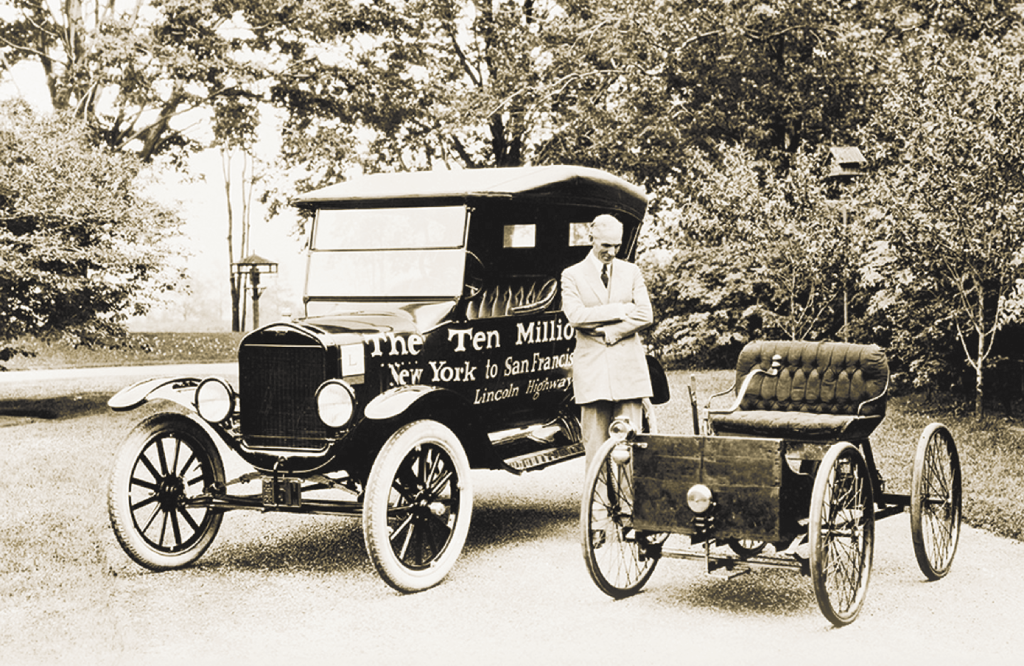
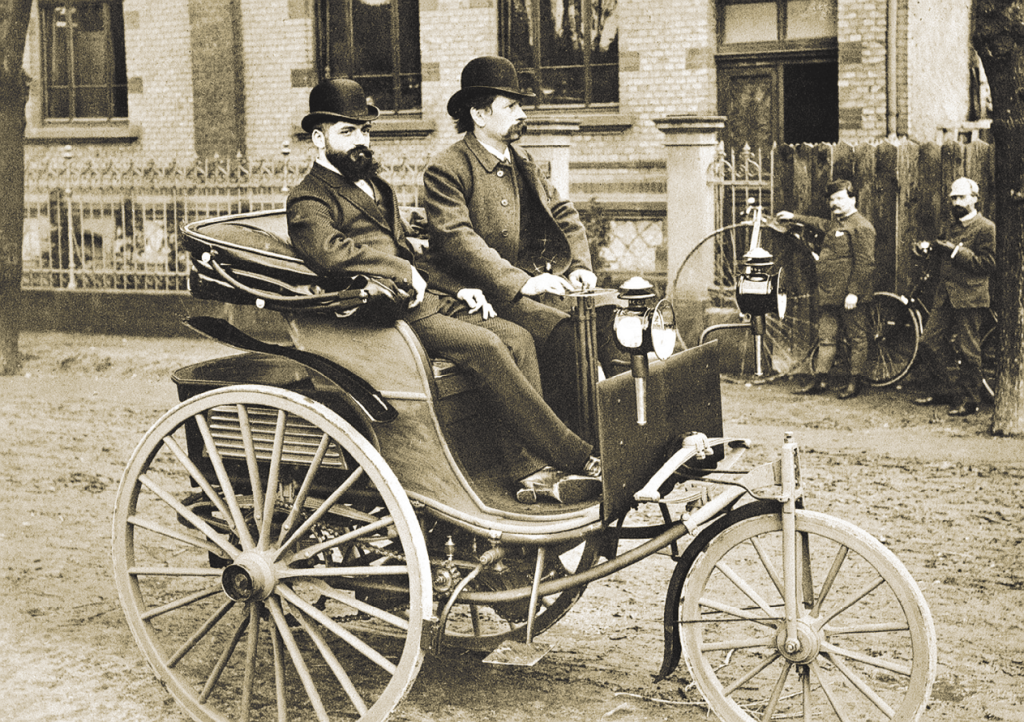
With the limited range of travel ancient humans had on foot, they soon looked at beasts such as horses to augment the scale of their journeys, either by riding them or using them to draw carriages. Even then, these animals had range limitations and exposed their riders to the risk of injury, because of their sometimes unpredictable nature.
When the first modern automobile by Karl Benz was driven on the road in the late 19th century, it revolutionised transportation. Human beings had a new method of moving around, one that was faster, safer, more reliable and able to travel further than the animals it superseded. It paved the way for the automobile boom, an industry that would endure for decades.
In 1914, Henry Ford adopted the production-line assembly method to build his cars, which enabled the Ford factory to churn out the iconic Ford Model T at an incredibly fast rate of one every 15 minutes. This newfound efficiency in car manufacturing meant that more people could own automobiles. Although newer cars constantly evolve to become increasingly superior transportation machines, they owe their existence to that first pootle down the road over a hundred years ago. If not for it, our method of transportation would be markedly different, and most likely inferior.
Currency
Money Talks
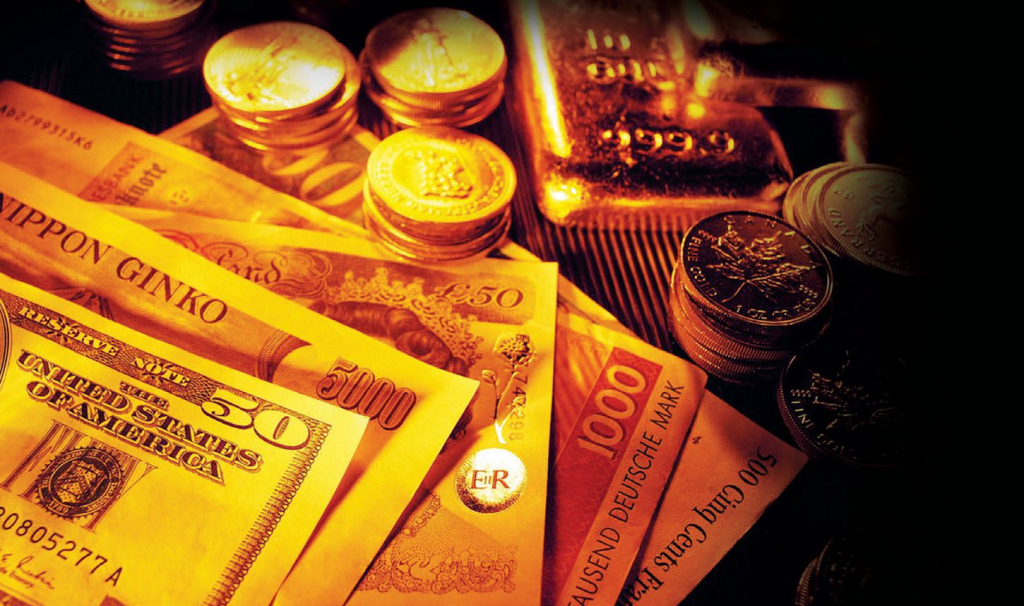
Before currency was introduced, the barter system was widely used by society. This system however had many flaws, including the requirement of reciprocal wants between the parties involved, the lack of a proper determination of value and the indivisibility of some goods. This inefficient method of trade was soon usurped by more organised transactions.
Coins first came about between 600 to 700 BC and usually had the value of the metal they contained, which was typically silver, gold or bronze. In current economies, most coins are made of an alloy or a base metal like copper. Instead of having their values determined by their metal content, the value of these coins is set by the issuing government. Paper money soon appeared from China, gaining favour as a more convenient form of transporting large values of currency.
Money is omnipresent in today’s world, and possesses almost omnipotent powers. That thought inevitably crosses our minds whenever we reach for our wallets to complete a transaction, and on further pondering, we realise that only a handful of things can’t be bought with money. Whether it is in metal, paper or electronic form, a reality without money seems impossible to fathom.
Timepieces
Clocking In
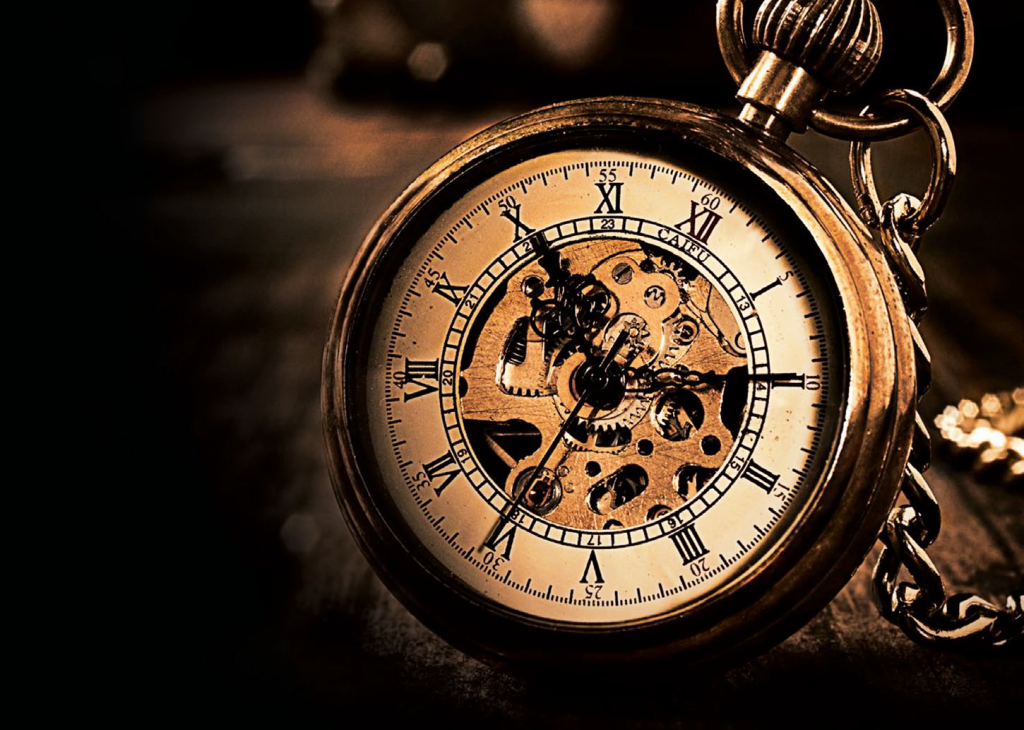
Primitive man relied on the movement of planetary bodies and changes in seasons to keep track of time. While this proved useful in scheduling farming activities and planning itinerant undertakings, this method of measuring time was hardly accurate. As time went by, hourglasses, sun dials, and water clocks provided men with a more efficient way to tell time.
Around the 14th century, the first mechanical clocks appeared. These early examples provided no visual indication of the time, having neither faces nor hands. Instead, they rang a bell every hour as a way to denote the time. Over the next few centuries, the design of the clock was gradually refined, leading to increased accuracy and more compact designs, from which watches were derived. Timepieces soon took many forms and incorporated numerous features to tickle anyone’s fancy.
From the endearingly engineered mechanical watch that hugs our wrist to the mind-bogglingly advanced atomic clock that sets new standards in time measurement, timepieces have become such a common part of our lives that it is all too easy to overlook its innate significance when we glance at the time. However, it is arguably one of the more important inventions that mankind has produced, especially for the various fields of science where timekeeping is entwined in the very essence of an experiment or process.
Paper
Turning the Page
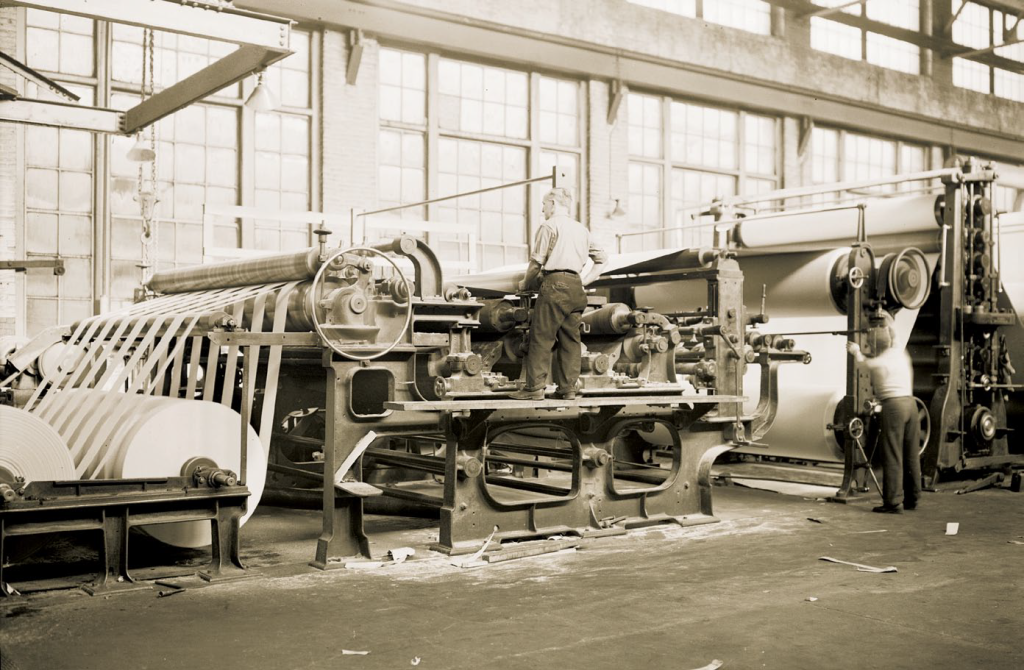
Invented in China sometime during the Han Dynasty, which was in power from 206 BC to 220 AD, paper soon reached the West thanks to the Silk Road. This novel invention is attributed as one of the important contributors to the growth and development of human civilisation. Before paper, bones, bamboo slips, and tortoise shells were the media used as writing surfaces. However, their size and weight proved to be impractical, leading to the creation of paper.
Initially, silk and hemp fibre were used to manufacture paper, but their quality proved to be less than satisfactory. The fact that these two materials could be better utilised for other, more practical purposes meant that they soon fell out of favour as raw material to make paper. It was during the Eastern Han Dynasty in 105 AD that Cai Lun, devised a far more practical method to produce paper from bark, cloth and worn fishnet. Since these materials could be easily procured and cost much less, large scale manufacturing of paper saw the light of day.
Today, paper plays a pivotal role in our daily lives, and is found in homes and offices in palpable abundance. Whether it is used to print out a school report, or make up the pages of a magazine like the one you are holding right now, we come in contact with this ancient invention almost every day. It is an invention that has lingered for centuries, and even with the advent of electronic media, there is little sign that it will be crumpled up and thrown away.
Printing Press
True to Type
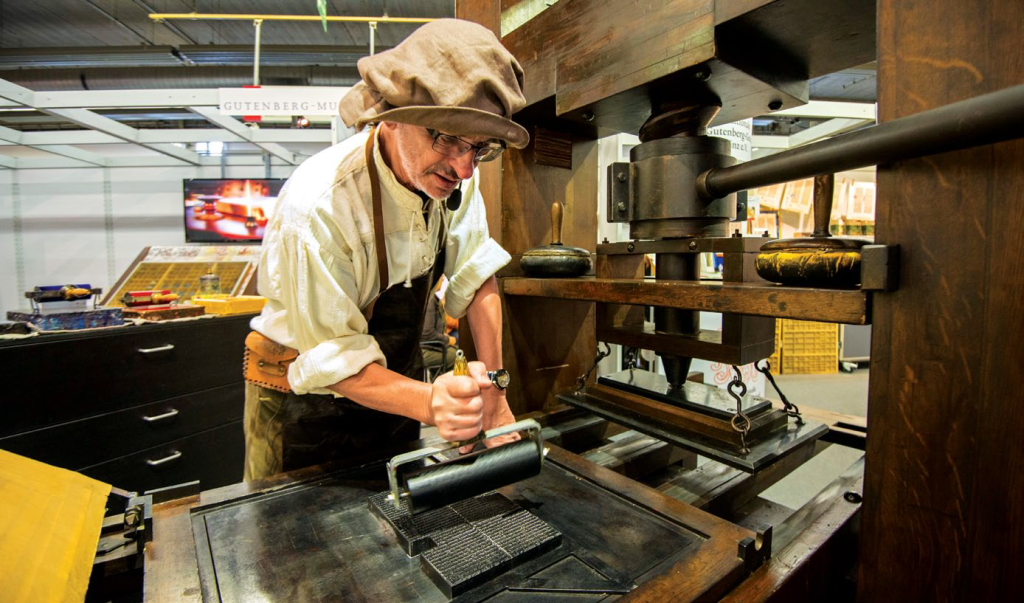
Prior to the printing press, copies of manuscripts and books had to be painstakingly written by hand. This resulted in not only a considerable amount of time needed to create just a single copy, but also increased the chance of human error manifesting within the text. Apart from that, the limited supply of books meant that only aristocrats could procure them. As a consequence, the rest of the population exhibited a high illiteracy rate.
The first movable type printing was invented by Han Chinese printer, Bi Sheng, sometime between 1041 and 1048. Then in 1436, Johannes Gutenberg formed a partnership with Andreas Dritzehn and Andreas Heilmann and perfected the printing press design. He made type out of an alloy of tin, antimony and lead. This type, used to this day, was considerably more durable than the wooden type previously employed for printing. The type was coated in his own oilbased ink and used with the screw-press, which allowed for uniform direct pressure to be exerted on the paper.
Although printing presses today are computerised, and are much easier and quicker to set up and operate, with their operators only needing to deal with switches and buttons rather than good old-fashioned elbow grease, they still owe their existence to this centuries-old invention. Without Gutenberg’s machine, we would not have had the printing revolution that dictated the way mass printing was performed, then and today.
Aviation
Flying High
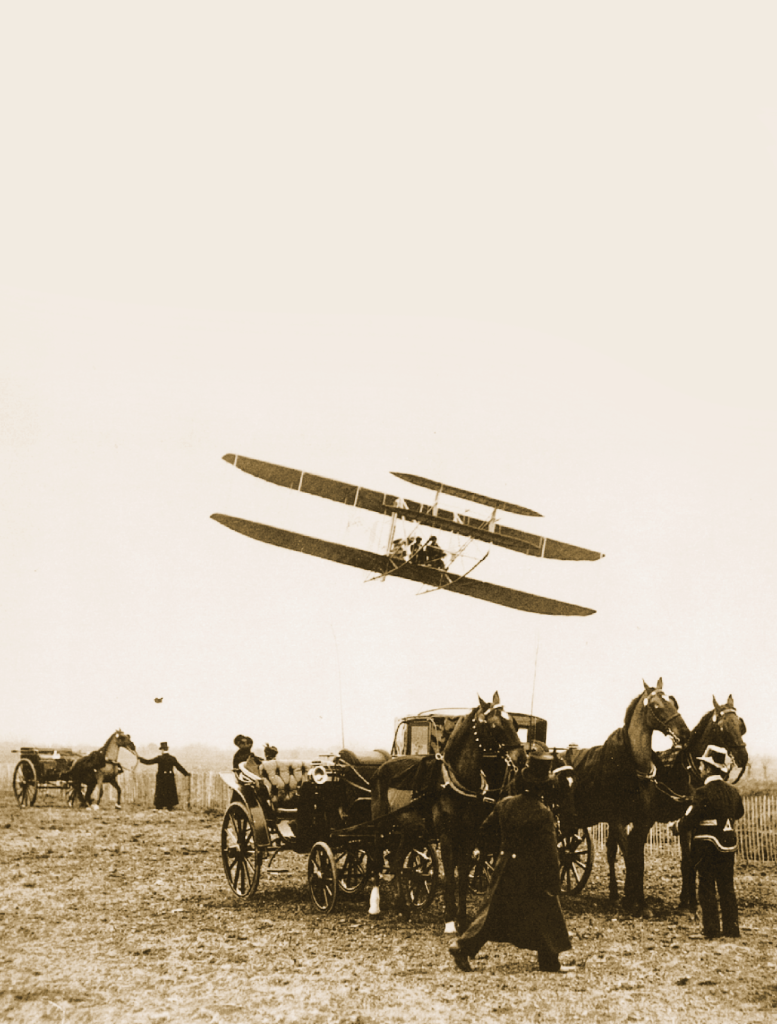
Early pioneers in the study of human aviation include the Montgolfiers, George Cayley and Otto Lilienthal. With their hot air balloons and gliders, they achieved unpowered flight, proving that it was possible for man to shed his earthly shackles and reach for the clouds. It was Lilienthal’s work that inspired brothers Orville and Wilbur Wright to invest their time and effort in designing and flying a heavier-than air powered aircraft.
Working diligently and going through several glider designs, the Wrights were relentless in the quest for success. They pored over Lilienthal’s notes, altering dimensions and putting their creations to the test. The brothers even designed and constructed their own wind tunnel to examine the aerodynamic properties of their wings. They also built their own 12 horsepower engine to power the propeller.
All their hard work paid off on the historic day of 17th December, 1903, when their Flyer took off in the vicinity of Big Kill Devil Hill near Kitty Hawk, North Carolina. Ever since then, airplanes have taken over the world, literally. International travel now takes hours, not days or weeks. After conquering the skies, human beings looked beyond and took flight to the next level, launching many successful missions into outer space, an achievement the trailblazers in aviation can be immensely proud of.
These are only a handful of inventions that were born in the minds of innovative individuals long ago. While some appear to have stayed true to the well-known proverb ‘Necessity is the mother of all invention’, others seem to be a celebration of the unfaltering human spirit in realising a dream. Whatever the case may be, one notion prevails, all of these creations have altered the course of human history in their own exceptional way and define the way we live our lives today. Whether they were the effort of a single man or the collective endeavour of many, these inventions have left a lasting legacy that thrust their creators onto hallowed grounds in history books.

