

In collaboration with High Life: Living the Good Life, VOICE OF ASIA is proud to present timeless articles from the archives, reproduced digitally for your reading pleasure. Originally published in High Life Volume 2 in 2015, we take a look at some of the world’s rarest works of literature in the world.
The first edition of a scarce or rare book is always a prestigious collectible. For a collector, there is a little more logic and reason that accompanies book collecting than mere reputation. First editions are also a first line investment as their demand rises over the years. For the collector, they hold a sense of sentiment, and the luxury of possessing a piece of history. HIGH Life compiles some of the most valuable and sought-after books of all time.
Leonardo da Vinci’s Codex Leicester
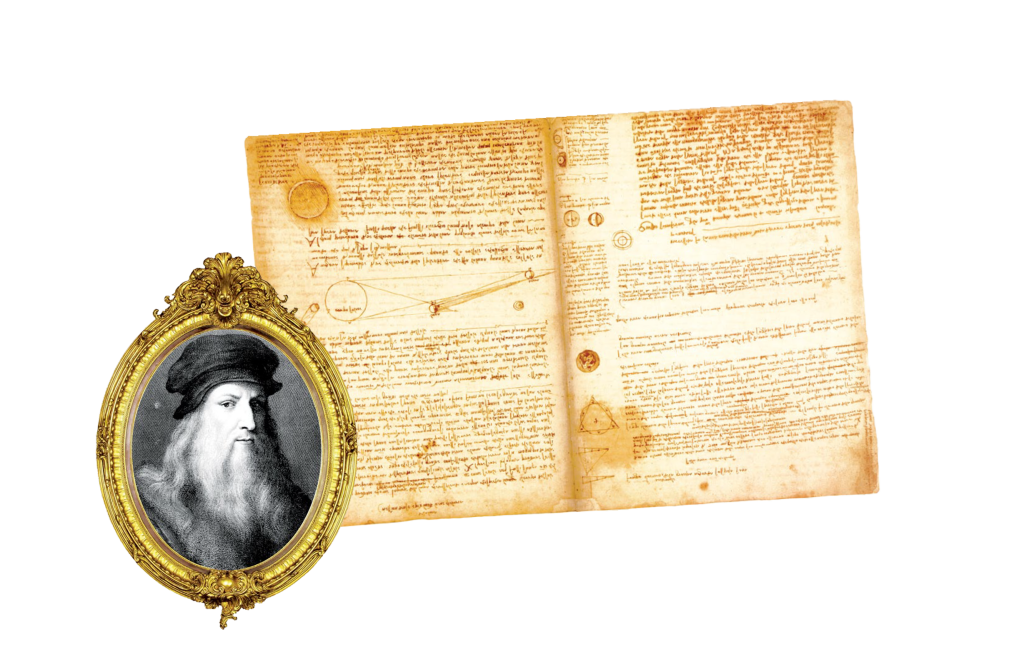
Written by Leonardo da Vinci between 1506 and 1510, the Codex Leicester is a direct look at the scientific observations and thought processes of one of the greatest inventors. It differs from other mentioned first editions because it was never printed or published in any quantity, but is a oneof- a-kind manuscript of theories, sketches and drawings, handwritten by da Vinci himself.
Like many of da Vinci’s private works which were not intended for publication, the script was written in mirrorhand, that is to say, the words were written from right to left and can be read from their mirror reflection. Although not in book form, the 18 leaves can be compiled to form a 72-page book.
What makes it an antiquarian’s favourite is the scarcity of the manuscript, as it is the only of its kind ever written and to ever exist in the world. The subject matter ranges from luminosity of the moon to fluid dynamics – scientific theories which were a mystery at that time, which adds to the document’s value.
In 1994, Microsoft CEO, Bill Gates bought the Codex Leicester for an astounding US$30.8 million, making it the most expensive book of all time.
Ptolemy’s Geographia Cosmographia
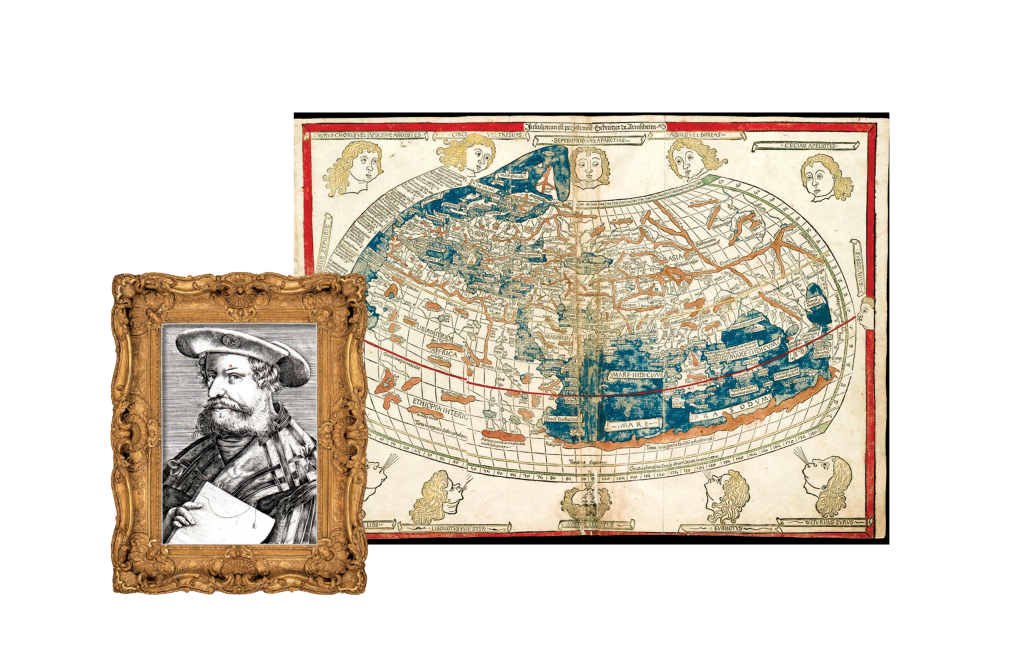
Claudius Ptolemy was a scientist who lived around the year 100 A.D. He produced numerous important works which preserved much of the ancient world’s scientific knowledge. Although he knew his knowledge of the world was limited, Ptolemy still continued to outline his principles of geography in Geographia.
Geographia Cosmographia provided extensive maps of the world as Ptolemy knew it at the time. Although the maps were very inaccurate by modern standards, they were a major source of the European view of the world during that period.
Many of Ptolemy’s hand-drawn maps were lost during manual copying processes, but in the 15th century, a copy of Geographia Cosmographia resurfaced in Europe and was printed in a variety of editions. Some maps were restored and reproduced with inscriptions, while others were updated by including modern maps of that time.
The quality and contents of these Renaissance copies remain unaltered and one first edition, was auctioned off at Sotheby’s for US$4 million.
John James Audubon’s Birds of America
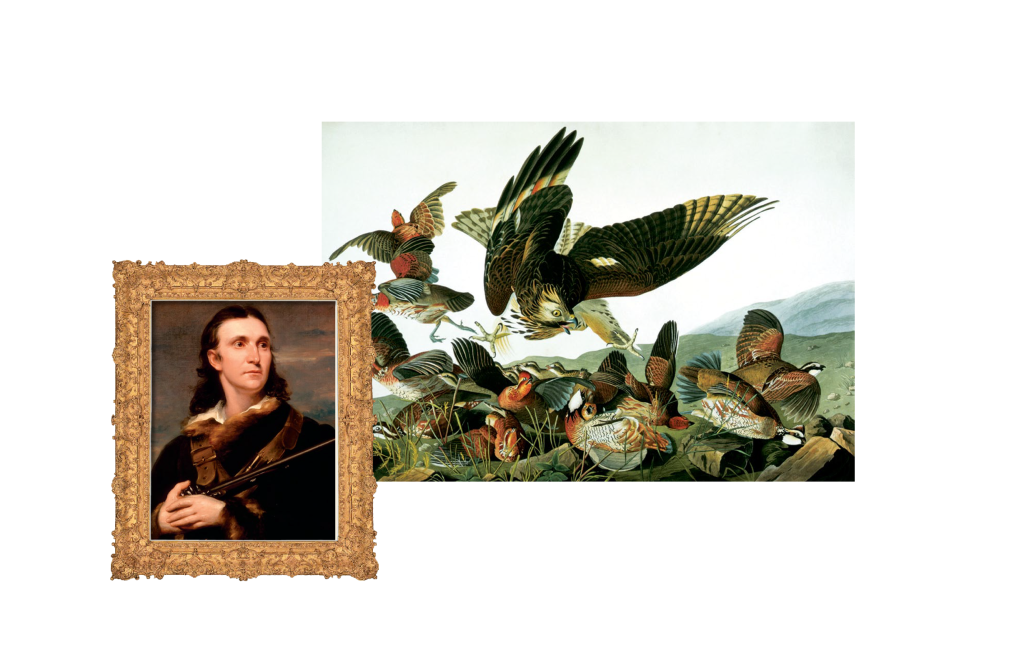
In 1820, American naturalist and painter, John James Audubon, began painting birds in an attempt to paint every avian species in North America. Eventually, Audubon completed 435 life-size bird paintings in a series of eight volumes. It is estimated that only 200 complete sets were produced, and only 120 of those were known to have survived.
The elephant folio, which was the largest size of paper available at that time, was used to accommodate the size of the paintings during printing. Also known as the Double Elephant Folio due to its size, its production was a costly task that relied mainly on advanced payments from the list of subscribers who were primarily the elite of the mid-19th century.
In 2010, one first edition of Birds of America was sold to London art dealer, Michael Tollemache for US$12.6 million, while another first edition was acquired in 2012 for US$7.9 million. Today, a single plate of the engraving costs thousands of dollars, not only because of its size but because most of the painted birds are now extinct.
The Gutenberg Bible
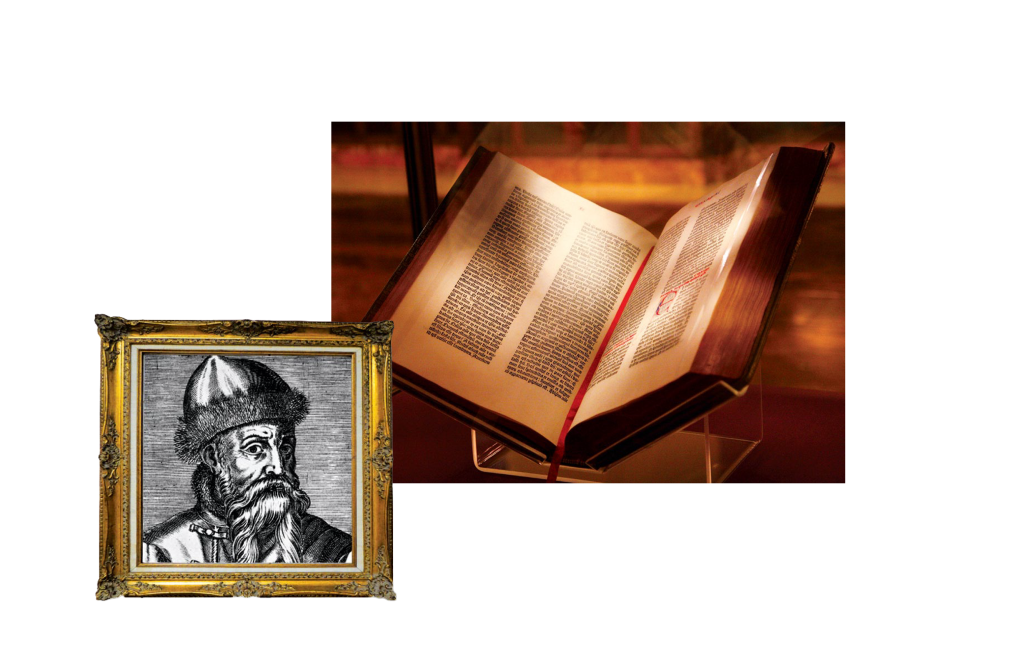
It is the first substantial book printed in the West by moveable-type printing press. Before its printing in 1455, books were either painstakingly written by hand on scrolls,or printed from engraved wooden blocks, a process that could take months or even years to complete.
Johannes Gutenberg invented a printing press which revolutionised the distribution of knowledge, making it possible to produce many accurate copies of a single work in a relatively short time. With only 48 existing copies spread throughout the world today, of which 21 are complete, and other copies known from fragments, the Gutenberg Bible is worth a fortune.
In 1987, an Old Testament volume was purchased by a Japanese buyer for US$5.4 million, a record at auction for a printed book. To own a leaf from history’s first book is to be a member of a very elite and small group of people in the world. A single page extracted from the first editions of the Gutenberg Bible could fetch between US$25,000 and US$35,000, meaning an entire volume is valued at over US$35 million. For the collector and historian though, this link to the past is priceless.
With increased interest in the internet and e-books, the world has become more transient, but nothing can beat a great classic in the palm of your hand. There is a beauty about physical books, which when shared, creates memories that are becoming more valuable than ever – for these first editions, their legacy is not only literary, but a precious link to history.

