

In collaboration with PASSIONS, VOICE OF ASIA is proud to present timeless articles from the archives, reproduced digitally for your reading pleasure. Originally published in PASSIONS Volume 54 in 2013, we present this story on the greenhouse effect and how we need to reverse its effects, and soon.
Earth is warming up to humans and its other living creatures. That’s not a good thing, at least not in this context. Global warming, also nicknamed ‘the greenhouse effect,’ is when large amounts of toxic gases prevent the earth’s atmosphere from releasing warmth out into space. This trapped warmth is a very real danger, one that affects us directly, and we need to do everything we can to avoid contributing to its global takeover.
From afar, the effects of this phenomenon do not seem dire enough to touch us at an individual level, in much the same way that we do not feel the earth move as it turns on its axis. Upon closer examination, however, we are able to see the parts of the greenhouse effect that make it a scary whole.
So what does global warming have to do with us? The short answer is “everything.”
The Bad News
Humans are the number one cause of global warming. The way we consume things – being wasteful and excessive creates a demand for even more technology that emits toxins to the earth’s atmosphere. It has everything to do with us.
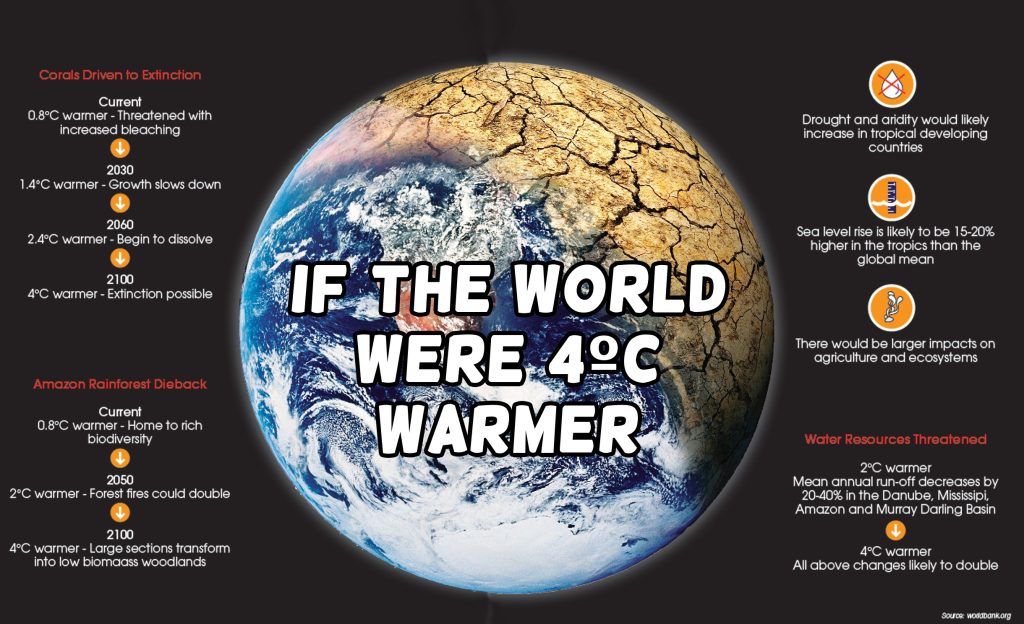
Global warming occurs when the temperature of the earth’s oceans and atmosphere rise, and then continues to do so. Organisations like the Intergovernmental Panel on Climate Change (IPCC) make projections on exactly how much the temperature rises, and on their latest projection, the 2007 Fourth Assessment Report (AR4), they indicate an increase of up to 2.9 °C in the 21st century alone.
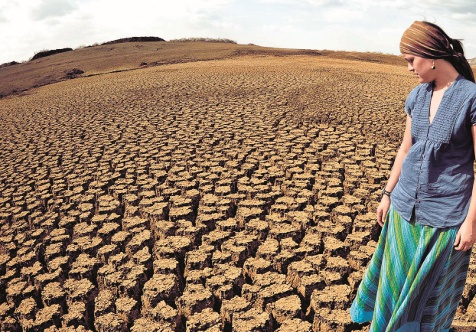
The effects of this increase in temperature is not only expected, it is already happening everywhere, and our dependence on electricity could be making things worse. Fossil fuel-burning power plants emit carbon dioxide in large amounts. We also use fossil fuels for modes of transportation, and for manufacturing all the other things we use. This kind of climate change has an effect on nature and wildlife, our main sources of nourishment. Global warming causes drastic changes in the weather, resulting in heat waves, droughts, blizzards, heavy rains, and other extreme weather conditions. Extreme heat causes wide-spread fires, destroying many animals and causing others to lose their natural habitat. Food production is halted when the weather conditions destroy crops, and animals are undernourished by a reduced food supply. Water supply is affected as the quality of drinking water declines.
We are not exempt from these effects. Many people develop respiratory system problems as plants grow faster in warm temperature, causing them to produce more potent allergens. The decrease in both the quality and quantity of food, or an increase in “bad” food, creates other health problems as we turn to ‘artificial’ food loaded with chemicals and preservatives that are harmful to our bodies. Warmer climate also changes the way diseases are spread – insects or bacteria that are normally reduced or dormant in winter now have a longer affective period.
The effects of climate change are so interconnected that it has become very difficult to remove ourselves from the equation. The effects are also different from region to region. In Ethiopia, home of Arabica coffee and the 7th largest coffee producing country, warmer weather caused an increase in the birth and growth of coffee pests called the ‘coffee berry borer’. Infestations are affecting not only the quality of the coffee, but also the income of 20 million households.
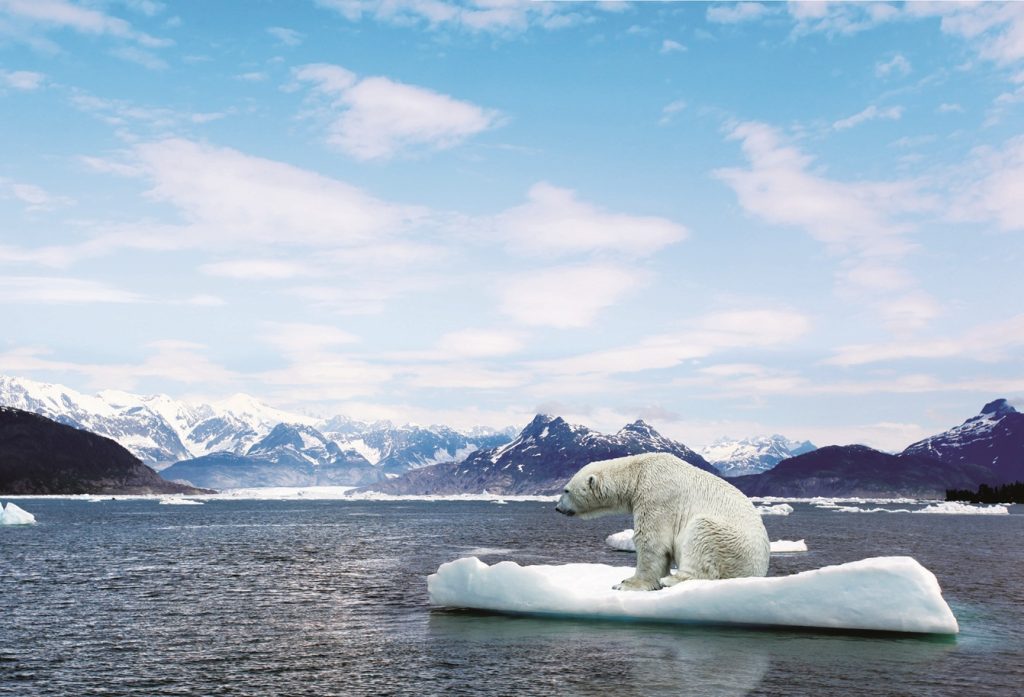
Glaciers in the Southern Alps of New Zealand are melting under the warm climate. These glaciers are water stored as ice, used mainly as a resource for hydroelectric power, irrigation, and a water source during droughts.
Meanwhile, in Malaysia, the country’s rainforests are an easy target. Home to many unique species of animals, the rainforests are very quickly disappearing, threatening the lives of these animals, and increasing the risk of flood. On top of all of this, deforestation contributes 20% of the world’s greenhouse gas emissions.
The Good News
We are already thinking about it. We are more educated and brainstorming solutions to come up with ways to do some damage control, driven by organisations, leaders and individuals determined to effect change.
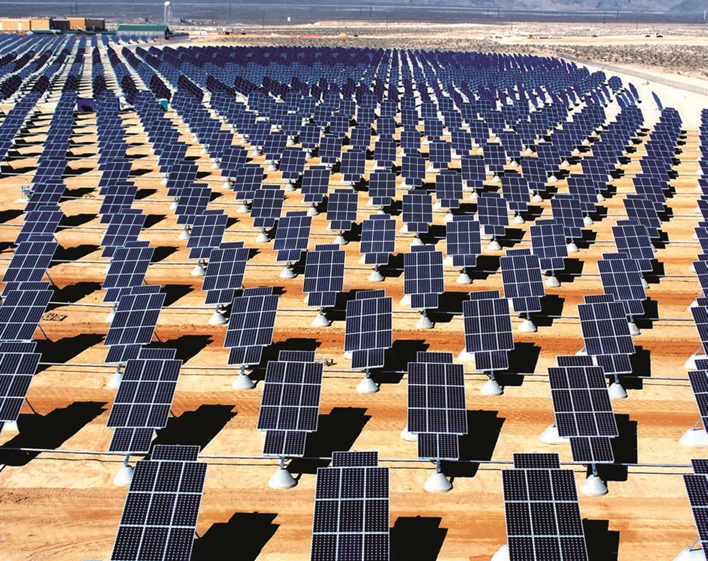
Renewable energy, for instance, is a great alternative to fossil fuels and carbon-combustible products that are damaging the atmosphere. Solar power is a great example of renewable energy, as it uses sunshine to create heat and electricity. Scientists and engineers continue to look for energy sources, more people are using technology appropriately to help decrease our carbon footprint, and development of sustainable products and technology is underway.
A Global Effort
Countries are talking. The United Nations Framework Convention on Climate Change (UNFCCC) is an international environmental group of countries that meets annually to assess progress in combating global warming. The International Panel on Climate Change (IPCC) is an intergovernmental body that provides comprehensive scientific assessments on the risks of climate change.
The United Nations’ REDD programme (Reducing Emissions from Deforestation and forest Degradation) provides support to over 47 countries by lending expertise on methodologies, tools, approaches, and best practices to those who need them.
There is no one solution, but the international community is working together to bring toxic gas emissions down 80% by 2050. The promotion of energy efficiency is one way, and is easy and cost-effective in the long run. For example, using energy-efficient LED lighting fixtures that last longer than the regular light bulbs, allows consumers to use less energy for a longer time.
Automobile companies are being pressured into manufacturing ‘smart’ vehicles, ones that use less carbon fuels, and governments are creating mass transportation systems that reduce the distance vehicles travel, considerably cutting down on the emissions coming from the transportation sector.
Malaysian Contribution
Closer to home, the Malaysian government has active initiatives to curb the spread of global warming. Research on biofuels and biomass for electricity has begun based on the National Biofuel Policy document of 2006. Regulations such as the reduction in plastic bags use are being implemented, in order to get every person involved.
Many non-profit organisations are getting involved though lack of funding is a drawback.
The Centre for Environment, Technology, and Development, Malaysia (CETDEM) is one non-profit organisation that focuses on improving environmental quality. They offer training courses to the public on environmental issues as well as Organic Farming, Business Development, Hazardous Waste Management, and Energy Conservation among many others.
They have recently finished building a Demonstration Cool & Energy Efficient House, now open for viewing, that works on solar power for its electricity. In addition, they have established an Organic Farming Community Centre in Selangor where information on how to manage an ecological, sustainable lifestyle is available.
Earth Hour Initiative
In February 2013, World Wide Fund for Nature (WWF) Malaysia’s Executive Director and CEO Dato’ Dr. Dionysius Sharma urged Malaysians to participate in Earth Hour, a global initiative when 2 million people all over the world, including businesses, switched off their lights for one hour in protest at climate change. He added that people should take it beyond just participating in Earth Hour – to avoid being generally wasteful with energy. He strongly advocates incorporating environmental education in the Malaysian educational system, and engaging local communities in sustainable resource management. WWF-Malaysia is currently running over 90 projects, including environment education and training other organisations in Malaysia on conservation.
The Global Environment Centre, also a non-profit organisation, has been addressing issues like climate change, energy resources, and biodiversity since it was first established in 1998. They are currently running projects that help save the environment, such as ‘Sahabat Hutan Bakau’ or ‘Friends of Mangroves’, an initiative that encourages locals to be involved in the rehabilitation of mangroves. A group of environmental enthusiasts, the GEC staff of about twenty people also work on outreach programmes that educate the local community on environment-friendly practices.
Climate change is said to be the most pressing environmental problem of the 21st century and awareness is the important first step towards creating sustainable solutions. What all the environmental organisations have in common is their drive to learn more about the phenomenon, and to spread the word. When you are armed with this knowledge, you are better equipped to do your part in saving the planet. When we help Malaysia with its global warming initiatives, Malaysia helps the world. And that is a domino effect the world will thank us for.

