

In collaboration with High Life: Living the Good Life, VOICE OF ASIA is proud to present timeless articles from the archives, reproduced digitally for your reading pleasure. Originally published in High Life Volume 4 in 2015, we take a look at some of the world’s iconic comfort foods.
Behind the straightforward delights of familiar favourites lies a deeper truth. “Comfort foods” actually reach further than our stomachs — they delve into our psyches, which is why we seek them out in the first place. These living and continuous ‘relics’ wrap a figurative blanket around us as we feel rather than recall the myriad wonderful experiences of home — the love, care, attention, nurture and great times with the family. Thus, beyond their typifying cultural or nationalistic connection, there will always be that more important personal one which remains forever.
Ice Cream
USA
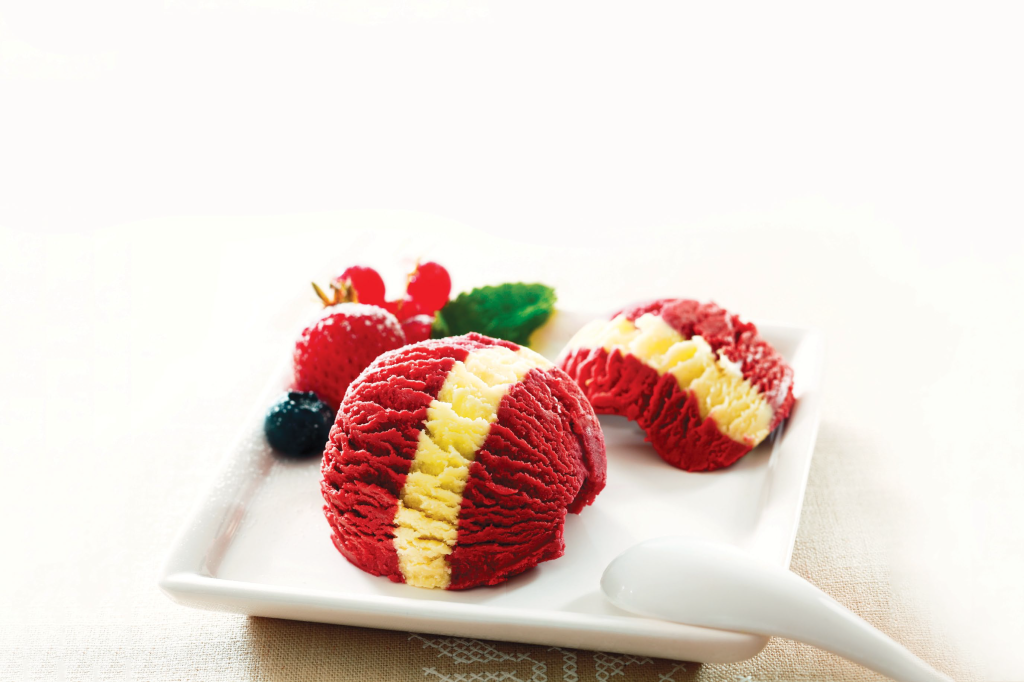
Americans take their ice cream very seriously. Annually updated by the FDA (Food and Drug Administration) since 1906, standardised legal definitions of various frozen desserts are derived along the lines of their milkfat, air, egg or sweetener content among other details. Hence, “ice cream” runs the gamut of concoctions from incredibly rich French frozen custards to airy, fruity sherbets, and all manner of generic “store-boughts” and soft-serves in between.
If chocolate is the food of the gods, then ice cream has to be that of humanity. It is the one food that appeals to almost everyone. Americans, being particularly passionate consumers, average around 21 litres per year. But perhaps it is more about why than how much. Ice cream is the flavour of carefree summers, childhood wonder, and the good times with family and friends at “American institutions” like the soda fountain or diner. It is the food which transforms good home parties into great ones, and the cold treat which ironically breaks the ice at get-togethers. This personal association along with the long historical national one, have made ice cream as American a comfort classic as apple pie, hot dogs and hamburgers.
Macaroni and Cheese
North America
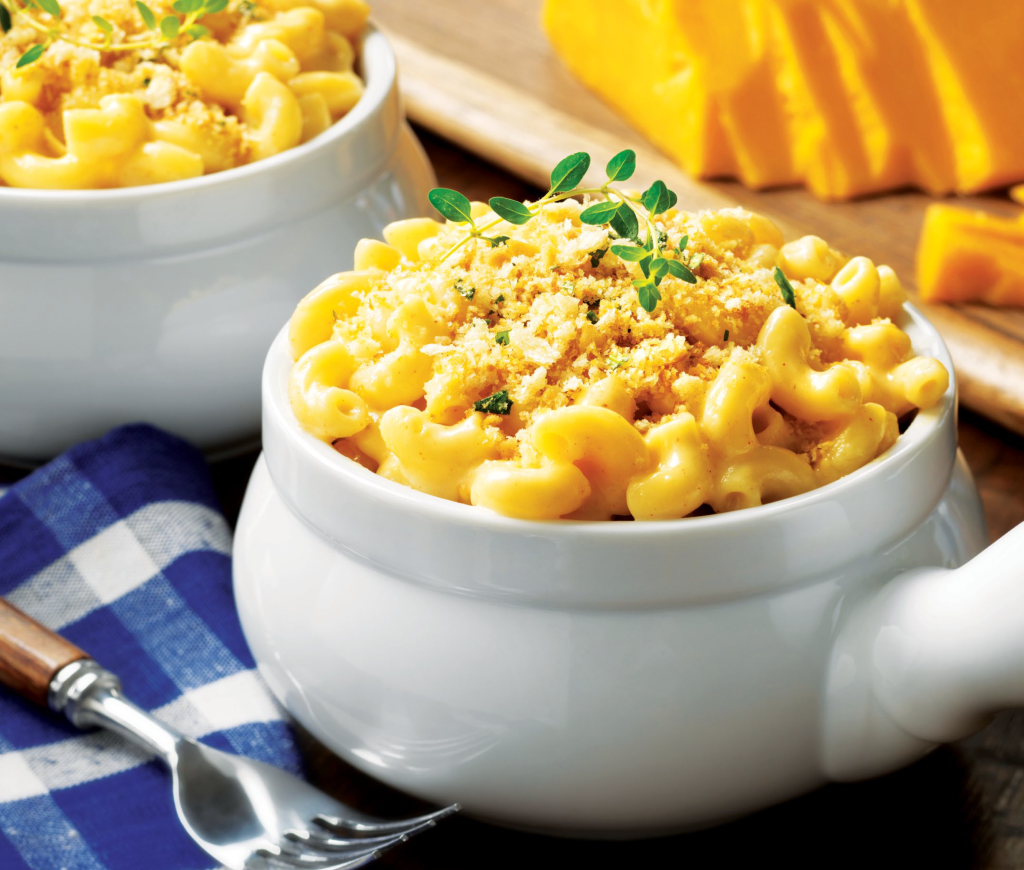
Whether commercial varieties like the Canadian Kraft Dinner and “The Blue Box” in the US, homemade from scratch or trendy high-end versions in fancy restaurants, macaroni and cheese is the instinctive go-to when one craves for a bit of satisfying culinary nostalgia. The “rib-sticking” dish is fascinating in its delightfully failproof combination of soft, smooth carbohydrates; rich, creamy sauce, and cheesy goodness. Its appeal lies in the colloquial “mac and cheese,” which is emblematic of family nurturing — by preparing this favourite savoury — experienced during one’s most impressionable years.
Courtesy of past American president Thomas Jefferson’s enamour of macaroni, and the imperialistic British reach into Canada, what was essentially quite Continental — a baked mélange of Italian pasta, French Mornay sauce and parmesan cheese — has evolved into a North American staple with as many variations as there are regions. But regardless, they all trigger the same things — the memories and taste of a loving home.
Kartoffelpuffer
Germany
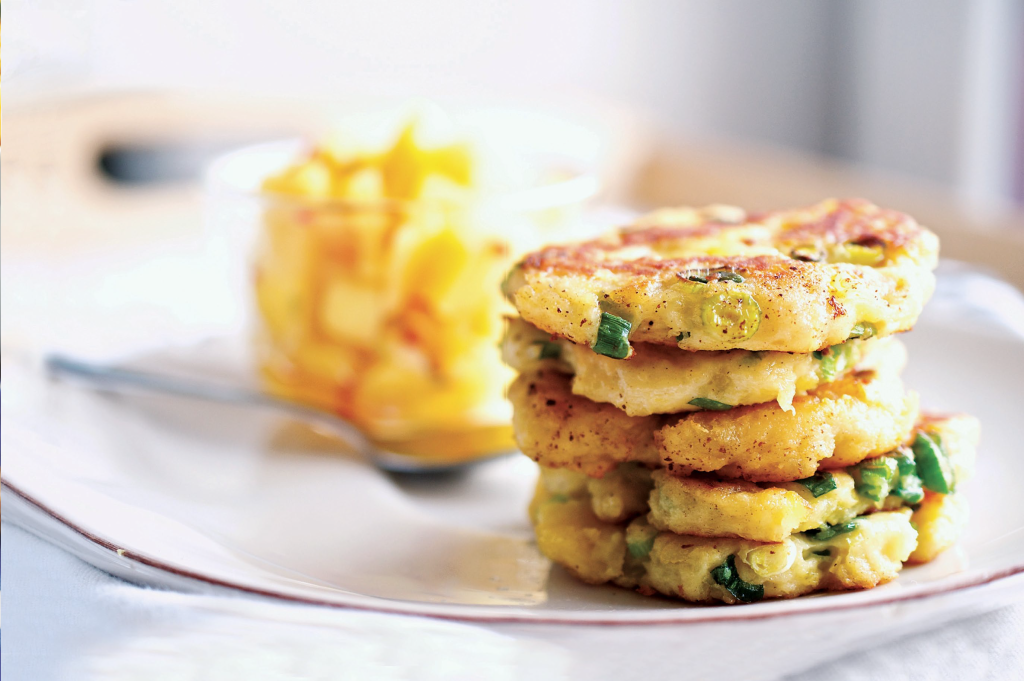
Greasily succulent and oh-so-lovely, fans of French fries and hash browns would love this German potato creation — kartoffelpuffer or potato pancake. Like all other comfort foods, it must have been specifically created for its cushioning effect against the ‘hardships’ of daily living. And in that spirit, it is itself easily prepared — basically grated potatoes and chopped onions bound with egg and flour, seasoned as desired and fried to golden brown crispness — and very popular across Germany where it is usually accompanied by apfelkompott (apple gravy) or eaten as a complement to sauerkraut and sausages in Bavaria. It is not difficult to understand why kartoffelpuffern (plural because one is never enough!) are the most deep-fried part of a German’s heritage because their potato and oniony wholesomeness is equally affirming and delicious.
Koshary
Egypt
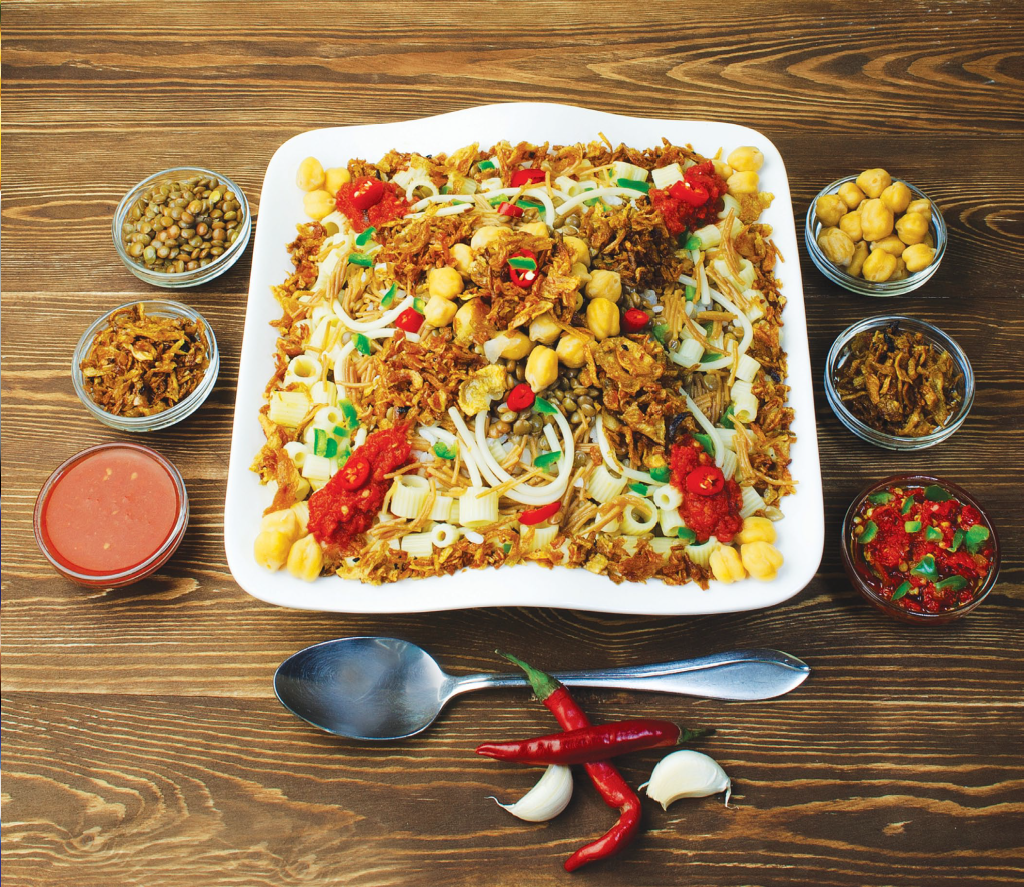
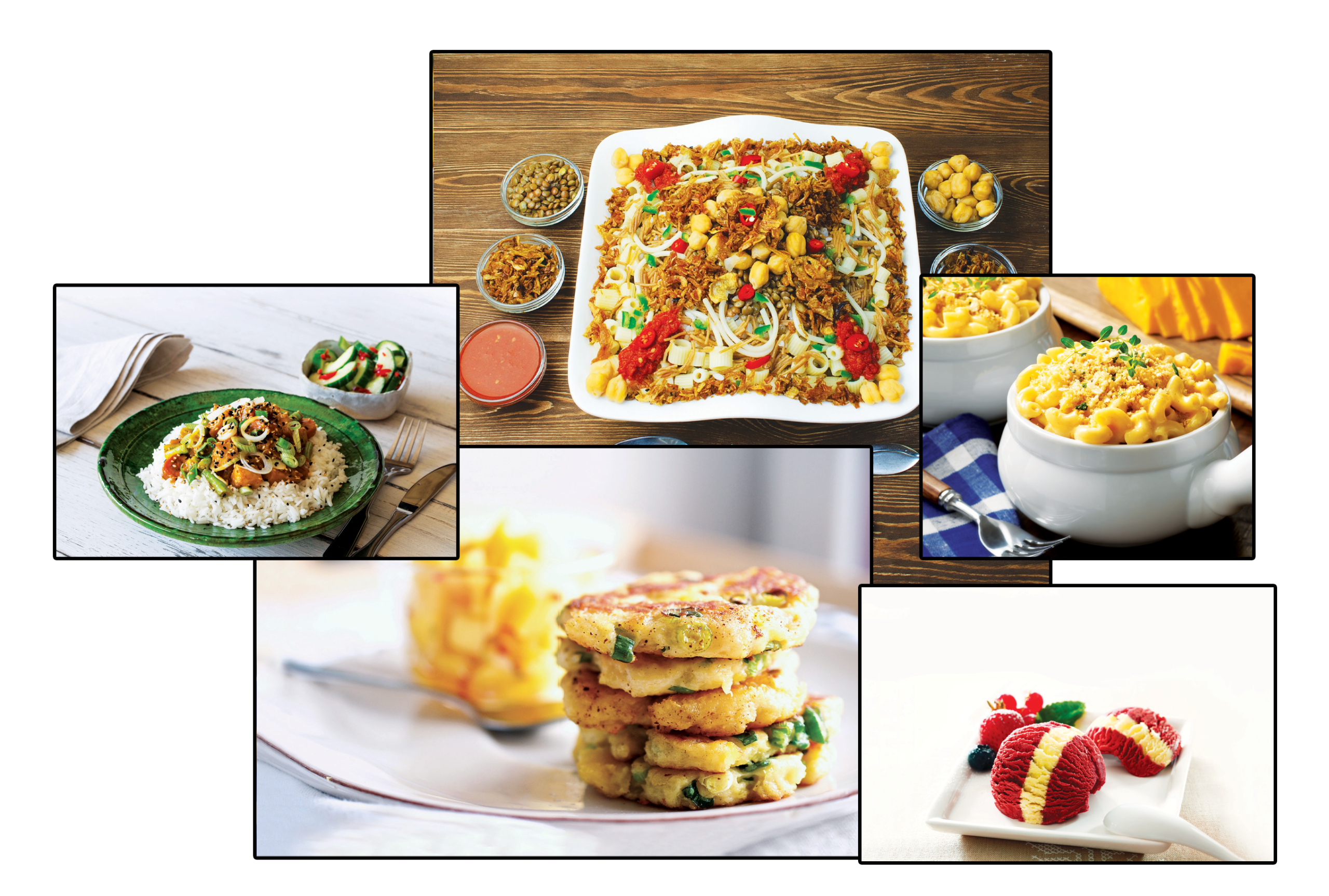
A foreign-influenced hybrid dish residing in the collective hearts and minds of Egyptians is koshary. Believed to have originated from the Indian khichri (a rice and lentils dish) introduced into Egypt by British colonials in the late 1800s, koshary quickly gained popularity with the masses because it filled stomachs without emptying pockets. And somewhere along the line, Italian macaroni and Middle Eastern spices got fused in to turn it into something uniquely Egyptian.
A deceptively simple comfort food, — macaroni, black lentils and rice are topped with crunchy fried onions, shatta (a tomato-chilli sauce) and vinegar — it fuels the body as well as passionate debates about its merits and preparation style. Available as both restaurant and street fare, koshary is very nationalistic since its ‘pedestrian’ nature feeds everyone accessibly regardless of social standing, and in that process is created the associated accounts, anecdotes and tales to heartwarmingly regale others with.
Karē-raisu
Japan
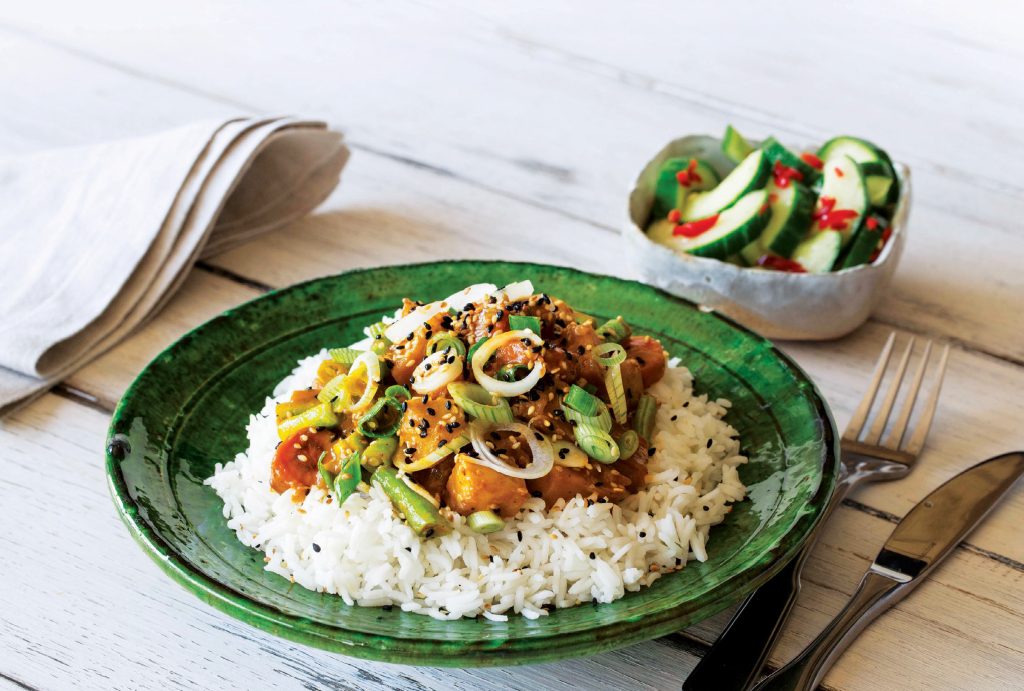
Its ubiquity in Japanese home-cooking makes karē-raisu or curry rice a definite part of national culinary culture. The British Royal Navy introduced their concept of curry to the Imperial Japanese Navy in the latter half of the 19th century, and it was love at first bite. The affair with this spicy dish has never dimmed ever since, spreading eventually to the rest of Japan. The curry has of course evolved, like many other things in Japan, to suit local needs and palates, spawning numerous adaptations and versions, including roux blocks for convenience. The basic curry rice maintains the “Western stew” suspects like flour, onions, potatoes and carrots while its Japanese elements are the accompanying short-grain rice and pickles. But every family will have its own beloved recipe which always makes the dish, despite its foreign roots, extra oishii (delicious) and special for someone, somewhere in Japan and the Japanese diaspora.

