

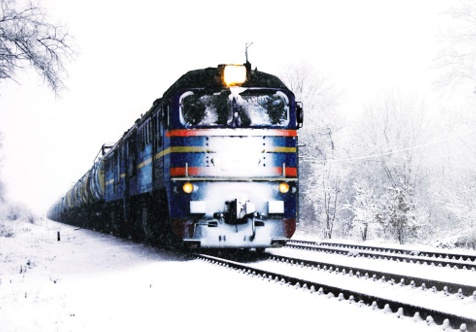
In collaboration with Convergence, VOICE OF ASIA is proud to present timeless articles from the archives, reproduced digitally for your reading pleasure. Originally published in Convergence Volume 20 in 2013, we present this story on the Trans-Siberian Railway,looking at the romanticism inherent in a long journey on the tracks.
It is said, ‘a journey of a thousand miles begins with a single step’. At 5,772 miles long, thankfully the Trans-Siberian, Mongolian and Manchurian Railway routes require only an initial leap – onto an awaiting carriage, attached to a locomotive which will carry you the rest of the way. These legendary cross-continent journeys are of epic proportions as they steam through barren wilderness, revealing cultural gems and delivering fascination. This is not just a physical traverse from Russia to China. Steeped in history, the journey is almost spiritual, a cathartic getaway from the heady rush of the modern world. It is a seemingly endless track, leading to guaranteed endless memories.
The World’s Longest Railway
Construction began on the railway in 1891, the implementation of a plan approved by Russian Tsar Alexander III, who realised the necessity for communication between the capital and the remote Far Eastern region. With transport limitations hampering the movement of goods and Russia’s global power slipping, this was a necessary strategic move. Work began simultaneously in several locations, and the Russian segment of the line was completed in 1903, running from Moscow to Vladivostok.
The idea for such a railway had been in the works for years prior to the edict being passed, but the notion was always swatted aside, stifled by finance ministers closely guarding the coffers. However, the Tsar bestowed the task on statesman Alexander Witte, whose diplomatic manoeuvres throughout the construction would write his own legacy, as he assuaged public fears when costs began to soar, constantly urging that it is “better to lose money than prestige.”
The detailed story of the railway’s construction would make a handsome reading companion for the long journey itself. However the conclusion to the tale is the realisation of a dream which has continued to this day, a century-old testament to the skill and vision of 19th Century Russian engineering and innovation.

The armoured train Orlík on the tracks near Irkutsk during the bitter First World War.
A modern view passing the ‘Paris of Siberia’ Irkutsk.

A passenger gazing out of the window over the Siberian wilderness, reflecting on life.
Rapid Development
From that initial route, the track has grown in length, with a multitude of branch lines being added over the decades to connect travellers to Mongolia and China. To date there are 990 stations across the entire network.
As the world’s longest railway and a great architectural marvel in its own right, there is a carriage-full of stunning statistics associated with it. The Trans-Siberian Railway, for example, crosses 8 time zones, passes through 87 towns and cities and crosses 16 major rivers, including the Volga, Ob, Yenisey, Oka and Amur. It passes through Europe for 19% of its length and Asia for the remaining 81%, and the longest tunnel on the route stretches for 1.3 miles.
The Siberian Experience
As mentioned, there are three Trans-train trips from which to choose – Trans-Mongolian tours visit three countries: Russia, Mongolia and China, while Trans-Manchurian tours visit Russia and China and Trans-Siberian stay within Russia. Travelling non-stop among the main-route takes seven days but would you really want to experience the most fleeting version of the journey? The urge to hop off, stretch your legs and explore the world outside the carriage is inviting, because from the grassy hills of Ulaan Baatar to the pulsing beat of Beijing there is a world of culture to delve into.
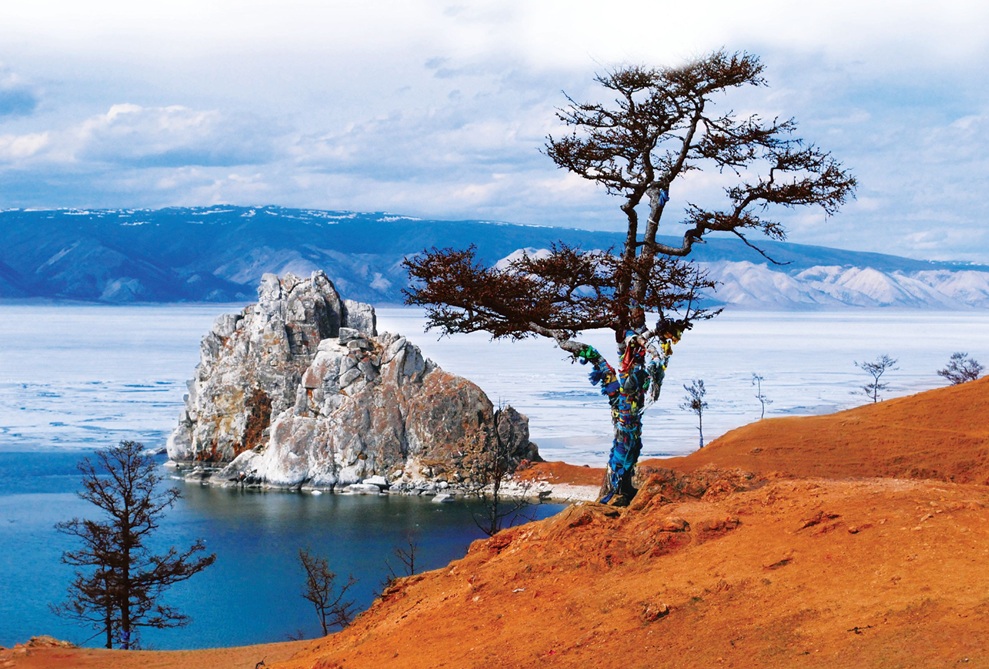
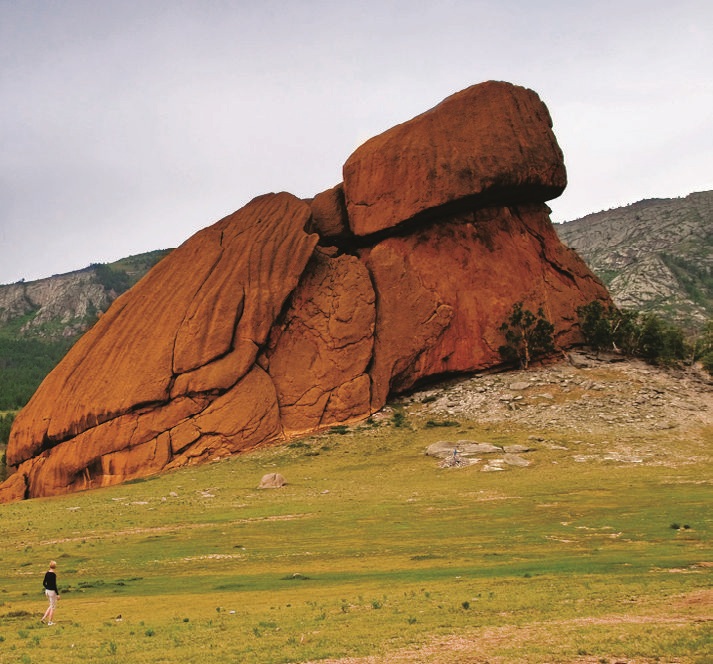
From history drenched Yekaterinburg to Lake Baikal in Russia, Terelj National Park in Mongolia, or the myriad towns on the road to China, you can extend your journey to weeks, even months – the itinerary is your oyster. Even the stations themselves exist as must-see destinations. For example, the Sludyanka station is the only one in the world to be built entirely of unpolished Baikal marble.
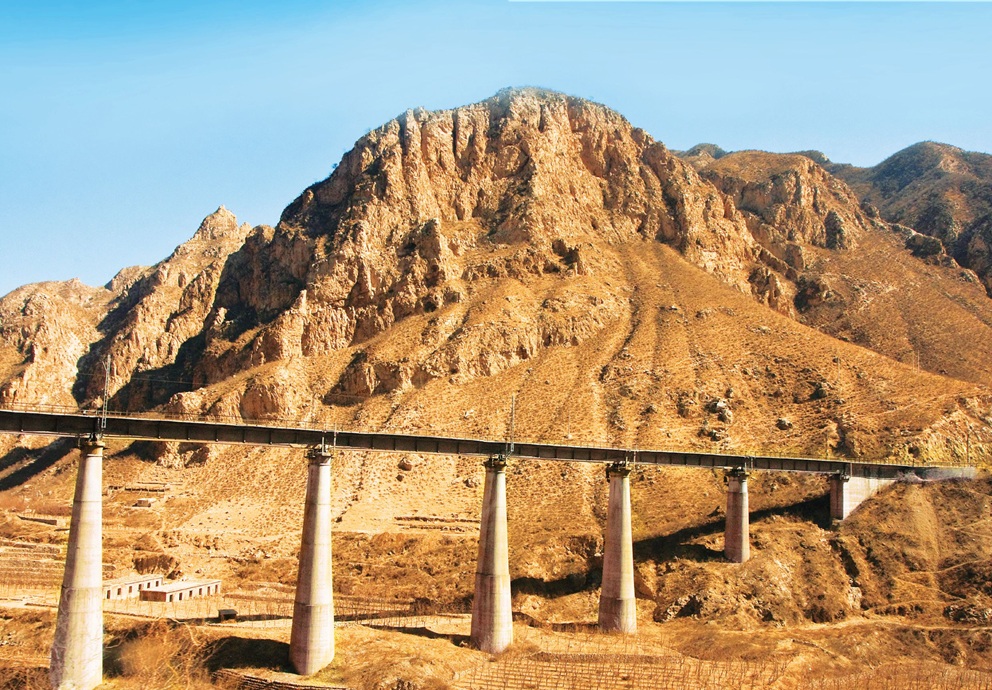
From the uninhabited beauty of oceans and mountains…
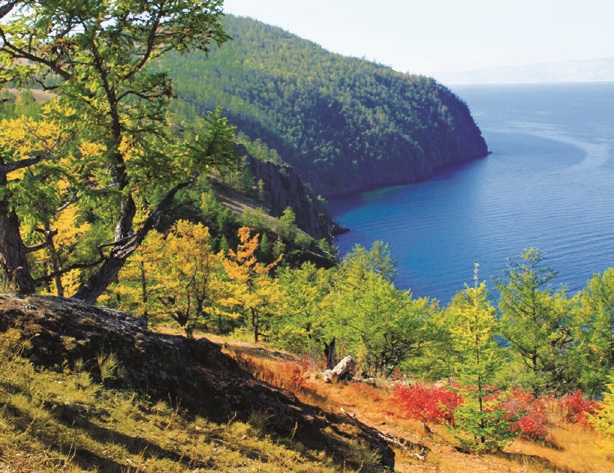
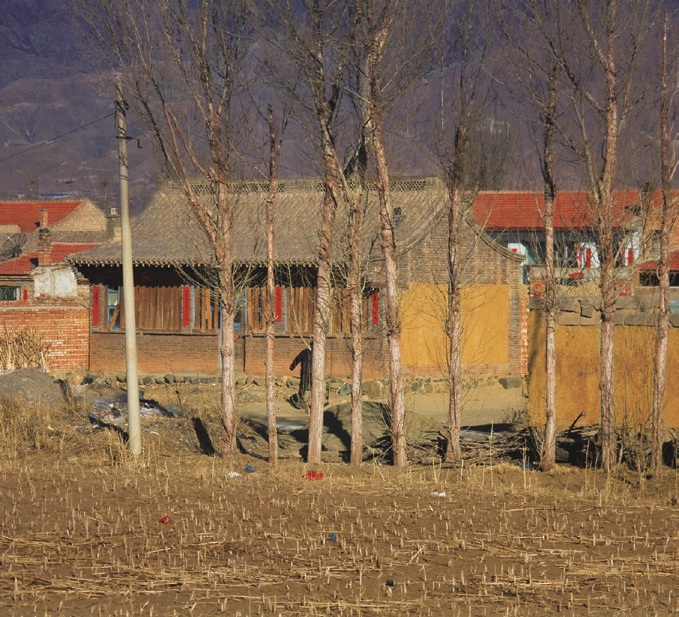
… to passing quaint Chinese homes in Shanxi, China, travellers see the entire spectrum of life and nature on the Trans-Siberian Railway.
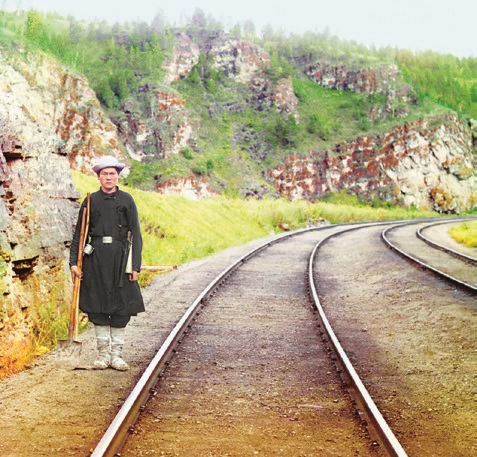
A Bashkir switchman on the Trans-Siberian railway, pictured in 1910 near the town of Ust’-Katav in the Ural Mountain region of European Russia.
Sights, Sounds and Steam
The train sits in the station, gleaming in the national colours of Russian red, white and blue as a flurry of activity enlivens the platform. Smartly-dressed guards set an authoritative tone, as passengers clamour for supplies and farewell hugs. This route may have been taken thousands of times by thousands of commuters, but there is still a sense of ceremony, a celebratory fanfare played prior to that first chug of wheels out of Moscow station – a breathtaking structure in its own right.
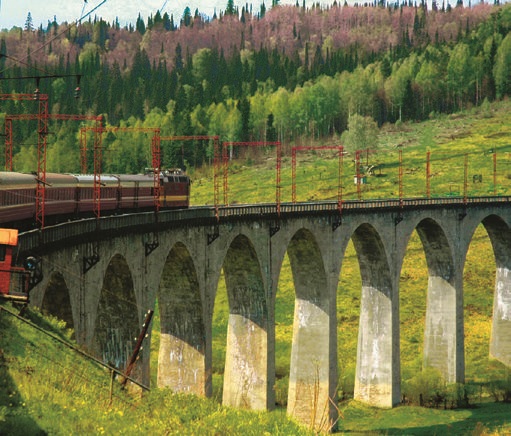
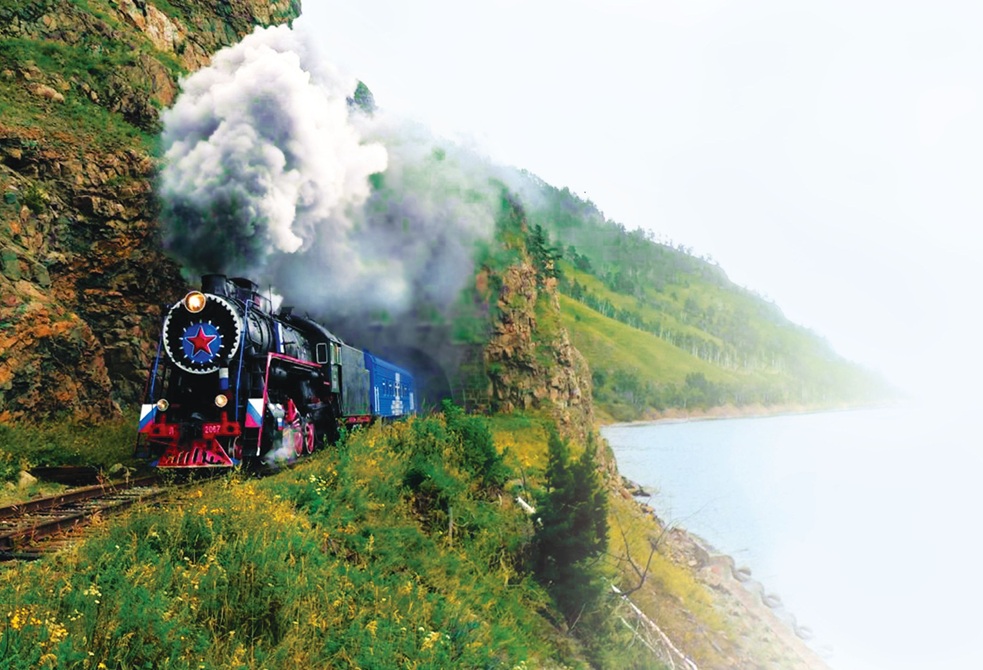
The train chugs through a thawed, lush green route during the warmer months.
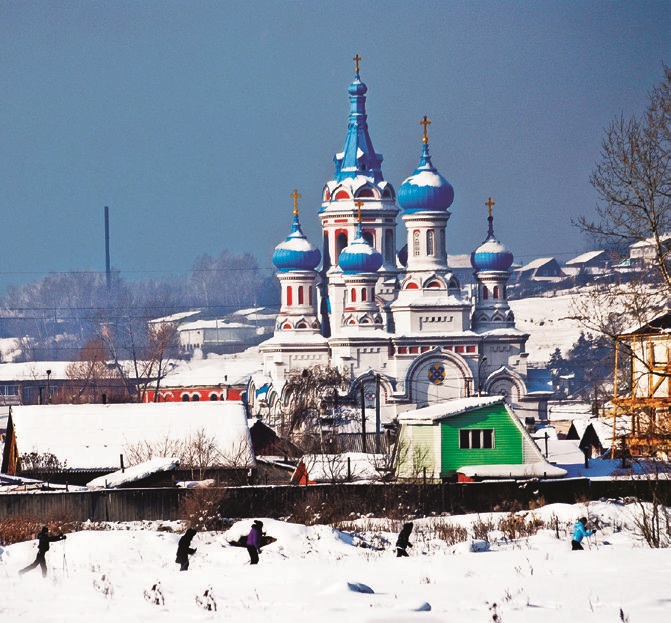
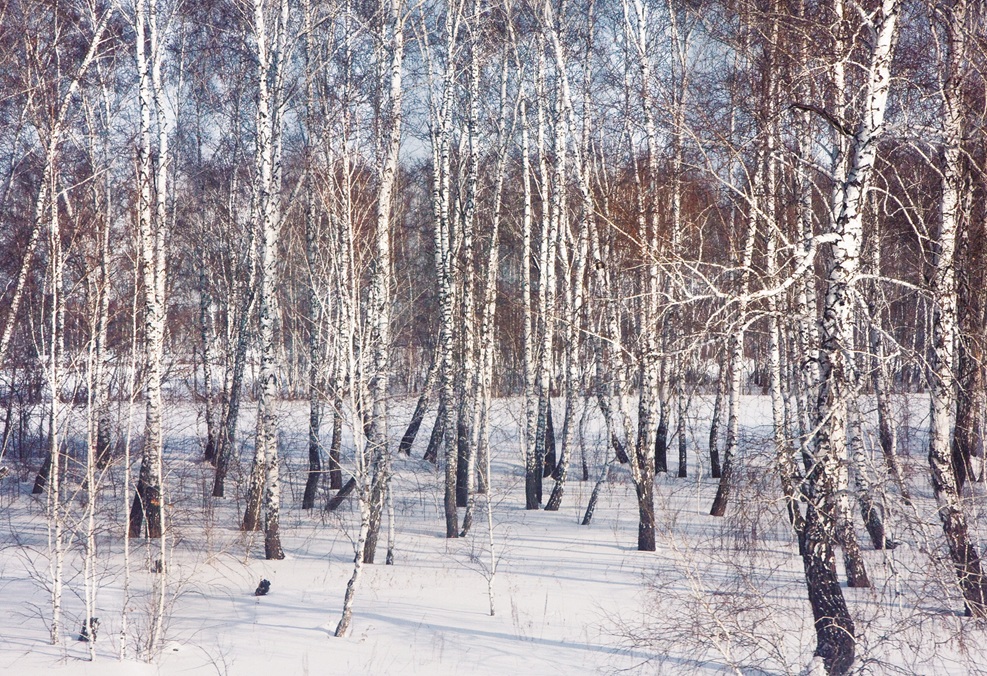
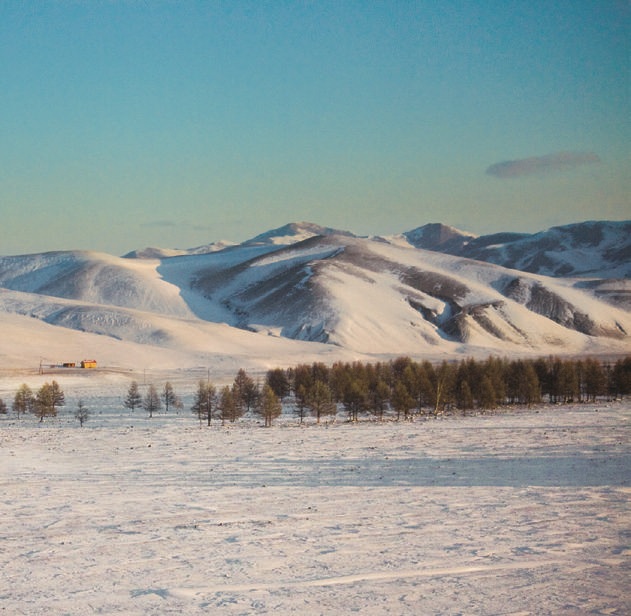
In contrast, the snowy terrain of Siberia shows just how unforgiving and cold the temperature can become.
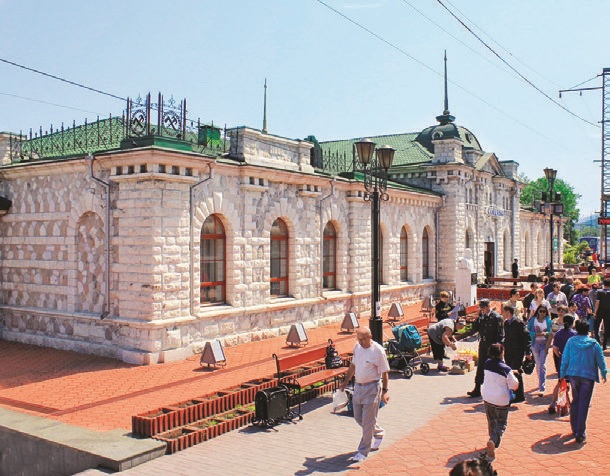
Slyudyanka station is a must-visit, constructed from locally sourced marble and resplendent even to this day.
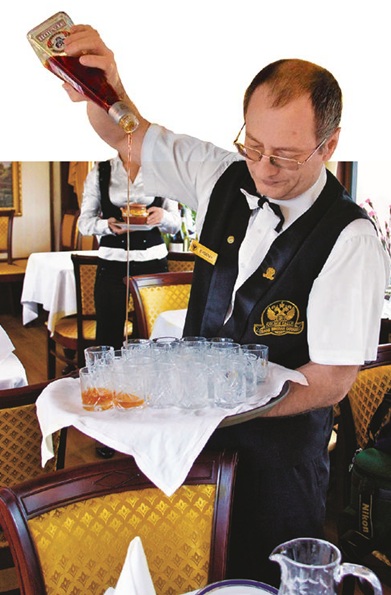
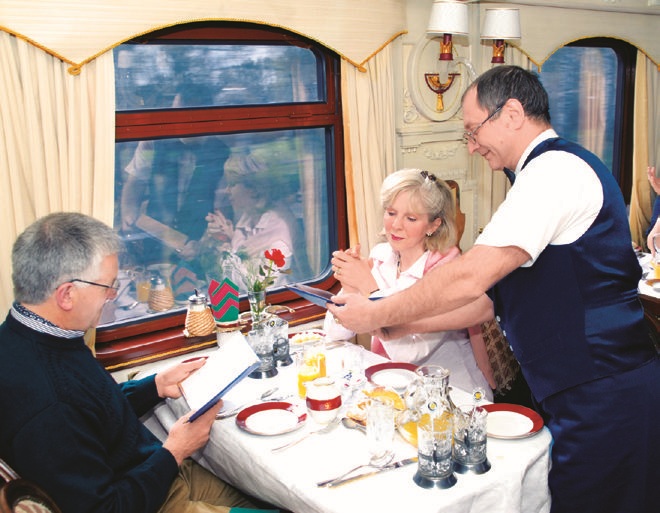
Bunks on the train are located in compartments, and different classes of cabin are available to suit all budgets and required levels of luxury. Occupants range from tourists wanting an authentic slice of outback Russia to workers using the railway as the ultimate commute. Matronly landladies waddle down the aisles of the train, keeping tidiness and instilling order with the wag of a finger. A dining cart is the place to sit and fraternise with passengers. Mountains, trees, meadows, valleys and lakes and even desert – the sands of the arid Gobi – flash by as you tuck into your provisions, sleeping and then waking by turn, taking in the splendour of nature and interacting with station hawkers selling authentic Russian floppy-eared hats and intricately made babushkas for a dip into authentic Russian culture.
The hats are a wise purchase, as it can get cold – bitterly so. Temperatures plunge to a point where you imagine even icicles want to shiver, as the thermometer drops to minus 60°C in parts of Siberia. There is plenty to keep you warm though. A few shots of vodka to ignite the fire within, layers of clothing and blankets to keep you snug and perhaps the glow of conversation or an intense game of cards will be enough to warm the cockles of your heart.
While the carriages, their drivers and the purposes of the track may have changed over time, one aspect that will never fade is the mystique of a journey on Trans- train trip. It can be a time to reflect, explore and open the mind to new adventures. It is an authentic experience and for a generation accustomed to high-speed flight and instant results, a rite of passage toward understanding cultures past and present, across geopolitical divides, one station at a time.

