In collaboration with Convergence, VOICE OF ASIA is proud to present timeless articles from the archives, reproduced digitally for your reading pleasure. Originally published in Convergence Volume 23 in 2014, we present this story on Tommy Hilfiger and his impact on America’s fashion landscape.
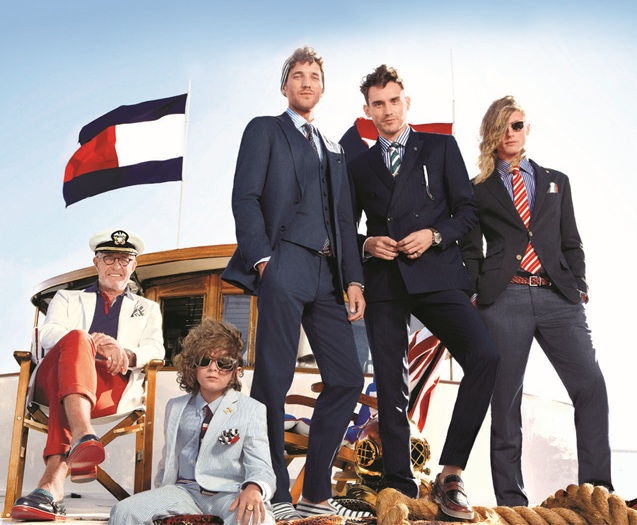
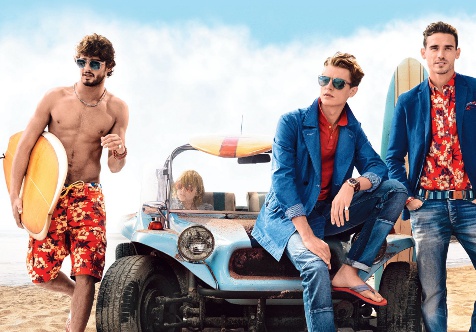
Tommy Hilfiger the brand has achieved global recognition as a premium label that offers a wide range of quality apparel, accessories and lifestyle products, a style front-liner and the purveyor of hip, preppy, all-American style. In this issue of Convergence, we tell the story of the man behind the brand, and how Tommy Hilfiger turned a passion for popular culture, fashion and rock n’ roll into a multi-billion-dollar fashion empire.
Did You Know? Hilfiger takes an avant garde approach to marketing – a successful 1997 ad campaign showed his new ‘Athletics’ line worn by men and women on a sports field, with the clothing caked in mud. Customers loved that he showed clothing in a ‘real-life’ scenario.
The Age of Rock
The name Tommy Hilfiger is now known as a brand, but the man behind the fashion house is a style icon and a relentless businessman, starting early as a young teenager in Elmira, upstate New York. In the 60s and 70s, the hippie revolution was building, and the clean-cut youth of Hilfiger’s neighbourhood were craving a slice of the hippie fashion scene: bell-bottom jeans, fringed vests and long hair, with psychedelic rock as the soundtrack to their lives.
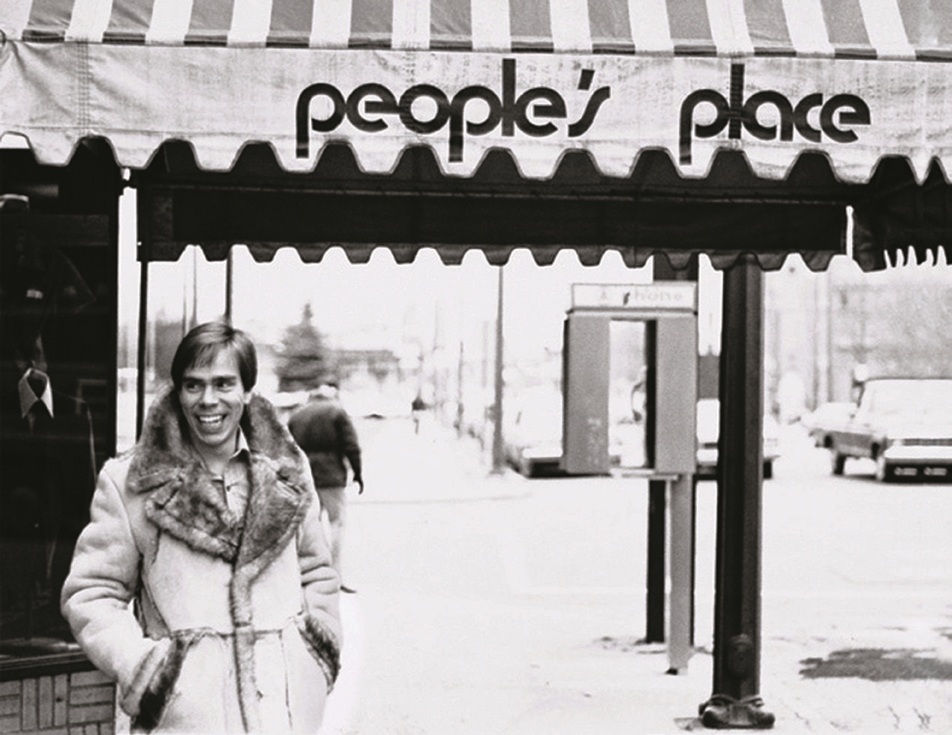
Hilfiger himself developed an obsession for rock music, the culture that surrounded it and the rockstars themselves – the cool demeanour reinforced by casual, slightly deconstructed outfits, the fun- having, and the upbeat, vibrant attitude to life. He found creative expression in modifying his store-bought clothes, mimicking the style of that period by changing details here and there: a pocket, buttons, sleeves, colours. It was around this time that he discovered he could offer the same kind of outfits to the many others like him, who were not as gifted as he was in the elements of fashion.
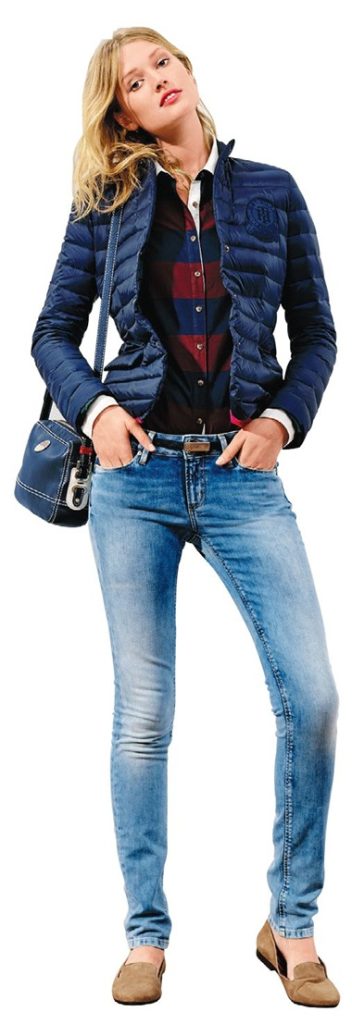
In 1969, while still in high school, Hilfiger and two of his friends pooled their life savings – USD150 for Hilfiger – and opened People’s Place, a clothing store where they not only displayed fashion items but also stocked accessories, incense, music records and eight-track tapes, all bought by Hilfiger in New York City and then re-sold at a markup. The store was an instant hit, being the only place the youth could get their hippie-culture supplies, and soon, the store was not only frequented by teenage fashion enthusiasts, but young musicians as well, including a then-unknown Bruce Springsteen.
People’s Place became so popular that it turned into a chain of ten stores, further inspired by the booming British rock scene of which Hilfiger was a fan. With the growth of his business, he also began a gradual shift from retailer to designer, when he started customising all the items sold in his stores, changing them just enough to make his mark recognisable to customers. Unfortunately, the economy of the time took a turn for the worse and hit his business hard, forcing the closure of all ten outlets.
Go Big or Go Home
When his first store was shut down, the highly ambitious Hilfiger was pushed to find an alternative outlet for his creativity. For a short while, he worked for American clothing company Jordache, where he built himself a reputation as a hard-working, young designer. A year later, he received job offers from fashion brands Calvin Klein and Perry Ellis, both of which he turned down.
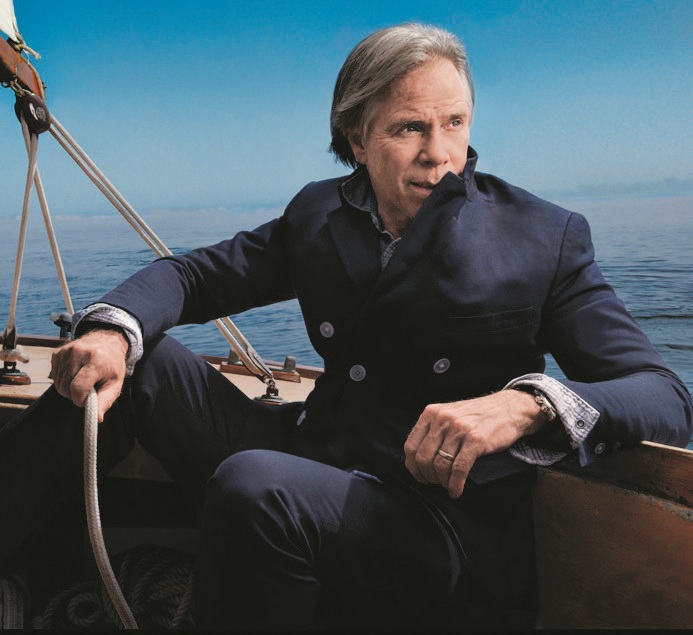
“I knew exactly what I wanted to do. I wanted to build a branch of clothing around my own attitude and lifestyle,” Tommy Hilfiger said of that period in his career.

In 1984, an opportunity – and financial backing – presented itself in the form of business mogul and millionaire Mohan Murjani, who invited Hilfiger to head a menswear line, allowing him to design under his own name. Hilfiger seized the chance and began an aggressive and bold self-promoting campaign – he ordered a huge billboard to be set up in New York City’s Time Square, brazenly proclaiming the Tommy Hilfiger brand as ‘the next big thing in American fashion’, announcing himself in the same league as established designers.
“I think I am the next great American designer,” Hilfiger said in an interview. “The next Ralph Lauren or Calvin Klein.”
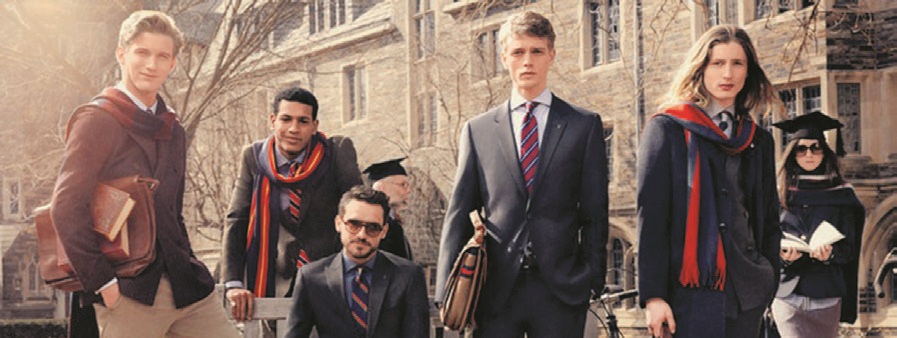
His tactics worked. Before long, the fashion industry was abuzz with his controversial debut and everyone was talking about him and his label, which consisted of preppy, classic and smart casual pieces in his trademark red, white and blue. The publicity led to his signature designs flying off the shelves, and by the 90s, music stars and celebrities were wearing Tommy Hilfiger.
Changing Times
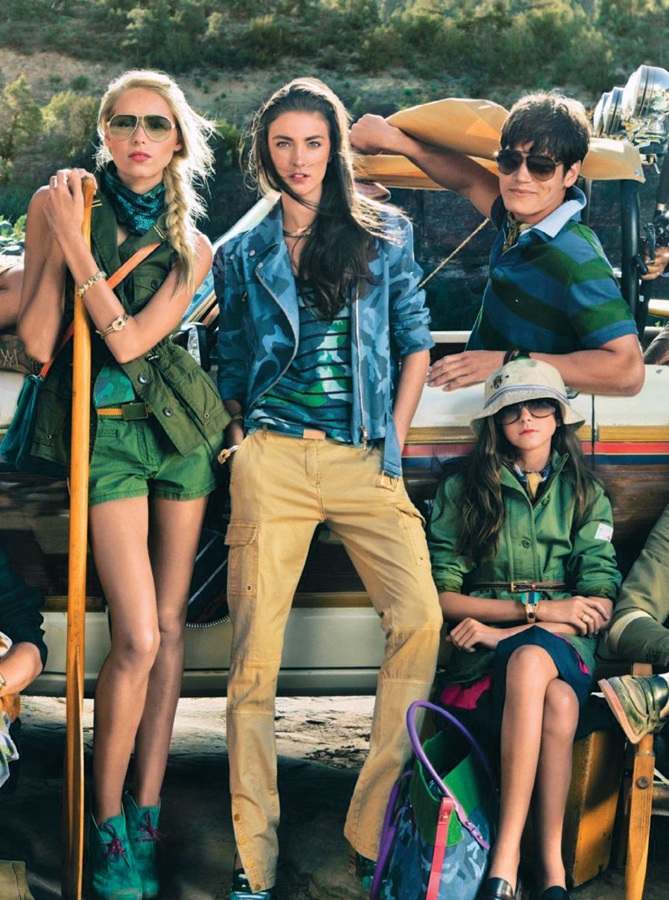
The designer noticed that his clientele was ever-changing and increasingly diverse. As a businessman, he understood the value of reinventing his fashion line to meet demand, and so he expanded from just business casual for men to streetwear styles, womenswear, childrenswear, fragrances and home collections. Famous personalities were drawn to his fashion line, especially musicians and rock stars – his original inspiration – among them David Bowie, Beyoncé, Enrique Iglesias and rapper Snoop Dogg.
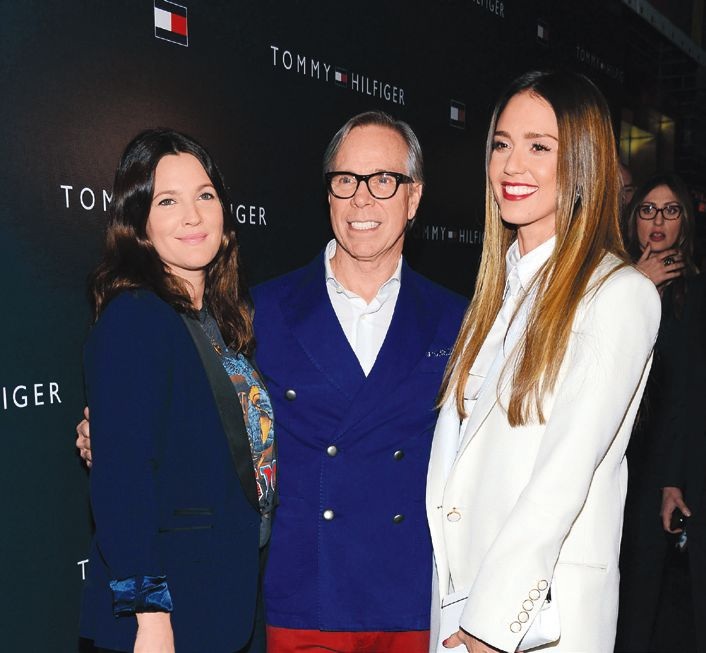
The Tommy Hilfiger lifestyle brand increasingly gravitated towards the merging of fashion, music, pop culture and entertainment, appealing to a wide range of consumers. The label now defines ‘all-American cool’ and shares it with the rest of the world, modernising and updating such American classics as button-down shirts and chinos for both men and women.
“Before we design anything at Tommy Hilfiger, we always ask: Does it reflect fun, vibrancy, pop culture, colour, youth and the enjoyment of life? If the answer is yes to all, we go ahead,” said the designer. “That’s what we are about.”
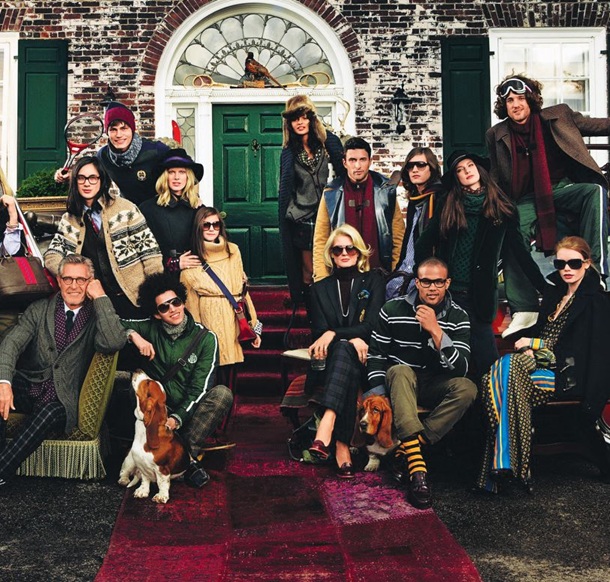
In his own way, Tommy Hilfiger is a rockstar businessman, influencing the young and the young at heart, and garnering an enthusiastic response from his fans, both common folks and rockstars. The brand stands for the celebration of the iconic American lifestyle, and the great American Dream of fame and fortune. Armed with a natural business acumen and a seemingly endless passion for music, he was able to not only chase the dream, but catch it and build into a reality so grand that it has touched his fellow countrymen, as well as people from all over the world.