

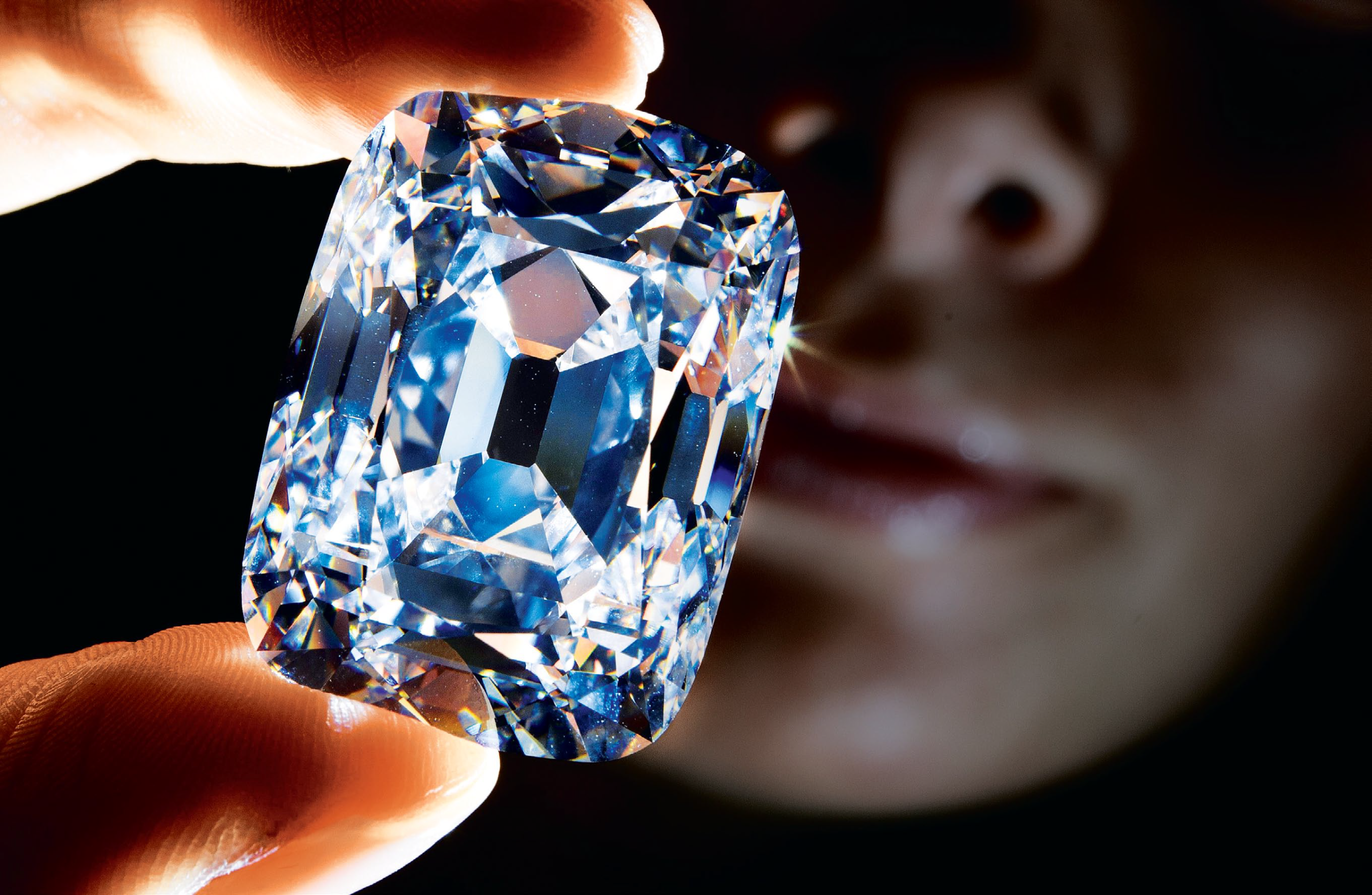
In collaboration with High Life: Living the Good Life, VOICE OF ASIA is proud to present timeless articles from the archives, reproduced digitally for your reading pleasure. Originally published in High Life Volume 1 in 2017, we take a look at diamonds, from when they are dug out of the earth to polished priceless pieces.
Since the advent of the engagement ring industry and the age of Hollywood glitz and glamour, diamonds have become regarded as a symbol of opulence, class and wealth. These precious stones emanate with glamour and status, causing its wearer to emulate these qualities and walk anywhere in style and high couture. In addition, these crystals are known for their strength and purity. Its luminosity brings light to the wearer, thereby casting positive energy towards the person, enabling the ease of luck and prosperity to come their way. Genting’s visitors are residents of the realm of wealth and prosperity, as they constantly find new and innovative ways to maintain their affluence and status. Now, HIGH Life gives these readers a chance to learn more about the history of these lavish gems and how they have come to be the most popular crystals in the world.
Diamonds have long brought luck, protection, health and wealth to its wearer. But more so, diamonds are a multibillion- dollar business, with the worldwide retail market for diamond jewellery amounting to $60 billion in 2010. The diamond business has many segments, consisting of miners and producers, cutters and polishers, jewellery manufacturers and retailers. It’s also a lucrative family business for some of the more illustrious names in the industry such as Oppenheimer, Mouawad and Graff.
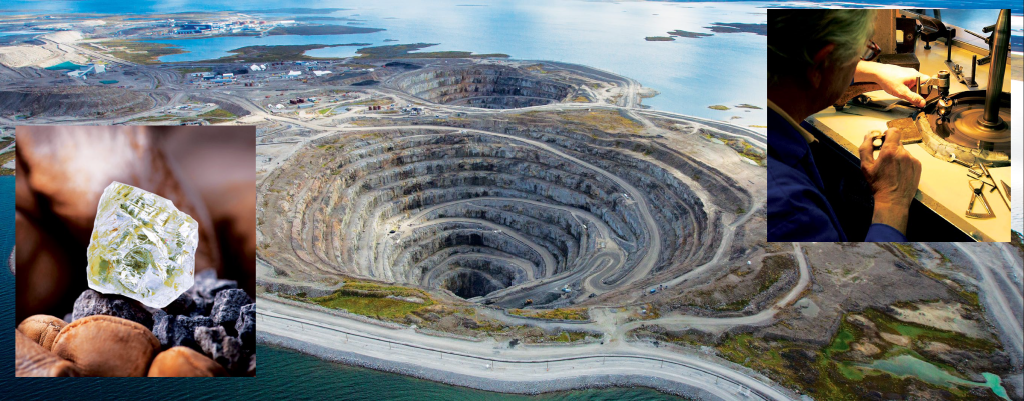
Mines & Producers
About 133 million carats of rough diamonds are produced every year with Botswana and Russia being the two largest producers of diamonds in the world. Following closely behind are Australia, Angola, Namibia and Canada. In terms of producers, four major companies control about 65% of the market. These are De Beers, Alrosa, BHP Billiton and Rio Tinto, with De Beers having a stake in 35% of the market followed by Alrosa (20%). There are only about 20 diamond mines in the world today, with 11 mines making up 62% of the world’s production of diamonds by carat.
Production of diamonds varies according to mines, and for the world’s wealthiest mine – the Jwaneng mine in Botswana – about one tonne of rocks have to be moved to get 1.4 carats of rough diamond. In a year, the same mine moves about 8 million tonnes of rock and sells the rough diamonds for $134 a carat on average, which works out to $1.5 billion in revenues. The mine produces a profit margin of 24%.
Cutting & Polishing
Moving along the supply chain, the producers sell their rough diamonds to intermediaries who cut and polish the diamonds. In this process, the rough diamonds lose about an estimated 50% to 60% of their weight. Other sales are made through auctions with De Beers selling its rough diamonds to clients it calls “sightholders”.
Cutting and polishing in the past were done in just a few centres namely Antwerp, Tel Aviv, New York and Russia but today, most of the smaller stones that are less than 3 carats are cut in India and China because of lower labour costs. To compare, it costs about $100 a carat to cut a diamond while in India, it costs just $10.
Today, production costs are further lowered with the existence of sophisticated computer programmes that work out more efficient cutting and polishing methods.
Jewellery Manufactures
Once they are cut and polished, jewellery manufacturers take over the process, with sales taking place in the central and regional offices of the diamond cutters as well as exhibitions around the world. Two major exhibitions are held in Hong Kong and Las Vegas every year. Some of the more well-known jewellery manufacturers include Tiffany, Cartier, Bulgari, Louis Vuitton, Gucci and Chanel, and they also act as retailers. But there are those who do not brand their work as well, and 80% of these players hail from China and India. But branding is big business and established names like Cartier and Tiffany command a higher premium for their diamond rings compared to the same ring that is unbranded.
The diamond industry has had high expectations for the demand for diamonds, attributed to the emerging middle class in China, India and Latin America, with sales seeing a spike in those regions. Hence, prices for bigger and higher quality diamonds have risen.
DE BEERS & THE OPPENHEIMERS
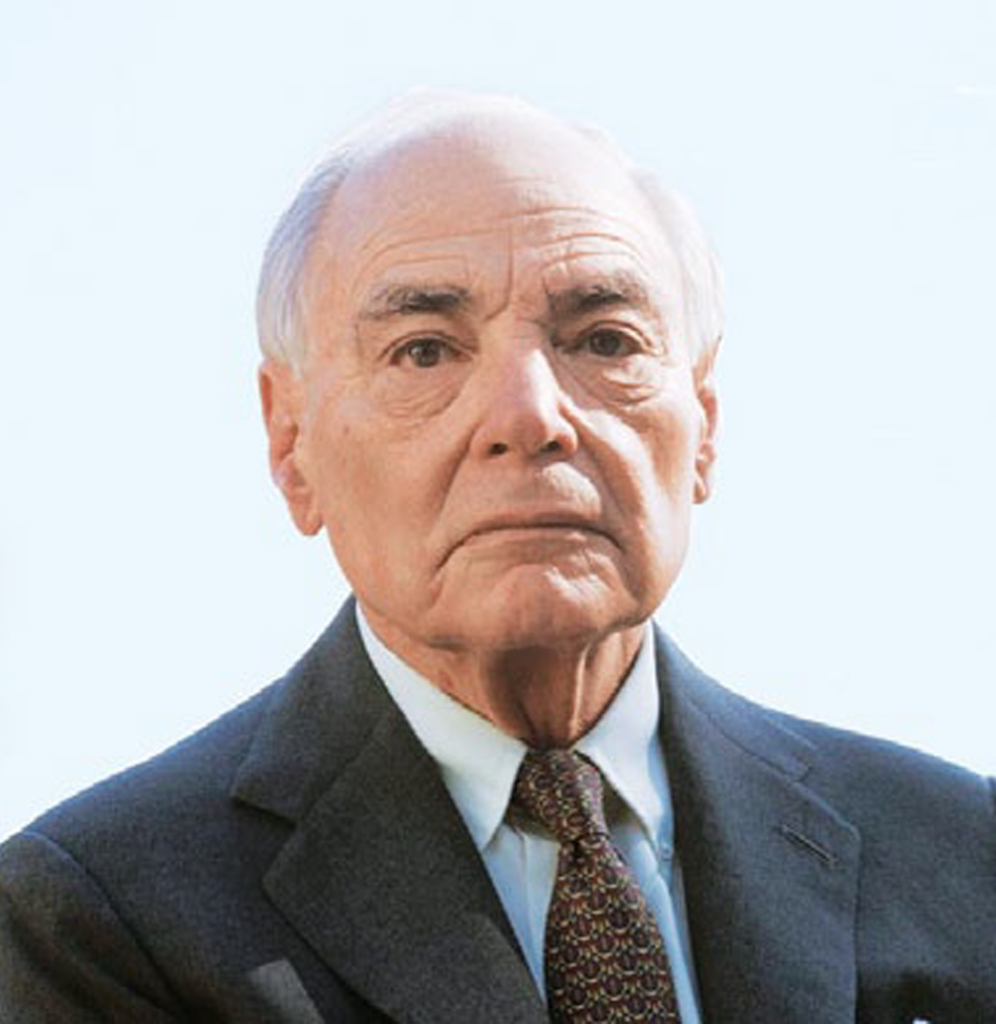
Historically, De Beers, as the world’s largest diamond miner and distributor, has controlled diamond prices for decades because of its monopoly on global production. However, since selling much of its inventory from 2002 to 2007, it no longer has a such a strong influence on the market.
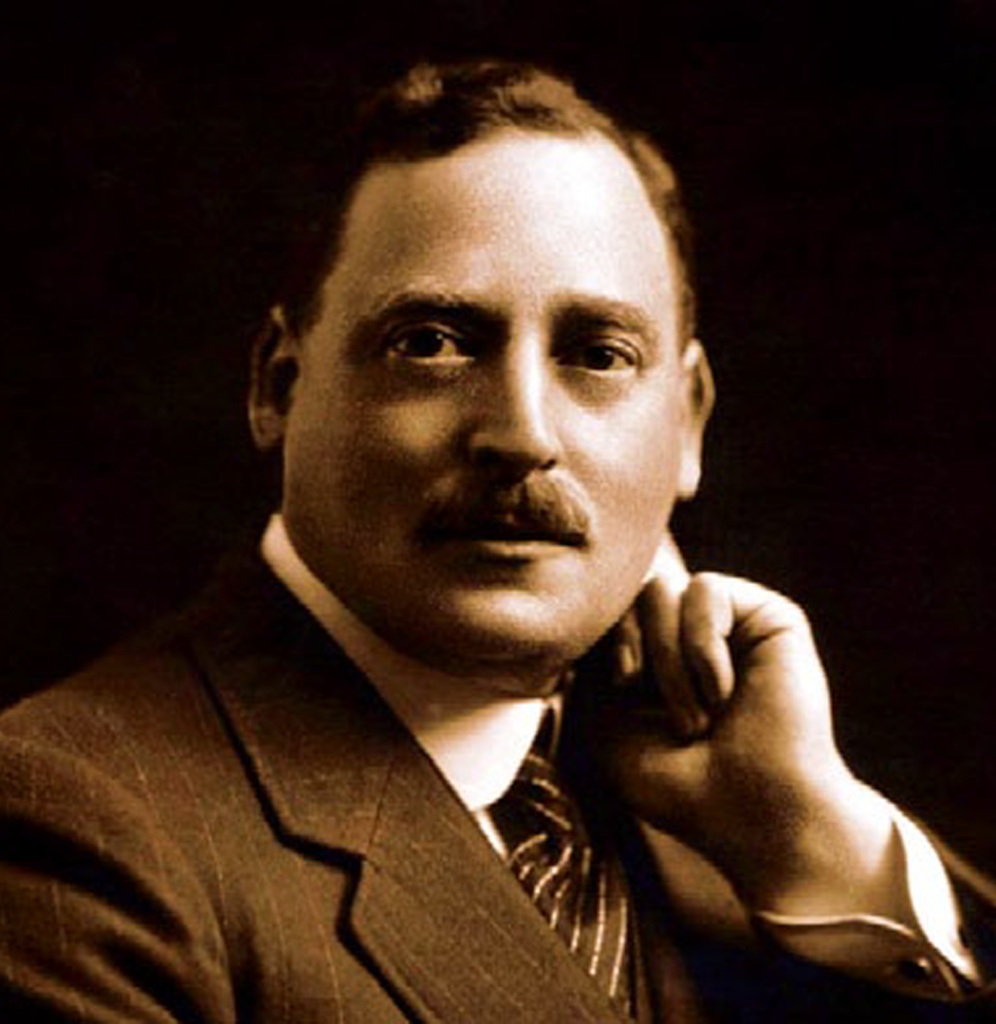
Indeed, it would be remiss to not highlight the influence and sphere of De Beers, the world’s most important diamond mining and marketing firm that was controlled by the Oppenheimer family since the late 1920s. The clan created this particular brand of diamond that is so easily recognisable by people today. Under the Oppenheimers, De Beers built the Central Selling Organisation, the cartel that regulated global diamond prices and supply for more than half a century. They spearheaded the “Diamonds are Forever” marketing process and were instrumental in the development of the Kimberley Process, a scheme to halt the sale of blood diamonds.
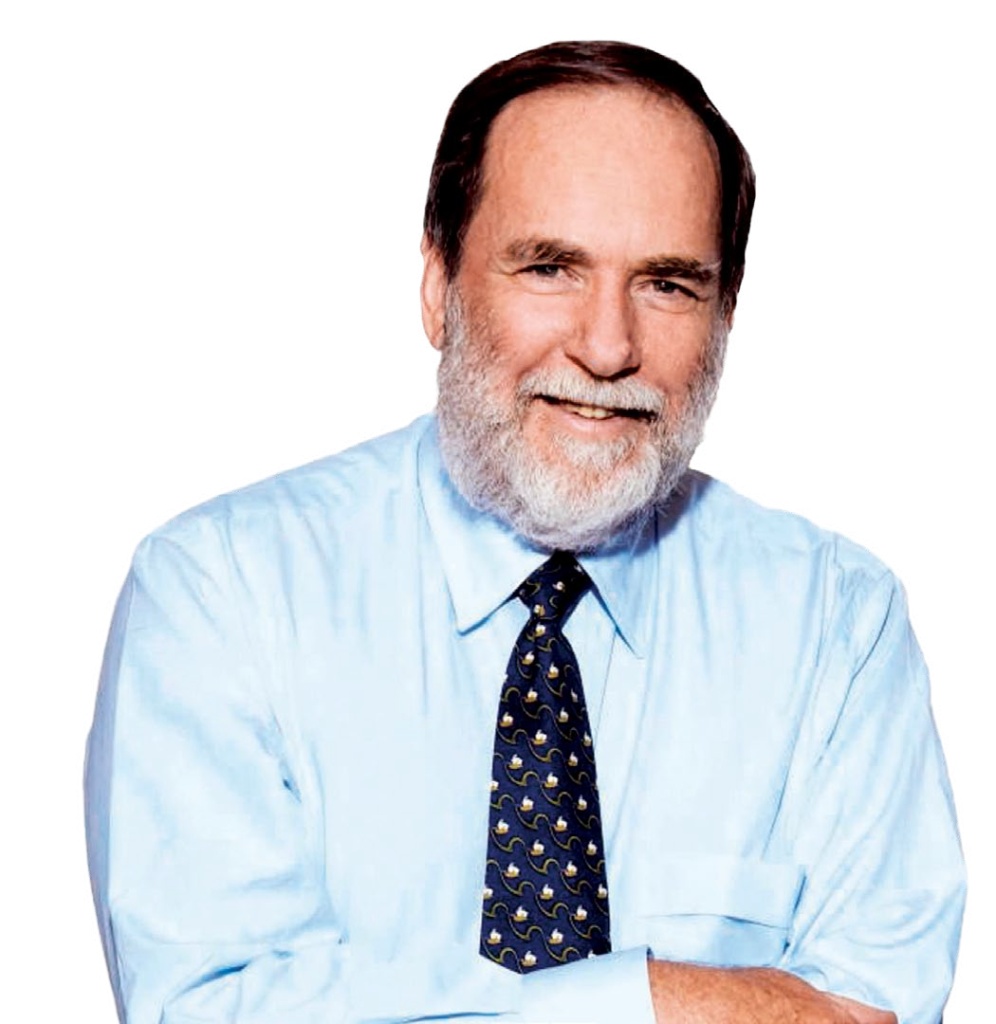
Ernest Oppenheimer, a German by birth, founded the family empire when he immigrated to South Africa in 1902. It was also the same year that Cecil Rhodes, De Beers founder, died. Backed by J.P Morgan, Oppenheimer took over De Beers in 1919 when he traded a diamond mine in Namibia for some company stock. He bought up more and more of the company over the next decade. In 1957, his son Harry became head of Anglo American, a mining and metals company formed by Ernest during World War 1 and chairman of De Beers Consolidated Mines Ltd. Under his leadership, De Beers expanded its business. He stepped down as chairman of De Beers in 1987, with his son Nicholas taking over the reins in 1998. Nicky, as he was known, exited the family business in 2012, selling his 40% stake in De Beers to mining conglomerate Anglo American for $5.1 billion in cash.
MOUAWAD
The Mouawad Company began with David Mouawad who learned watchmaking, goldsmithing and jewellery-making in New York and Mexico for over two decades before returning to Beirut in 1891 where he opened a small shop trading watches and repairing jewellery. He also made intricate clocks and one-of-a-kind pieces commissioned by wealthy clients.
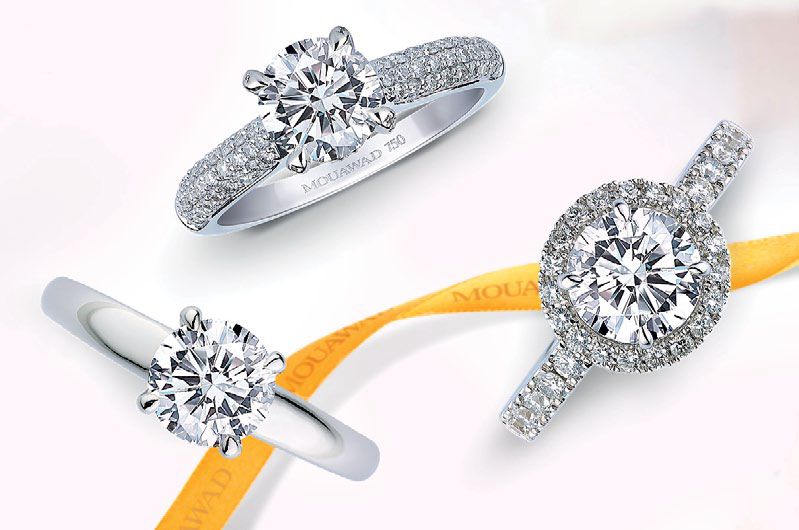
Today, the luxury goods company makes fashion accessories, jewellery as well as its retail arm which sources for diamonds and gemstones, designs, manufactures and sells jewellery collections, art and luxury watches. It has offices in Switzerland and the Middle East.
In 1950, David’s son Fayez expanded the business when he moved to Saudi Arabia, capitalising on the nation’s oil wealth and making personalised jewellery for the wealthy Saudi royal family and aristocrats. In the 1970s, under Fayez’s son Robert’s leadership, the firm moved into the European and worldwide market, moving the headquarters to Geneva, Switzerland. Robert purchased some of the world’s largest diamonds, taking big risks with the firm but he also expanded the brand into Europe, Asia and North America. In the early 1990s the Mouawad brand added watches into its bevy of products.
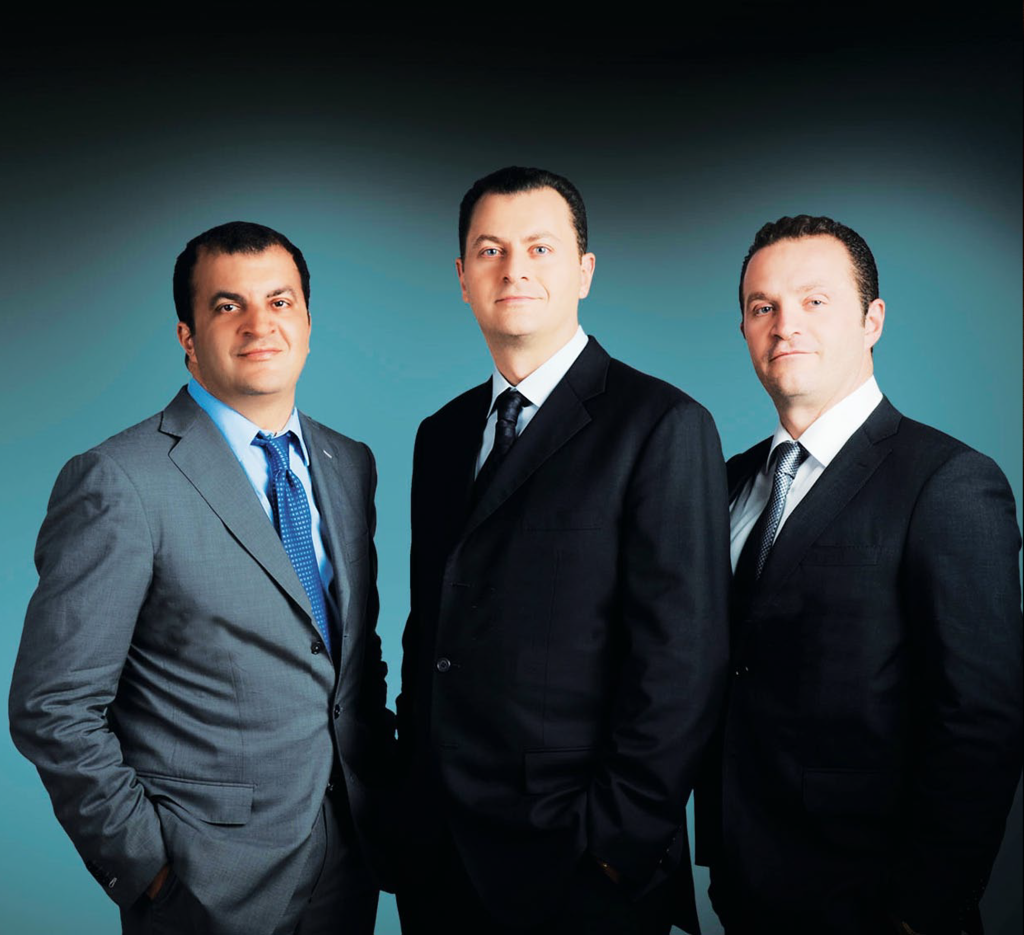
In 2010, Robert left Mouawad to focus on his other ventures like real estate, his museum and the Robert Mouawad Foundation. He turned over the reins of the family’s high-end jewellery business to his sons Fred, Alain and Pascal.
GRAFF
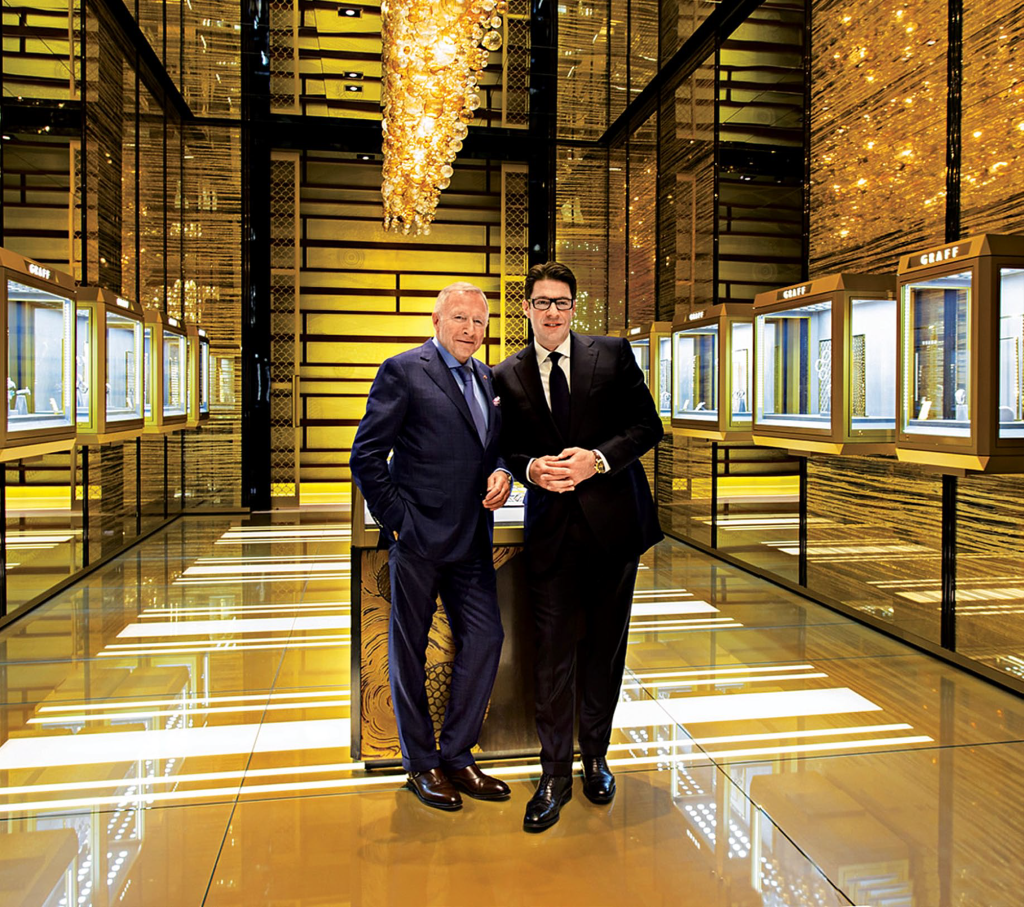
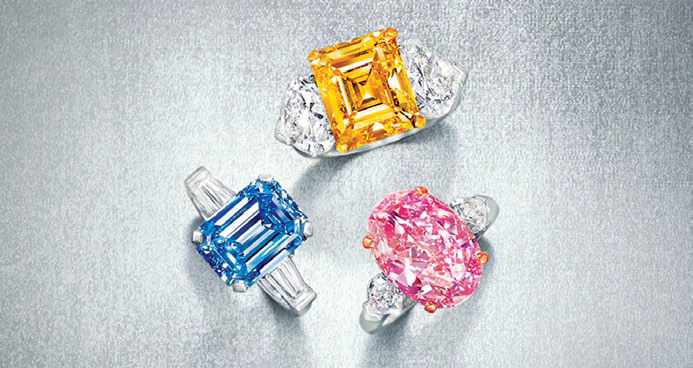
Renowned as the King of Diamonds, British jeweller Laurence Graff is the founder of Graff Diamonds, which is famous for its rare and giant gems. Some famous baubles owned by him include the rare Graff Pink diamond which is 24.78 carats, the Lesotho Promise, a hefty 603-carat diamond from South Africa and the Wittelsbach diamond which he bought for £16.4 million.
Graff started his career as jewellery apprentice at 15 in London’s Hatton Garden. He had a few failed stints at jewellery stores before designing and selling his own designs. By 1960, he founded his luxury brand, Graff Diamonds. Today, it has close to 60 boutiques around the world and his clients include the Sultan of Brunei, Oprah Winfrey, the late Elizabeth Taylor and Donald Trump.
Today Graff is completely vertically integrated in the diamond business, with a 15% share ownership in Gem Diamonds – which owns 70% of the Letseng diamond mine in Lesotho – through his cutting and polishing facilities in Botswana, Johannesburg, Antwerp and New York; the wholesale business selling diamonds to the jewellery trade, design, creation and crafting of Graff jewellery. Not to mention the retail arm with boutiques and points of sale around the globe.
His son Francois is CEO of Graff Diamonds International and Laurence is Chairman. Meanwhile, Laurence’s brother Raymond has been production director for more than 50 years and his nephew Elliott, who is also a director, oversees sourcing, polished-stone procurement, jewellery design and manufacture.
In his quest for perfection, Laurence has raised the science and craft of diamond cutting to a whole new level. He has also pioneered the mine-to-market business model, bringing the different sectors of the diamond supply chain together.
Just as a diamond is formed after being placed under intense heat and pressure, the successes of these glittering superstars of the diamond business are the results of them being fuelled by the fire of passion for excellence, and their ability to withstand and triumph over the challenges that the industry has placed on them. As a world-leading organisation, Genting is familiar with that burning desire to be the best, and like how De Beers, Mouawad and Graff are the shining stars of their industry, the Genting Group is driven to be the blazing diamond of the entertainment and hospitality world.

