

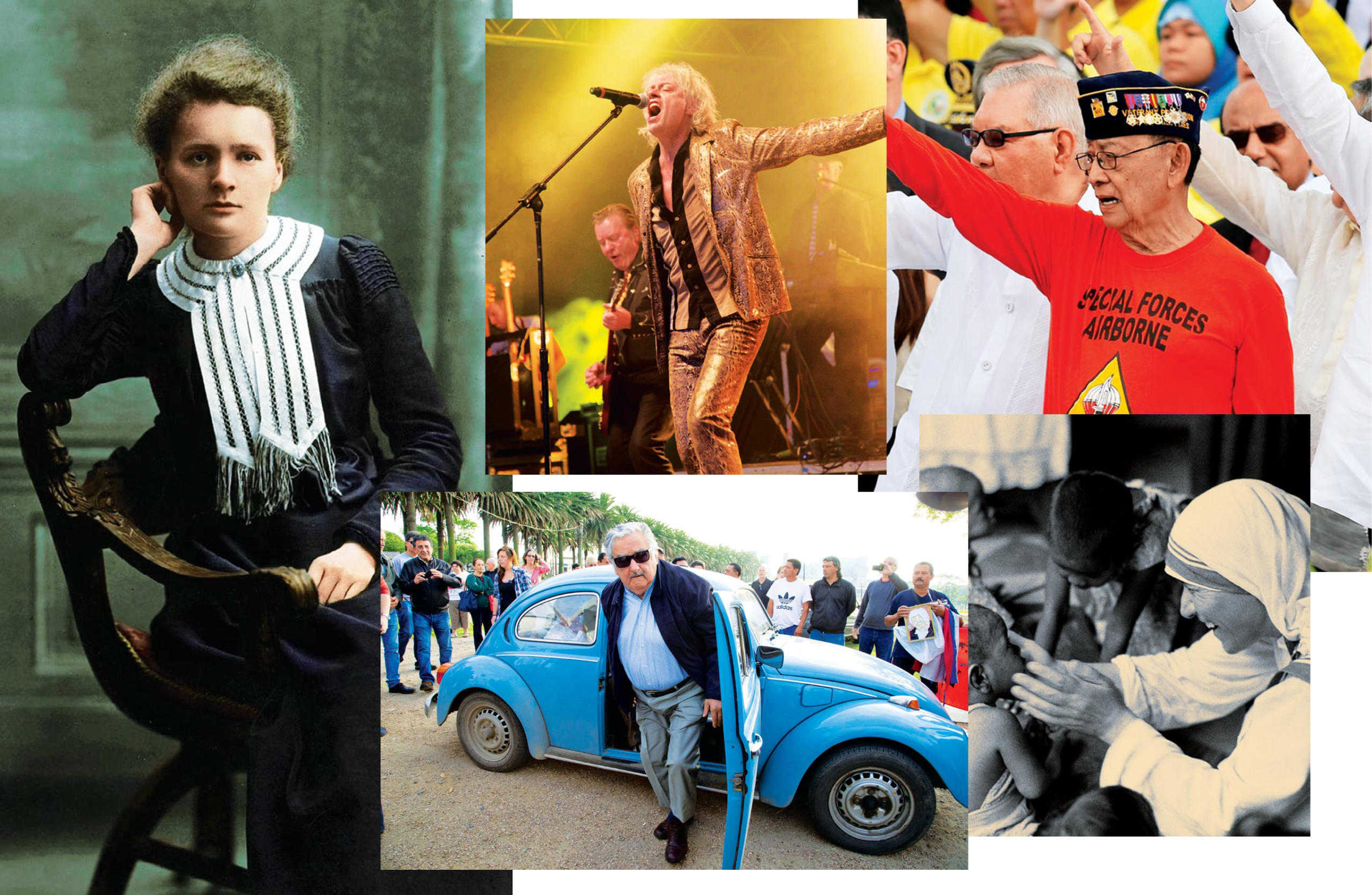
In collaboration with High Life: Living the Good Life, VOICE OF ASIA is proud to present timeless articles from the archives, reproduced digitally for your reading pleasure. Originally published in High Life Volume 2 in 2017, we honour the people with humble starts, not forgetting their roots when they rose to prominence.
It is said that beautiful things do not ask for attention. Well, HIGH Life wants to commemorate, celebrate and give due respect to the people who, instead of standing above us with power, stood by our side. They are the salt of the earth – not just great leaders, but great individuals who cared for the wellbeing of the people. Truly, the people’s champions through and through.
What makes these individuals stand out were their humble origins which act as statements to everyone that all it takes to reach the heights of success is the drive in you to grow and expand, like little green shoots – growing and eventually becoming a strong tree.
To grow, to improve and to give back to the community are values held by Genting. The Genting Group contributes to various charities, foundations and sectors of the community to support the underprivileged and less fortunate through donations and even volunteerism among employees. Genting aims to give back and provide a helping hand whenever it can. Just like many CEOs, policy makers, and corporations around the world, giving back is an essential part of fostering ties with the community.
The individuals on this list are fine examples of greatness from small beginnings, like the late Tan Sri Lim Goh Tong, who also rose from humble beginnings to great heights of attainment. His ingenuity, single-mindedness and dauntless courage in meeting challenges have enabled him to build the Genting resort that we know and love today.
Jose Mujica
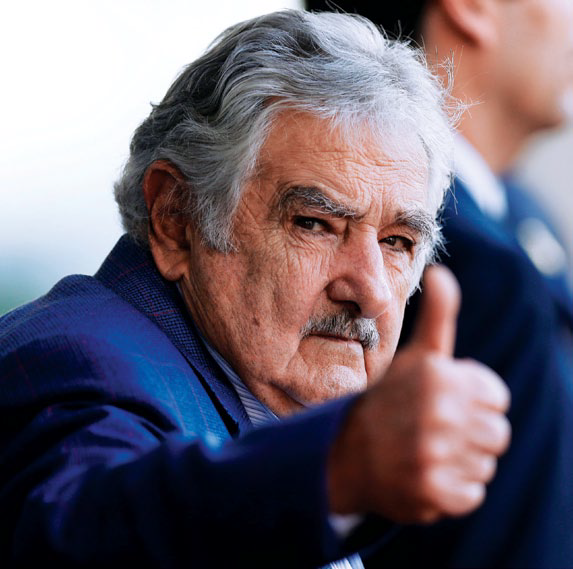
Jose “Pepe” Mujica, dubbed “the world’s humblest politician,” was much loved by his people and the world over. He was the President of Uruguay from 2010 to 2015, and what made him so adored is the fact that, despite wielding power, he adhered to a humble lifestyle.
During his time in office, Mujica shunned the luxurious and extravagant lifestyle; 90% of his salary went to charity, leaving his income roughly equal to the average wage in Uruguay of US$775 a month. In an interview, he explained, “I’m called ‘the poorest president,’ but I don’t feel poor. Poor people are those who only work to try to keep an expensive lifestyle, and always want more and more.”
During his time in office, Mujica lives on a small farm on the outskirts of the capital Montevideo with his dog Manuella and two police officers for security. Then as now, he drives a 1987 blue VW Beetle and even picks up hitchhikers on occasion.
Truly, Mujica is unlike any other politician. He has so much faith and trust for his people that it even goes beyond his safety and security as a world leader.
Mujica lived through horrific ordeals for opposing the country’s former dictatorship. He was shot and was even put in jail for 14 years. Living through that has really made him who he is today. He knew that if he would become a leader of the country, he wouldn’t let history repeat itself. It is said that the leader of a nation is its first servant, and Jose Mujica lived that.
Sir Bob Geldof
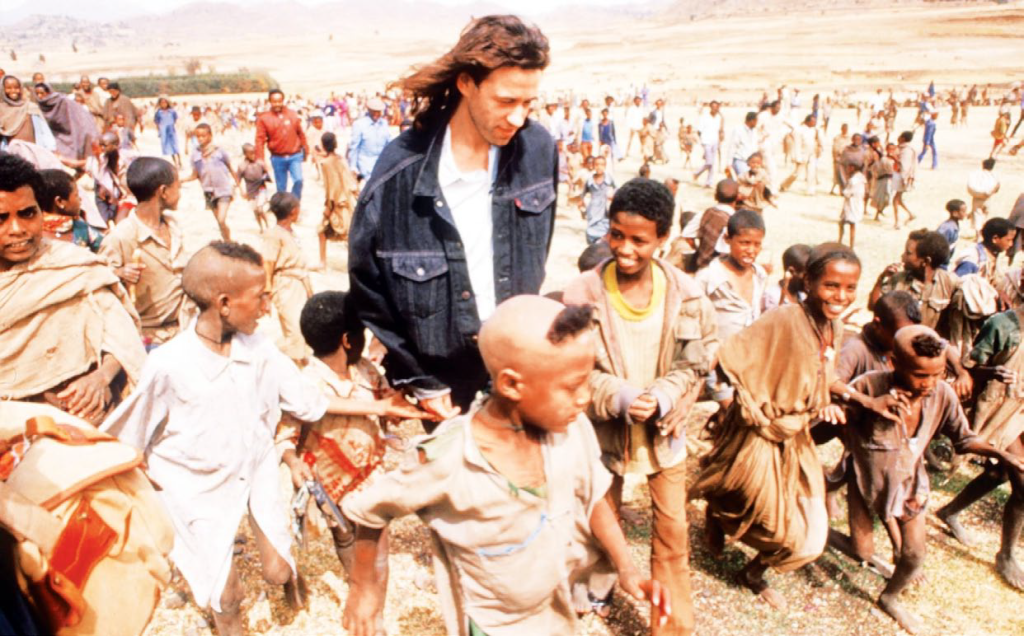
The lead singer of the Irish rock band The Boomtown Rats, Robert Frederick Zenon “Bob” Geldof rose to fame in 1975. Dedicating himself to becoming more than a singer, songwriter or rock star, Geldof committed himself to activism and philanthropic work, especially concerning poverty issues in Africa.
Moved by the pictures of famine-stricken Ethiopia that he had seen on television, Geldof established the pop charity Band Aid Trust in 1984, which raised US$8 million for famine relief in Africa. And in 1985, he organised simultaneous Live Aid charity concerts that were held in London and Philadelphia, raising US$48 million. It was a unique musical event that captured the world’s attention.
Geldof’s Live Aid and Live 8 in 2005 are a few of many charity concerts he held to rock for a good cause. Geldof has been running numerous campaigns for good causes and charities throughout the world. He became one of the leading spokespersons on Third World debt and relief, and continues to raise awareness for the West to pay more attention to the poverty-stricken parts of the world.
Marie Curie
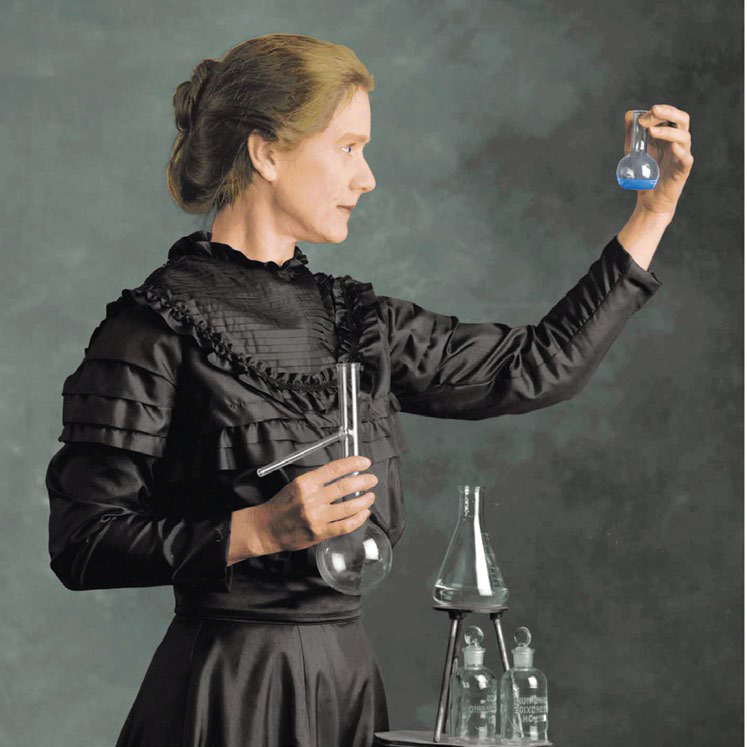
Maria Salomea Sklodowska, better known as Marie Curie, was one of the most famous scientists that ever lived. Her scientific contributions, such as the discovery of two new chemical elements – radium and polonium – has paved the road for many scientists learning radioactivity and X-ray technology in medicine.
In 1903, Marie Curie was awarded her PhD by the Sorbonne and was then awarded the Nobel Prize in Physics six months after. In 1910, she was awarded her second Nobel Prize in Chemistry. She was the first woman to ever win a Nobel Prize and the only person ever to win it twice for different scientific fields.
During the First World War, Marie Curie set up radiology medical units near battle lines to allow X-rays of wounded soldiers to be taken. Over one million injured soldiers passed through her radiology units by the end of the war. Without her scientific explorations into radiation, modern science would have foregone X-ray technology that Curie’s discoveries had brought us.
Marie Curie is remembered as one of science’s “greats.” She stood amongst the world’s greatest minds such as Max Planck, Hendrik Lorentz, Albert Einstein and many more. Einstein even said of Curie, “Not only did she do outstanding work in her lifetime, and not only did she help humanity greatly by her work, she also invested in all her work the highest moral quality. All of this she accomplished with great strength, objectivity and judgement. It is very rare to find all of these qualities in one individual.”
Mother Teresa
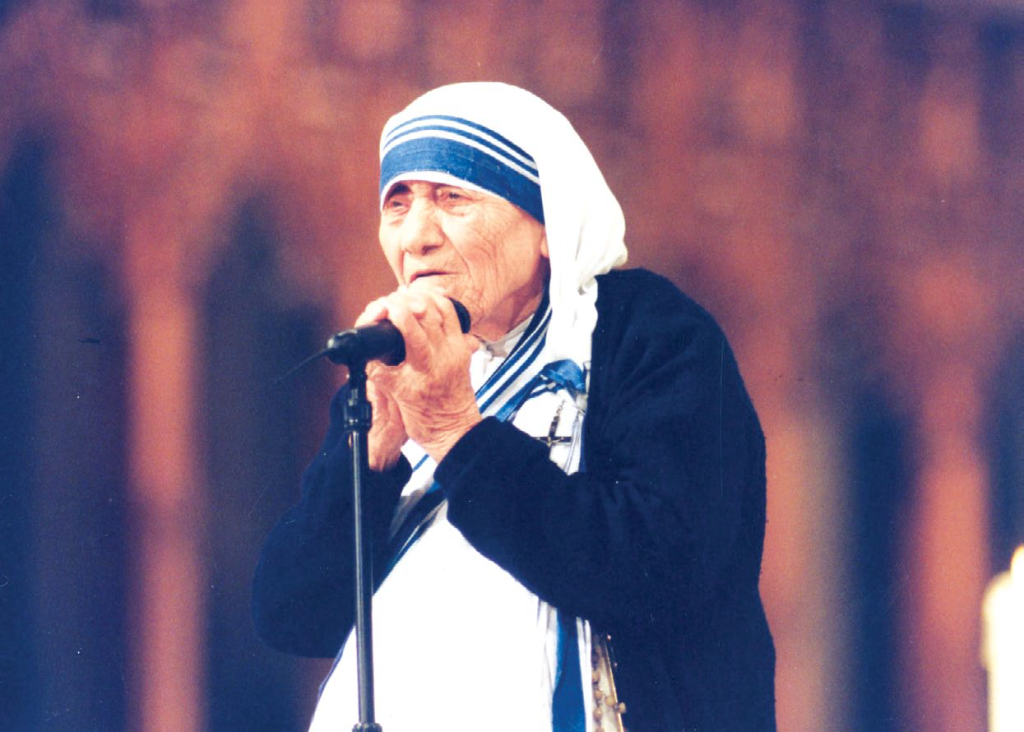
Seeing the suffering and poverty outside the convent walls of St Mary’s High School in Calcutta where she taught left a deep impression on Mother Teresa. It led her to devote herself to working among the poor and the sick, and for over 60 years, she spent her life in the slums of Calcutta.
Despite having no funds to support her cause, she did not waver in her faith and care for the destitute and deprived. She inspired volunteers, and soon after, financial support and donations started pouring in from around India and across the globe, making it possible for her to expand her charity work further.
Her humanitarian effort touched the world’s hearts. Mother Teresa soon received permission from the Holy See to start her own order, “The Missionaries of Charity.” The main task of this order was to help those in need, such as refugees, former prostitutes, the mentally ill, sick children, abandoned children, lepers, people with AIDS, the aged, and those who are recovering from illness.
She empathised and cared for the impoverished. Her commitment to aid those in need made her stand out as one of the greatest humanitarians of the 20th century. Her humanitarian work has been recognised and acclaimed throughout the world, and she has received a number of awards and distinctions.
Fidel Ramos
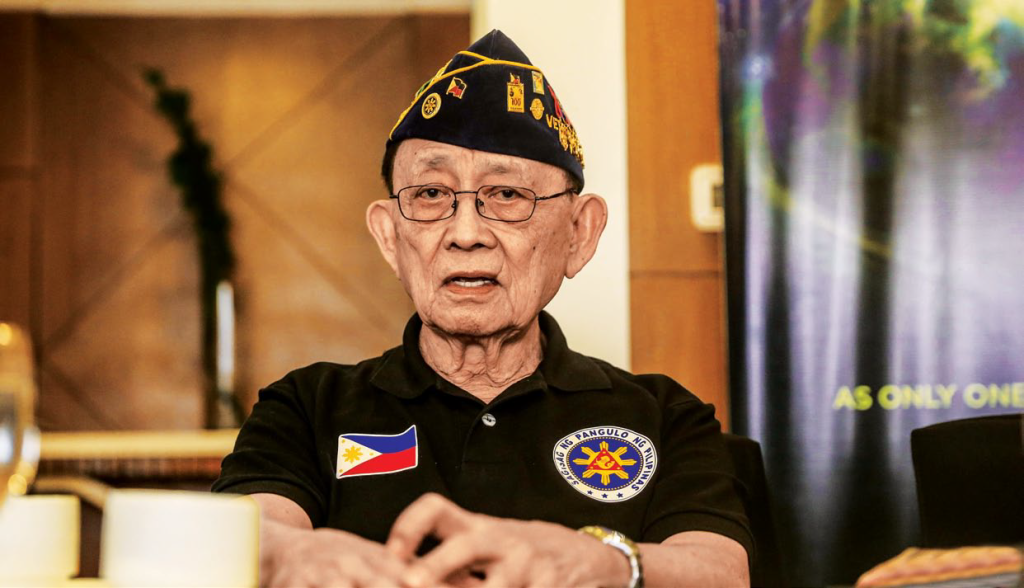
Before he was the 12th President of Philippines, Fidel V Ramos was the Chief-of-Staff of the Armed Forces of the Philippines and the Secretary of the Department of National Defence.
During the historic 1986 EDSA People Power Revolution, Ramos was hailed as a hero by many Filipinos for breaking away from the oppressive and authoritarian administration of then President Ferdinand Marcos. Ramos pledged his allegiance and loyalty to the newly established government of Corazon Aquino. It was a revolution that made history around the world, and a bloodless one despite the presence of tank-riding soldiers from opposing sides. The revolution was deemed to be the first non-violent revolution that ever took place.
After Ramos succeeded Aquino as President, the Philippines experienced a period of political stability and rapid economic growth and expansion. Ramos was widely admired for revitalising and renewing international confidence in the Philippine economy and was also instrumental in securing major peace agreements with communist insurgents and military rebels. This then led to the renewed confidence of investors in the Philippines, thus, making the country more progressive and improved economically.

