
Findings presented at a scientific meeting highlighted LEM´s role in tumor immunity activation and intestinal inflammation suppression.
NSK Co., Ltd. announced that three research studies on Lentinus edodes mycelia-growing Medium extract (LEM), conducted jointly by the company, its group company Noda Shokukin Kogyo Co., Ltd., the Faculty of Pharmaceutical Sciences, Fukuoka University, and the Faculty of Pharmaceutical Sciences, Josai University, were presented at The 146th Annual Meeting of the Pharmaceutical Society of Japan, held in Osaka from March 26 to March 29, 2026.
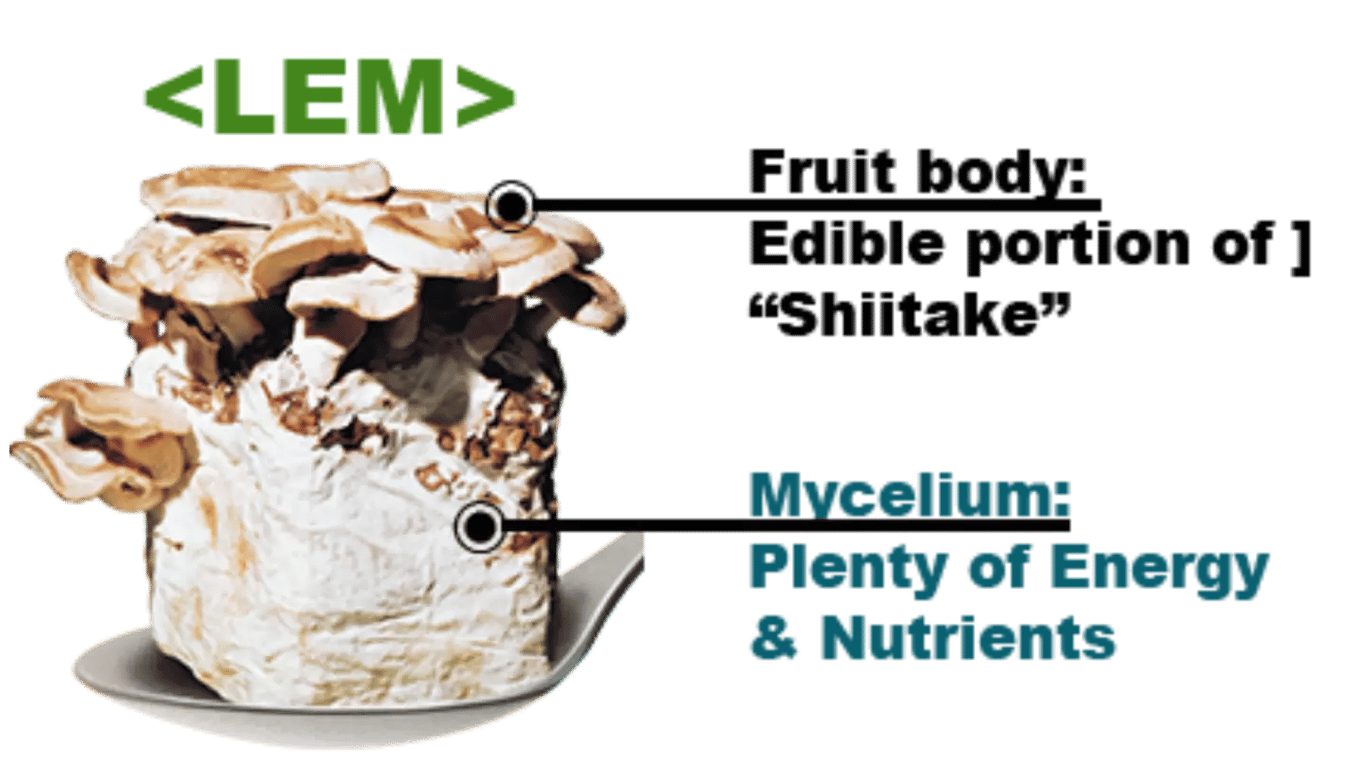
LEM is a plant-based fermented ingredient derived from a solid medium used to cultivate shiitake mushroom mycelia. Previous studies have reported antitumor, immunomodulatory, and antiviral properties. However, its mechanisms of action in areas such as intestinal inflammation and tumor immunity have not been fully elucidated. The three studies presented at the meeting demonstrated new possibilities for LEM in supporting the body’s defense functions from multiple perspectives, including prevention of inflammation in intestinal cells, suppression of inflammatory cytokines, and activation of immune responses.
These findings suggest that LEM may contribute to improving the intestinal environment and regulating immune balance.
Presentation 1
Title:
Preventive Effects of Lentinus edodes Mycelia-growing Medium Extract (LEM) on Inflammation in Caco-2 Cells
Presenters:
Yosuke Otsuka¹, Daisuke Sakamoto¹, Rie Mukai¹, Takahiro Asano², Dai Iizuka², Tomomitsu Sato¹, Keiichi Irie¹, Wilai Parinya¹, Nobuhiro Kashige¹.
(¹Faculty of Pharmaceutical Sciences, Fukuoka University; ²NSK Co., Ltd.)
Presentation Date:
March 28, 2026, 15:30–17:30, Poster Presentation.
Presentation Information Page:
https://pub.confit.atlas.jp/en/event/pharm146/presentation/36078-88-06
Summary:
The study suggested that LEM may suppress inflammation caused by oxidative stress in intestinal cells. In a Caco-2 intestinal epithelial cell model exposed to inflammatory stress induced by H₂O₂, pretreatment with LEM improved cell viability in a concentration-dependent manner, with significant improvements observed at 1.0 mg/mL and 2.0 mg/mL. In addition, expression of Nrf2, a key regulator of antioxidant responses, increased significantly, suggesting that LEM may enhance stress resistance in intestinal cells.
Presentation 2
Title:
Lentinus edodes Mycelia-growing Medium Extract (LEM) Suppresses IL-8 Secretion from H₂O₂-Induced Inflammatory Caco-2 Cells
Presenters:
Daisuke Sakamoto¹, Yosuke Otsuka¹, Rie Mukai¹, Takahiro Asano², Dai Iizuka², Tomomitsu Sato¹, Wilai Parinya¹, Keiichi Irie¹, Nobuhiro Kashige¹.
(¹Faculty of Pharmaceutical Sciences, Fukuoka University; ²NSK Co., Ltd.)
Presentation Date:
March 28, 2026, 15:30–17:30, Poster Presentation.
Presentation Information Page:
https://pub.confit.atlas.jp/en/event/pharm146/presentation/36078-88-10
Summary:
The study suggested that LEM may help suppress inflammatory responses in the intestine. IL-8, an inflammatory cytokine, is strongly secreted during the early stages of intestinal inflammation. When LEM was added to a Caco-2 intestinal epithelial cell model in which inflammation had been induced by H₂O₂, IL-8 secretion was significantly reduced, particularly at a concentration of 1.0 mg/mL. These findings suggest that LEM may be a useful ingredient for managing intestinal inflammation.
Presentation 3
Title:
Analysis of the Mechanism by Which Lentinus edodes Mycelia-growing Medium Extract (LEM) Suppresses B16BL6 Melanoma Cell Proliferation
Presenters:
Ayaka Tsugane¹, Reina Sasaki¹, Naohiro Iwata¹, Yasuhide Hibino¹, Dai Iizuka², Shinya Kamiuchi¹.
(¹Faculty of Pharmaceutical Sciences, Josai University; ²Noda Shokukin Kogyo Co., Ltd.)
Presentation Date:
March 28, 2026, 13:10–15:10, Poster Presentation
Presentation Information Page:
https://pub.confit.atlas.jp/en/event/pharm146/presentation/35710-18-07
Summary:
The study demonstrated the potential of LEM to suppress tumor growth. Administration of LEM to tumor-bearing mice significantly reduced both tumor volume and tumor weight. Analysis of tumor tissues revealed increases in Th1-related factors (IFN-γ and RORγt) and a decrease in the Treg-related factor Foxp3, indicating enhanced antitumor immunity.
Furthermore, signaling analysis in tumor cells showed reduced JNK expression, a tendency toward NF-κB suppression, and increased phosphorylation of p38, suggesting that LEM may inhibit tumor growth through stress-response pathways. These results indicate that LEM may suppress tumor proliferation through multiple mechanisms, including activation of immune responses and regulation of intracellular signaling pathways, revealing a novel antitumor function of this plant-based fermented ingredient.
Summary: New Application Potential of the Plant-Based Fermented Ingredient LEM
The three studies collectively reconfirmed that LEM possesses multiple biological activities, including:
• Prevention of inflammation in intestinal cells through Nrf2 activation
• Suppression of the inflammatory cytokine IL-8
• Activation of tumor immunity (Th1 increase, Treg decrease)
• Regulation of intracellular tumor-cell signaling pathways (NF-κB suppression and JNK reduction)
These findings highlight new possibilities for LEM in the fields of immunity, oncology, and intestinal inflammation.
Inquiries
Products incorporating LEM, including throat lozenges and dietary supplements, are also manufactured and marketed.
For product information or media inquiries, please contact NSK Co., Ltd.