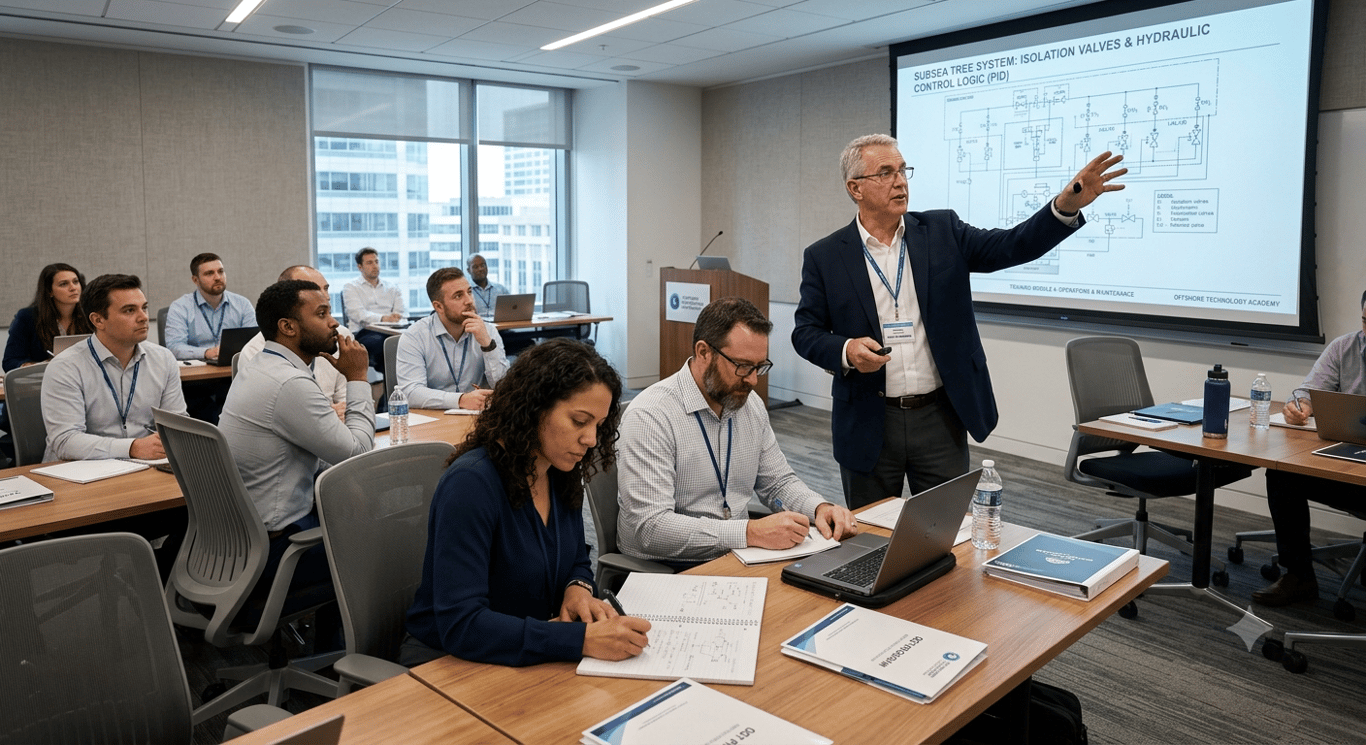
Enhance operational performance with PetroSync’s specialized training programs for oil and gas, petrochemical, power, and mining professionals.
When Operational Performance Depends on Workforce Reliability
Unexpected Equipment Issues Continue to Interrupt Operational Targets
In industrial operations, productivity often depends on the reliability of equipment and the people responsible for maintaining it. Yet many organizations continue to experience unexpected equipment issues that interrupt production schedules and create pressure on operational teams.
When critical assets fail without warning, the impact is rarely limited to maintenance activities. Production plans are disrupted, deadlines become harder to achieve, and operational priorities shift from improvement to recovery.
Maintenance Backlogs Create Pressure on Daily Operations
As facilities grow and assets age, maintenance teams frequently find themselves managing increasing workloads. Planned activities compete with urgent repairs, inspections, and operational requests, creating a backlog that becomes difficult to control.
Over time, unresolved maintenance tasks can increase operational risks and make it harder for organizations to maintain consistent performance across their facilities.
Teams Spend More Time Solving Problems Than Preventing Them
Many organizations remain trapped in a reactive cycle. Teams spend significant amounts of time responding to equipment failures and operational disruptions instead of focusing on preventive strategies that could reduce future issues.
This approach often creates short-term solutions without addressing the underlying causes of recurring problems, leading to repeated challenges and ongoing resource consumption.
Reliability Challenges Affect Productivity Across Multiple Functions
Reliability issues are rarely isolated to one department. Engineering teams, maintenance personnel, operations staff, and management all feel the impact when equipment performance becomes unpredictable.
A recurring equipment problem can affect production targets, maintenance schedules, project timelines, and overall business performance, making reliability a company-wide concern rather than a purely technical issue.
Workforce Capability Gaps Limit Long-Term Operational Improvement
As experienced professionals retire and workforce transitions continue, many organizations face challenges in maintaining critical technical knowledge. New employees may have strong academic backgrounds but limited exposure to real operational environments.
Without structured development programs, these capability gaps can limit an organization’s ability to improve reliability performance and achieve long-term operational goals.
Enhancing Reliability and Maintenance Competency Through Targeted Training
Shifting from Reactive Maintenance to a More Proactive Reliability Culture
Organizations seeking sustainable performance improvements often begin by changing how they approach maintenance and reliability. Instead of focusing solely on fixing problems after they occur, they invest in building the competencies needed to anticipate and prevent failures.
This shift helps teams spend less time responding to emergencies and more time supporting strategic operational objectives.
Building Industry-Recognized Expertise Through Certified Maintenance & Reliability Professional Training
Many organizations strengthen workforce capabilities through programs such as Certified Maintenance & Reliability Professional Training. These structured learning opportunities help professionals understand maintenance and reliability principles that support better operational decision-making.
Participants often gain practical insights that can be applied immediately within their organizations, helping them contribute more effectively to asset performance improvement initiatives.
Strengthening Coordination Between Maintenance, Engineering, and Operations Teams
Operational excellence depends on collaboration between multiple functions. Maintenance teams cannot improve reliability on their own, just as engineering and operations teams cannot achieve long-term performance improvements without alignment.
Training helps create a common understanding across departments, improving communication and supporting more effective decision-making when operational challenges arise.
Applying Reliability Best Practices to Improve Asset Availability and Performance
Organizations that consistently achieve strong asset performance often follow structured reliability practices rather than relying solely on experience or instinct. Understanding these proven approaches helps teams make more informed decisions regarding maintenance planning and asset management.
Professionals interested in strengthening their knowledge frequently explore concepts related to Certified Maintenance & Reliability Professional methodologies and their role in improving operational performance.
Supporting Sustainable Workforce Growth Through Continuous Professional Development
Workforce development has become a strategic priority across industrial sectors. As technology advances and operational expectations increase, organizations must continually invest in their people to remain competitive.
Continuous learning initiatives help employees develop new skills while ensuring organizations maintain the capabilities needed to support future growth and operational excellence.
Why PetroSync Is a Preferred Training Partner for Industrial Professionals
Industry-Relevant Programs Designed Around Real Operational Challenges
Training is most effective when it reflects the realities professionals encounter in their daily work. Programs that address real operational challenges help participants connect learning outcomes directly to workplace responsibilities.
This practical relevance increases engagement and improves the likelihood that new knowledge will be applied after the training is completed.
Experienced Instructors with Practical Maintenance and Reliability Backgrounds
Learning from professionals with direct industry experience provides valuable context that extends beyond theoretical concepts. Real-world examples help participants understand how reliability challenges are addressed within active industrial environments.
These practical insights often become one of the most valuable aspects of the learning experience.
Hands-On Learning That Delivers Immediate Workplace Impact
Many professionals attend training because they are looking for solutions they can apply immediately. Whether improving maintenance planning, supporting reliability initiatives, or contributing to operational improvements, practical learning creates value that extends well beyond the classroom.
This focus on application helps organizations maximize the return on their workforce development investments.
Flexible Training Options for Individual and Corporate Development Needs
Industrial organizations often operate under demanding schedules and resource constraints. Flexible learning formats make it easier for individuals and teams to continue developing their skills while maintaining operational commitments.
As a result, professional development can remain a priority without disrupting day-to-day business activities.
Professional Development Programs Delivered by PetroSync
As organizations continue to focus on reliability, operational performance, and workforce readiness, technical competency remains one of the most important factors influencing long-term success. Through specialized learning solutions, PetroSync supports engineering and maintenance professionals in strengthening their expertise, improving workplace performance, and contributing more effectively to organizational objectives.
For companies seeking sustainable operational improvements, investing in workforce development is not simply a training initiative—it is a strategic step toward building more reliable operations and stronger business outcomes.