
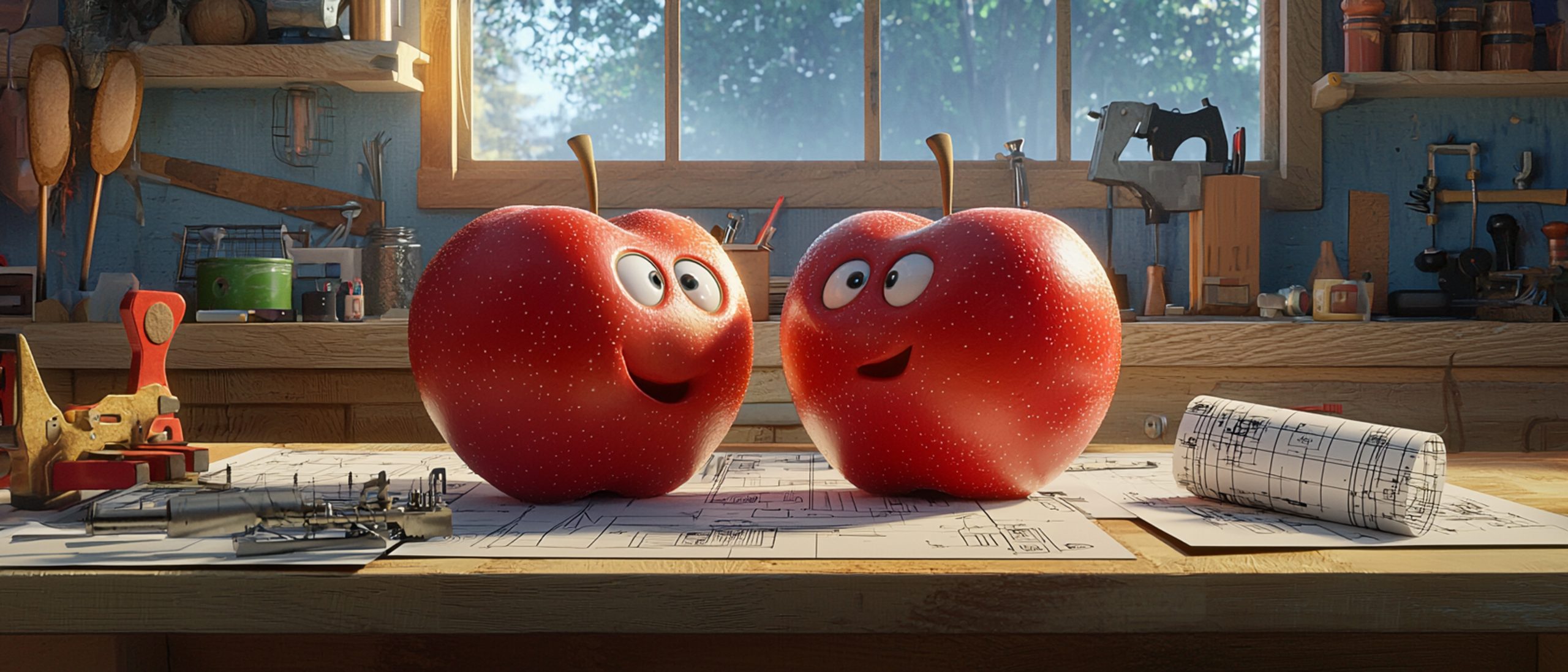
A cheating strawberry, a revenge-seeking watermelon and a billionaire banana might sound like internet jokes. Yet, AI-generated fruit dramas are attracting millions of viewers. Their popularity raises a bigger question: is AI creating a new entertainment industry, or simply making it easier to produce content that competes for the same limited attention?
The wider short-drama market is certainly growing. According to Sensor Tower, global short-drama app downloads exceeded 850 million in the first quarter of 2026, up 140% year-on-year. In-app purchase revenue, however, grew by 20% to approximately US$750 million. This suggests that user acquisition is growing faster than direct spending, although advertising and other revenue sources are not included in these figures. More people are entering the market, but turning them into paying customers remains a separate challenge.
Not Every Viewer Wants AI-Generated Stories
The audience is not as united as viral viewing figures might suggest. A 2026 Meta-Ormax study of micro-drama viewers in India found that 47% considered AI-generated micro-dramas unique and creative, while 38% still preferred productions featuring real actors. This difference matters. AI-generated characters may attract viewers through unusual appearances, exaggerated expressions and unexpected storylines. Real actors have their names, past credentials and their own talent to attract fans. A colourful character may encourage someone to click, but a convincing personality gives viewers a reason to care. A strong script keeps the story moving, while consistent character development makes audiences want to follow what happens next. Visual quality also matters, particularly when poorly rendered faces, inconsistent movements or awkward scenes distract from the story. AI-generated visuals may attract viewers initially, but whether they stay depends on how well the story develops its characters, builds tension and keeps them emotionally invested.
A More Crowded Market for AI Micro-Dramas
AI is changing the economics of short-form entertainment. Creators can experiment with characters, settings and visual effects without organising a full production involving actors, locations and large crews.
This opens the door to smaller studios and independent creators who previously could not compete with established production companies. It also allows existing companies to test more concepts and produce content at a faster pace.
However, lower production barriers create another problem: more creators can now make similar stories. When revenge plots, billionaire romances and dramatic betrayals become easy to reproduce, the market risks becoming crowded with interchangeable content.
The competition is therefore shifting. Producing a drama is becoming easier, but making one recognisable is becoming harder.
The Market Is Moving Beyond Viral Videos
Short dramas are also developing into a wider commercial category. Sensor Tower recorded an average of 25 minutes of daily viewing time across short-drama apps globally in April 2026, an 85% increase from January 2025. Platforms are building businesses around subscriptions, in-app purchases and advertising rather than relying solely on individual viral videos.
This creates opportunities for producers to develop recurring characters, license stories and build content libraries that can generate value beyond a single release. At the same time, platforms must compete for viewers through better storytelling, localised content and more sustainable pricing.
The impact on the entertainment industry will not simply be that AI replaces traditional filming. It will increase the number of competitors, shorten production cycles and put greater pressure on creators to stand out.
AI micro-dramas are unlikely to disappear. But the companies that survive will not necessarily be those producing the most episodes. They will be the ones that understand that cheaper production is only an advantage when the audience has a reason to keep watching.