
In collaboration with High Life: Living the Good Life, VOICE OF ASIA is proud to present timeless articles from the archives, reproduced digitally for your reading pleasure. Originally published in High Life Volume 1 in 2014, we take a look at the people who became the ultimate superstars.
Observers train their gaze on the entertainment industry to derive trends, styles and the ‘next biggest thing’, with music, TV and film serving as the zeitgeist for what we wear, watch and listen to. For the epic, momentum shifting changes, there are those individuals who challenge the status quo, igniting fabulous, awe-inspiring or historic breakthroughs. In keeping with our theme of ‘change’, HIGH Life features some of the entertainment icons who broke ground in their respective genres. Their originality and innovation was the fruit of a ‘big bang’ moment, an occasion or idea that would forever change their industry. That’s entertainment.
Charlie Chaplin
Famous ‘Tramp’
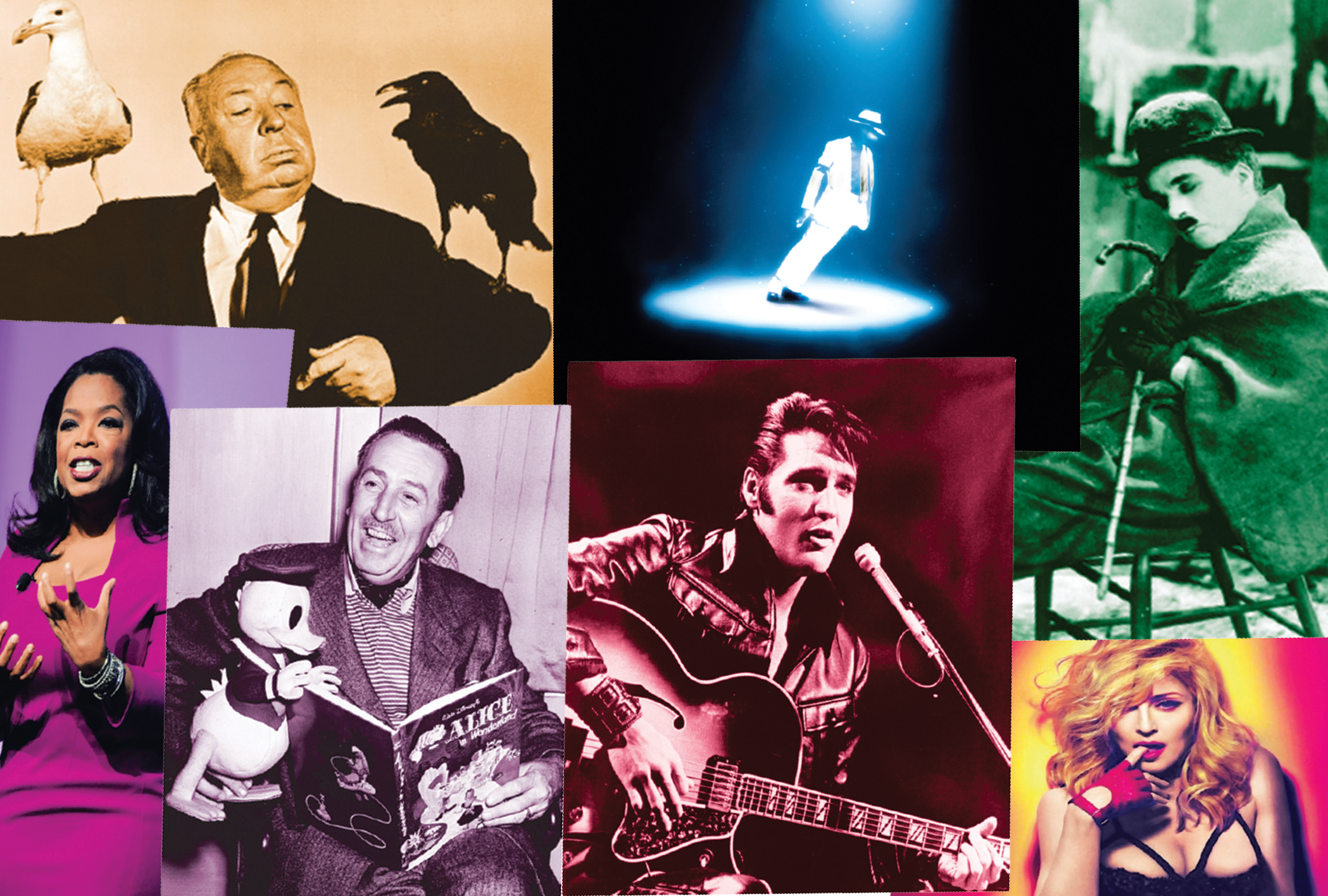
Picking out a bowler hat, tight coat, baggy pants and swinging cane from the costume hut and adding a postage stamp moustache, was the best decision English actor Charles Spencer Chaplin ever made. His wardrobe choice for the 1914 Kid Auto Races at Venice, was the snowball start, rolling him to eventual fame and fortune. Indelible and synonymous, that image of ‘the little tramp’ turned Charlie Chaplin into an iconic comedic star of the silent-movie era and a household name worldwide.
His first full-length motion picture, The Tramp, became an immense hit when released in 1915. 52 films, three different studios and two years later, Chaplin emerged as the highest-paid entertainer in the world. His on-screen antics belied his real-life seriousness, as the actor strove to improve his comedies with better plot and character development. By injecting realism into his films, slowing the pace and allowing more time for each visual joke, he shifted the emphasis from slapstick to good acting; and by removing much of the stupidity, insincerity and predictability that abounded in film of that time, he revolutionised film comedy and transformed it into art.
“To truly laugh, you must be able to take your pain, and play with it,” said Chaplin, whose films often had serious themes reflecting his childhood experiences of poverty, hunger and loneliness. Yet, he crafted them into light-hearted stories that brought smiles and laughter to everyone.
Elvis Presley
Rock & Roll King
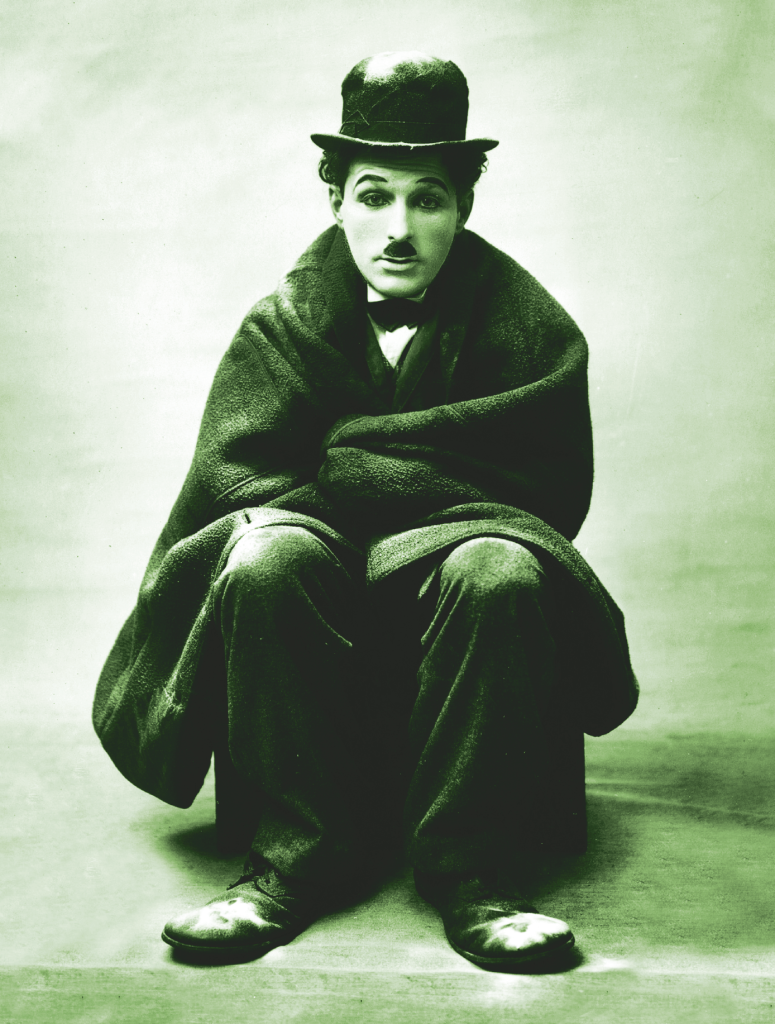
Pre-Elvis, rock and roll bands were quite tame. Short- haired guitarists would strum on stage, talented yet constrained, giving the people what they wanted. Then along came the hip-shaking, perfectly quiffed Elvis Aaron Presley who gave the public what they never knew they needed. He gyrated a path to stardom, by hybridising all he had seen and heard from African-American artists, from sections of his hometown Memphis, adding his own style of vocals, charisma and flair. Not only did he develop a uniquely new sound, he was the perfect package, the essence of what rock rebellion would become. His inaugural hit single, Heartbreak Hotel released in January 1956, flew to the number one spot on the billboards by April that year. This was quickly followed by other chart toppers like Don’t Be Cruel and his famous version of Hound Dog – though perhaps more famous was his reputation as a (relative for the time) hell-raiser, who was banned from being filmed from the waist down so as not to stoke sensitivities.
‘The King of Rock and Roll’, or simply ‘The King’, mesmerised awestruck fans with his unique renditions of songs and his energised and provocative performance style, often driving screaming female audiences hysterical and to have fainting fits! His genre of music potently mixed influences and led appeal to a broad demographic range. While the young could not get enough of his vigorous rock and roll, sentimental ballads like Love Me Tender and Are You Lonesome Tonight touched a chord with everyone, including the more mature. His ‘black’ sound and vibe cut across colour lines, and this coincided perfectly with the nascent Civil Rights Movement and calls for desegregation.
As with his music, Elvis borrowed fashion styles and brought them unforgettably to the forefront. The greasy black hair complete with the side burns of Southern truckers became a globally copied hairstyle and, because he sang about them, lace-up blue suede shoes got sudden undue attention. The ‘bling’, ultra-high collars and capes that he later wore, and which on anyone else but ‘The King’ would have been campy extravagance, became instead, high fashion. As John Lennon once famously said, “Before anyone did anything, Elvis did everything.”
Madonna
Evergreen Pop Queen
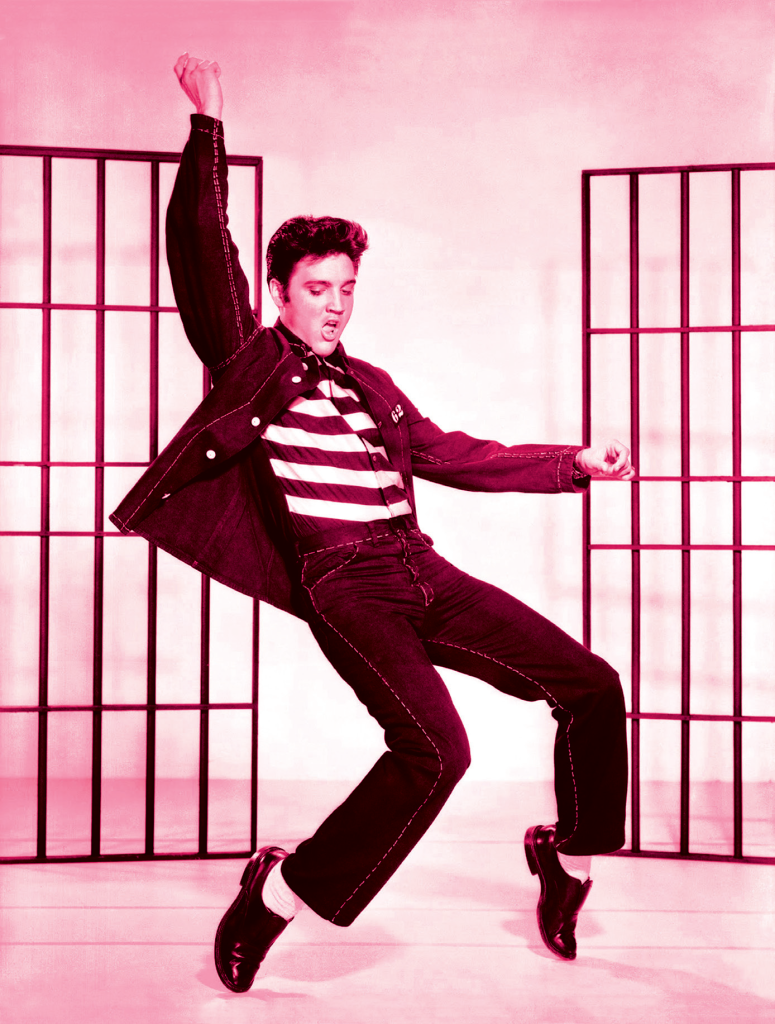
Certified as the best-selling female artist of all time, Madonna Louise Ciccone is unquestionably the “Queen of Pop”. Considered a cultural icon by Forbes, her songs and music defined the aggressive, materialistic and self-important 1980s when she first burst onto the scene, challenging the boundaries of lyrical and visual content in mainstream pop music videos. In short, she epitomised the concept that while a quality product is crucial, above all else, ‘sex sells’. For instance, nothing was subtle about her 1984 hit, Material Girl, which promoted a rich and affluent life over romance and relationships, while Like a Virgin that same year, stirred a hornet’s nest among family organisations, moralists and conservatives. Encouraged by the unprecedented attention she was garnering internationally, Madonna continued, churning out three more ‘controversial’ songs within the decade – Papa Don’t Preach, Like a Prayer and Justify My Love. Predictably, they all rocketed to the top of the charts.
Yet as all game-changers do, Madonna remains fluid, and resisting definition is her modus operandi. By the time others have caught onto her style, she is already creating the next craze. Being unique in the recording industry, her approach is directly in opposition to the industry wisdom of finding a formula and sticking to it. Never resting on her laurels, she constantly re-invents her music and image to attain greater heights and acclaim, not to mention controversy. Her continuous experimentation with new musical ideas and visual expression has kept her fresh in the minds and consciousness of both fans and foes. Now in her fourth decade in the business, Madonna’s longevity means that her music, fashion, style or performance all continue to inspire today’s pop stars, just as they inspired those of the past.
Walt Disney
Purveyor of Fantasy
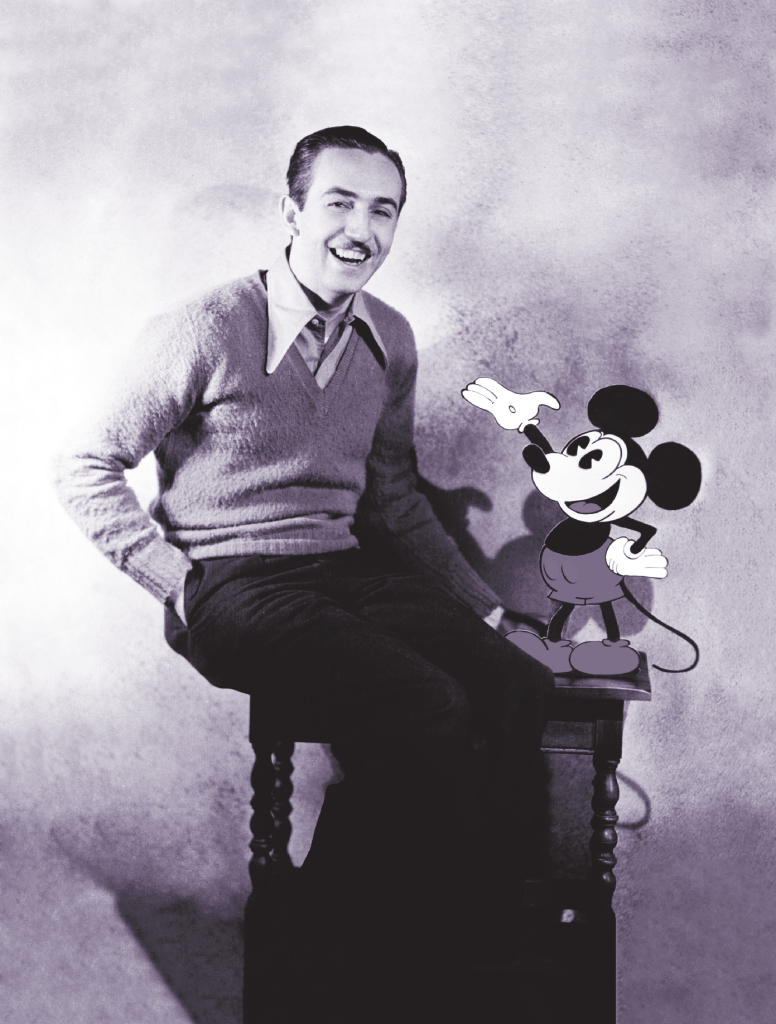
“I am not influenced by the techniques or fashions of any other motion picture company,” declared Walter Elias Disney. This was perhaps his secret to leaving such an endearing legacy in animation. Through very life-like animations, Disney gave the world a bridge between fantasy and reality, and blurred the demarcation separating cartoons from live-action.
Disney was the innovator of many aspects of animation we now take for granted. His 1928 Steamboat Willie was the first cartoon successfully synchronised with sound. In 1937, he premiered his classic Snow White and the Seven Dwarfs which cost an incredible (for that time) US$1,499,000 to make – and during the Depression at that. Buoyed by the enthusiastic public acceptance, his studios produced Pinocchio, Fantasia, Dumbo and Bambi over the next five years.
The ‘Circle Vision’ filming technique he pioneered, shot and presented movies in 360 degrees, surrounding the audience. The Three Caballeros in 1945, combined live-action and animation together thanks to the development of an optical printer. But perhaps his biggest contribution to the world of animation was his patented invention of the multi-plane camera. This special motion picture camera allowed Disney to transform flat, one-dimensional animation into layered shots with depth and movement. Various parts of the artwork layers are left transparent to allow other layers to be seen behind them. The movements are calculated and photographed frame-by-frame, with the result being an illusion of depth by having several layers of artwork moving at different speeds. It transformed animation in much the same way that computer graphics did years later.
“When you wish upon a star, your dreams come true.” So goes Disney’s iconic song (Pinocchio, 1940). Fantasy became reality for Disney who lived his dreams through imagination, optimism, creativity and animation – which he shared with the rest of the world.
Michael Jackson
King of Music Video
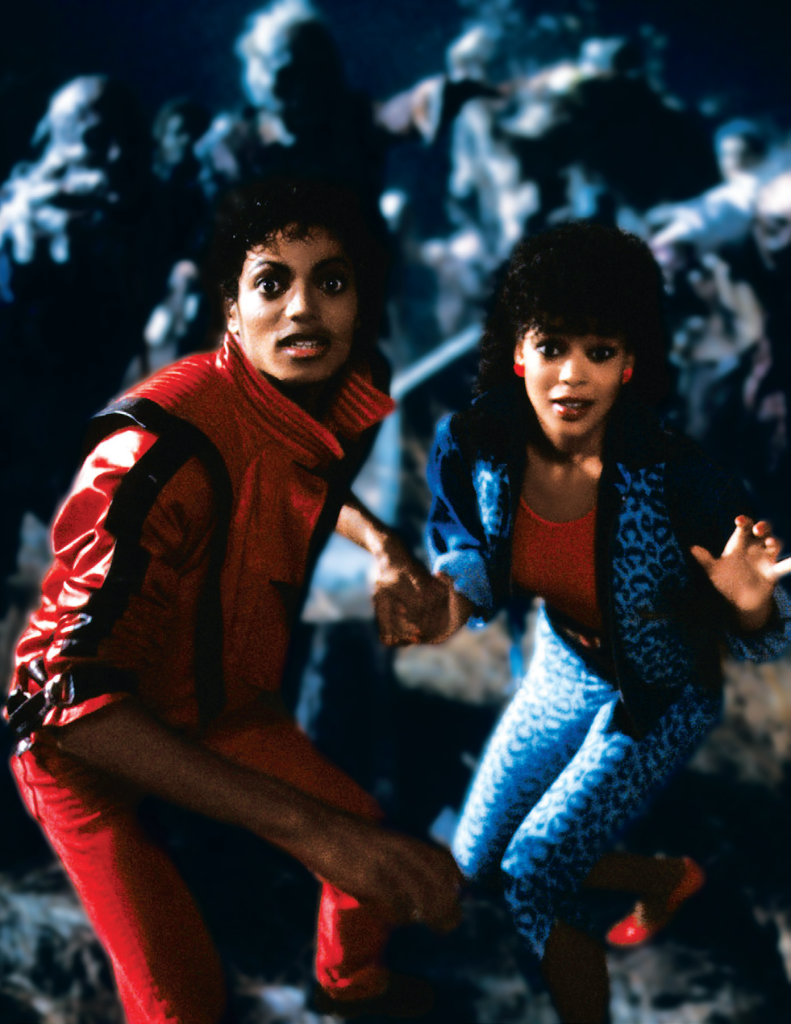
When MTV screened the aptly-named Thriller, music fans had never seen anything like it – quite literally. ‘MJ’, already a pop-icon at the time, took his career into the stratosphere by becoming the music video star, creating a medium as well a music promotional tool. His lengthy videos combined complex story lines, slick dance routines, special effects and cameo appearances, and enticed and enthralled global audiences right through to the late 1990s. The pop video, as a way to communicate a message, exploded overnight, as record labels and bands recognised this unforgettable way to make music more visual. From the comfort of their own homes, fans could witness Michael’s distinctive sound, style and fashion, together with complicated dance techniques such as The Robot and The Moonwalk, having a front row seat to every ‘premiere’.
Michael knew the importance of putting on a show. Bad, directed by Martin Scorsese, saw Michael touching chest, torso and other areas – imagery and choreography not previously seen in his other work, as he kept pushing the on-screen envelope. Time described Jackson’s influence in the heyday of music video as “A star of records, radio, rock video. A one-man rescue team for the music business. A songwriter who sets the beat for a decade. A dancer with the fanciest feet on the street. A singer who cuts across all boundaries of taste and style and colour too,” while the New York Times nailed it simply but perfectly – “In the world of pop music, there is Michael Jackson and there is everybody else.” Video breathed new life into the music business, and Michael Jackson was its oxygen.
Alfred Hitchcock
Master of Suspense
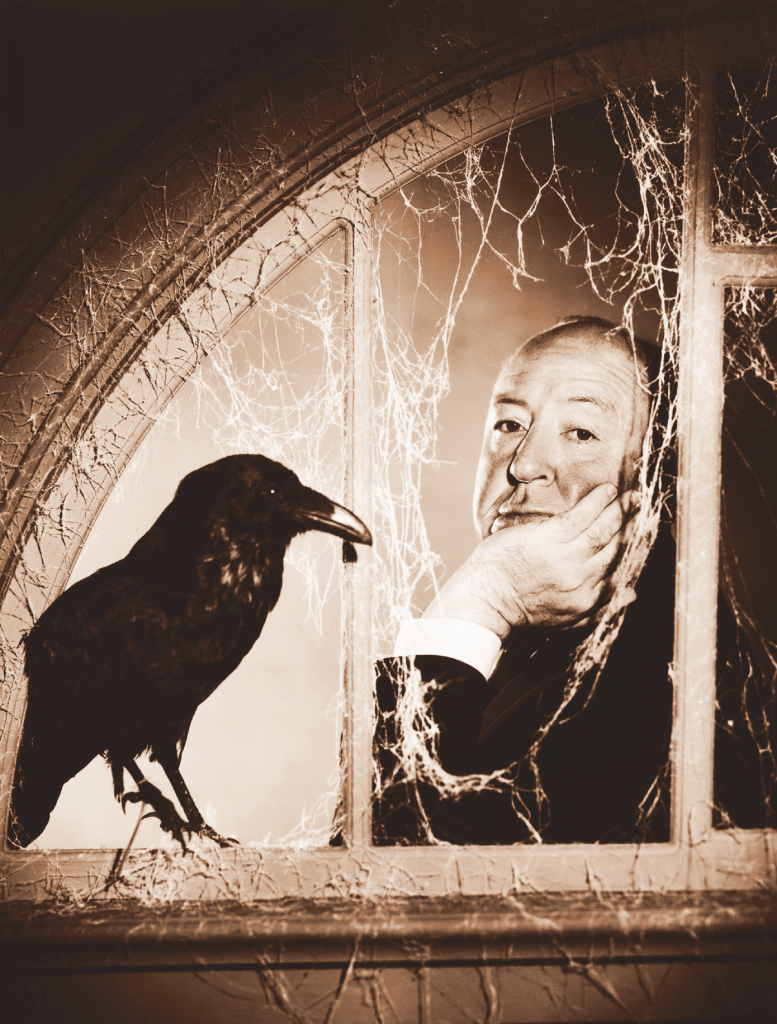
Half a century has passed since The Birds was released (March 1963) and yet it still evokes a heart-stopping response for its viewers, using the ultimate weapon of horror movie success – the dark recesses of one’s own imagination. Hitchcock shrewdly withheld an explanation for the avian attacks on Bodega Bay, which are central to the film plot. His deeply disquieting vision of a world in which previously friendly birds turn into terrifying assailants, leaves us terrified at both the phenomenon and the imagined prospects of something similar happening in real life. We also remain fascinated by how the movie was made – the accumulation of birds and the seamless mixing of both actual and false ones. Little wonder that the director is considered the master of suspense.
However, the recipe that altered movies and affected audiences was concocted three years earlier in Psycho. Superb directing and filming craftsmanship roller-coasted emotions in the legendary ‘shower scene’. Audiences were taken from suspenseful suspicion that something might happen to sinking confirmation when a shadowy figure walked into the bathroom and then to sudden shock when the shower curtain was savagely ripped open, revealing a dark silhouette of a woman with a large gleaming knife. The emotional ride climaxed gruesomely as the bathing woman was stabbed repeatedly in between her helpless screams and swirls of blood and water. Moviegoers lost their innocence with this game-changing Hitchcock masterpiece, the like of which other movie directors thereafter tried to emulate but never equalled.Today’s horror films are forever in Hitchcock’s debt and shadow because every ‘slasher’ movie, with its masked lunatic wielding a blood soaked blade, actually owes a debt to Psycho and to Hitchcock – the ultimate master of fear and insanity.
Oprah Winfrey
Original Talk Show Diva
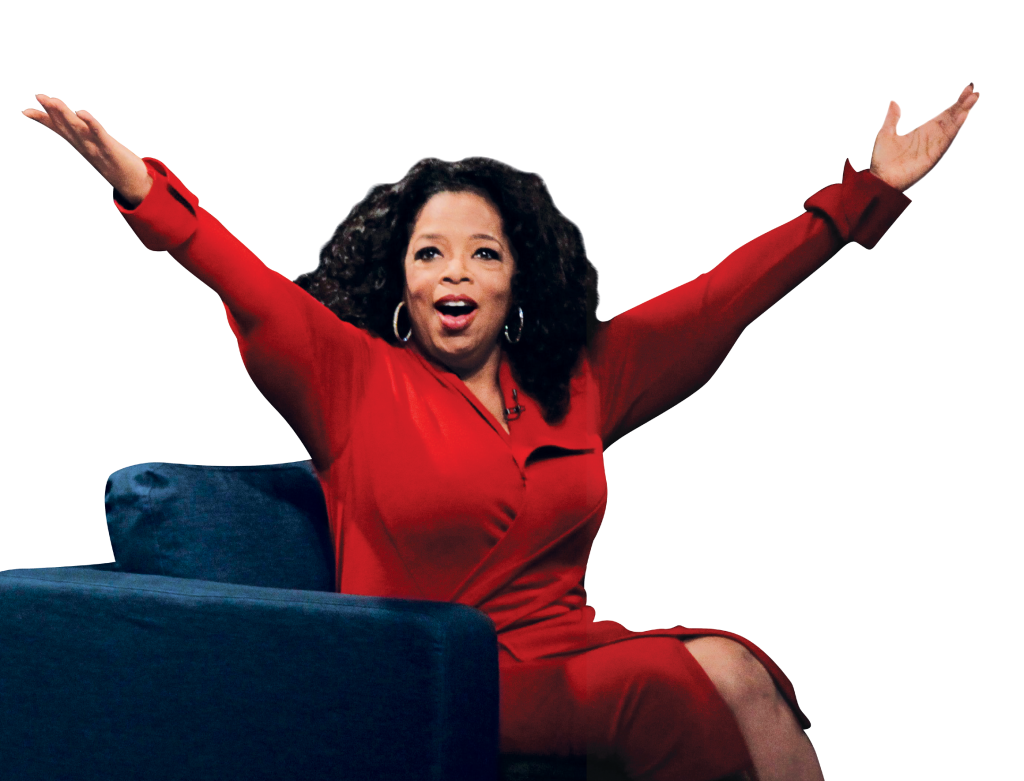
Talk shows used to mean light-hearted entertaining banter on TV, anchored mainly by white male hosts, until Oprah Winfrey completely transformed the medium into something uniquely her own. Intimate, inclusive, confessional and sensational were (and still are) the hallmarks of her talk shows which fascinated and addicted viewers worldwide. A presenter who is empathetic, so genuine and very attuned to her audiences, she captured hearts and minds in ways never done before, and as ratings soared, so did her fame and fortune.
First nurtured and then refined over time in her talk shows, the ‘oprahfication’ of any subject or situation meant a melding of the private to the public, taking ‘rapport talk’ to a different level. Not only was such talk therapeutic, it often helped the ‘confessor’ to glean mass sympathetic support while making all the misty confessions and emoting on TV so worthwhile and humanising celebrities. This is the genius of Oprah and her legacy which hosts have adopted in both talk and reality shows as well as in current affairs, continuing to shape contemporary culture and perceptions while permeating lives. But by far the most astounding phenomenon is ‘The Oprah Effect’. It is the power of Oprah’s opinions and endorsements to sharply influence consumer choices. Thus, books reviewed become overnight bestsellers and highlighted goods get overwhelmed by tidal waves of sudden demand. The rapid success enjoyed by talk shows she helped launch, such as Dr. Phil, Dr. Oz and Rachael Ray, are further examples of the effect.
By the end of the 20th century, Oprah had become the most powerful and influential woman in the US with an estimated net worth of US$800 million. She has since gone way beyond to accumulate even greater accolades and superlatives, while running several businesses and amassing wealth in the billions.