
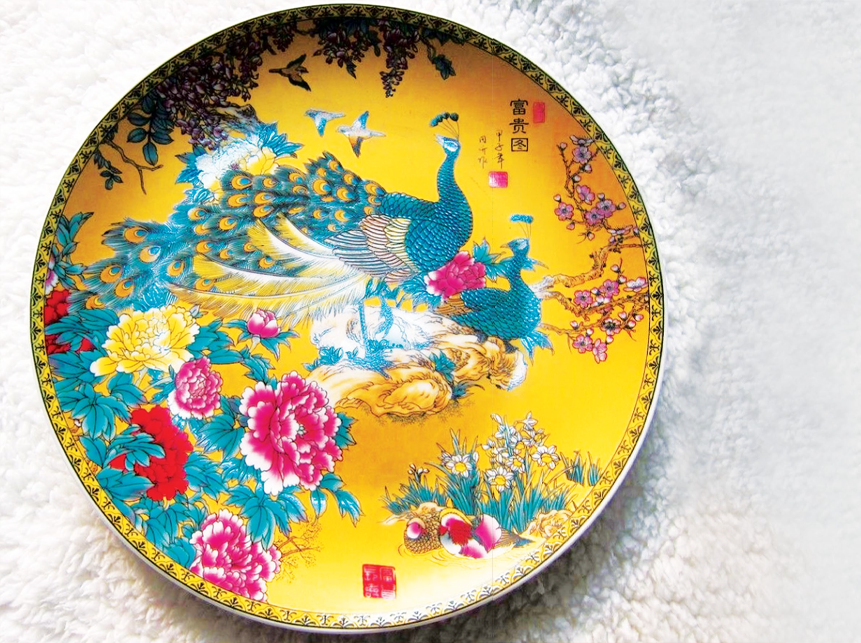
In collaboration with High Life: Living the Good Life, VOICE OF ASIA is proud to present timeless articles from the archives, reproduced digitally for your reading pleasure. Originally published in High Life Volume 2 in 2017, we see how humans have shaped nature into a showcase of their own creativity.
The great thing about art through nature is their permanence and lasting legacy. They are what they are and are stripped bare for your judgement without shame. To appreciate something that is natural is the purest kind of appreciation one can give.
Genting is drawn from the beauty of nature and all things natural, because one thing about nature’s beauty is that it stems from hard work, effort, endurance, and luck. HIGH Life presents you the natural beauties that have those qualities most cherished by Genting.
Bonsai
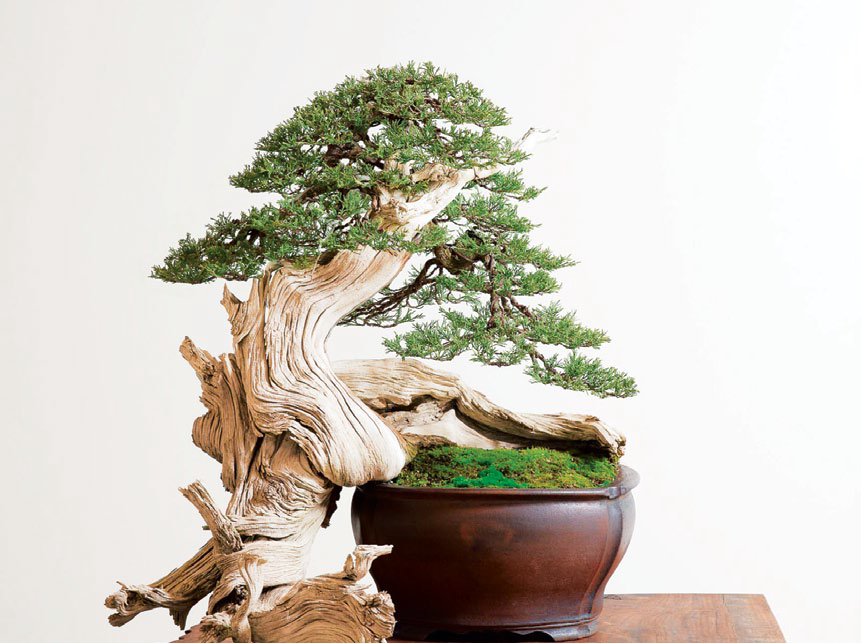
Cultivating bonsai trees is more than just a hobby. To most, it’s a passion. A bonsai tree needs consistent and meticulous care. It demands patience. What makes some people obsessed over cultivating bonsai trees is because it’s a character-building experience. You are cultivating both the tree and yourself. It teaches you the virtue of patience, because in the long run, the most tended bonsai tree will grow to be a thing of beauty. And beauty can’t be rushed.
Originally practiced in China and Japan, bonsai cultivation is nearly 2,000 years old. In China and Japan, there are bonsai trees that are more than 1,000 years old and the price can reach over US$400,000.
The culture of cultivating bonsai trees runs deep in Japan. In ancient times, it was reserved only for the upper classes as it represented qualities of refinement and nobleness. Currently, a family in Japan can be considered of “noble descent” should they have at least one bonsai that is over 300 years old.
Cultivating a bonsai tree is not just simple maintenance, such as watering and monitoring for insects. There are techniques on how to shape and style a bonsai tree and maintain its miniature form, and there are other techniques such as pruning and wiring come into play. Pruning is crucial in keeping trees miniaturised as well as to shape them, and wiring is to bend and shape the branches to a certain extent.
To grow and cultivate bonsai trees, it takes a special temperament and plenty of trial and error. Growing a bonsai tree is not a race, nor is it a destination. It is a never-ending journey.
Topiary
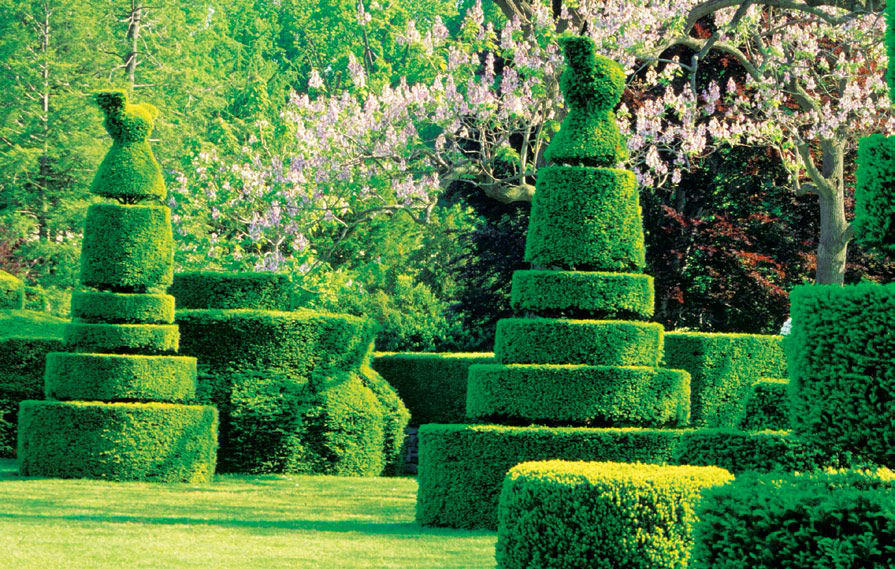
Another innovative way to sculpt is by topiary. Topiary is the horticultural practice of sculpting shrubs to create anything the sculptors have in mind. From animals, complex geometric shapes, inscriptions, cyphers, obelisks and whatever else you can imagine it to be, topiaries are a very imaginative way of using plants as decorations. If a gardener is also a sculptor, then making topiaries is a dream come true.
Humans have been making topiary art since at least ancient Rome. And throughout time, the art of topiary has since then reached both eastern and western influence. Creating topiaries relies on patience and steady hands. Since it’s a shrub, excess of leaves and twigs are bound to grow. Hence, for it to retain its beauty and shape, there will be occasional maintenance.
The purpose of topiaries is to decorate homes, churches and cemeteries, but there are also parks dedicated only to topiary arts. The Municipal Cemetery in Tulcan, Ecuador has topiaries inspired by Roman, Incan, Aztec and Egyptian themes, said to be so beautiful that it “invites one to die.” Another notable topiary garden is at the Church of San Rafael in Costa Rica, with their topiaries rife with religious symbolism and the local favourite’s 16 topiary arches that lead to the church’s entrance.
Clay/Sand Structures
People often forget how powerful the Earth element is. Before bricks and stones; clay and sand were often used in certain parts of the world to build homes and shelters. Clay and sand are still used in present day to build homes in places such as in New Mexico, Mali and Yemen.
In Taos Pueblo, New Mexico, the use of adobe – clay used as a building material, typically in the form of sun-dried bricks – to create multi-storied buildings is common, and these dwellings have been continuously inhabited for over 1,000 years. Taos Pueblo is the only living Native American community designated both a World Heritage Site by UNESCO and a National Historic Landmark.
In Timbuktu, Mali, the Djinguereber Mosque is considered one of the most profound clay-and-sand structures ever built. It is made entirely of earth and organic materials such as straw, fibre, and wood. The mosque stood strong and tall since it was built 700 years ago by order of Emperor Moussa I.
Dubbed the ‘Manhattan of the Desert,’ the houses in Shibam, Yemen are all made out of mud brick, and about 500 of them are tower blocks, which rise to 5 to 11 stories high. It was estimated that the age of Shibam is at least 1,700 years. There’s even evidence that the construction dated from the 9th century.
Each of these places has its own charm on their clay and sand structure. Art is encompassed in that search for survival. The clay structures are built and moulded throughout generations while retaining its cultural qualities. As outdated clay may also be used for buildings now, these places continue to stand the test of time and strive in this modern era.
Porcelain
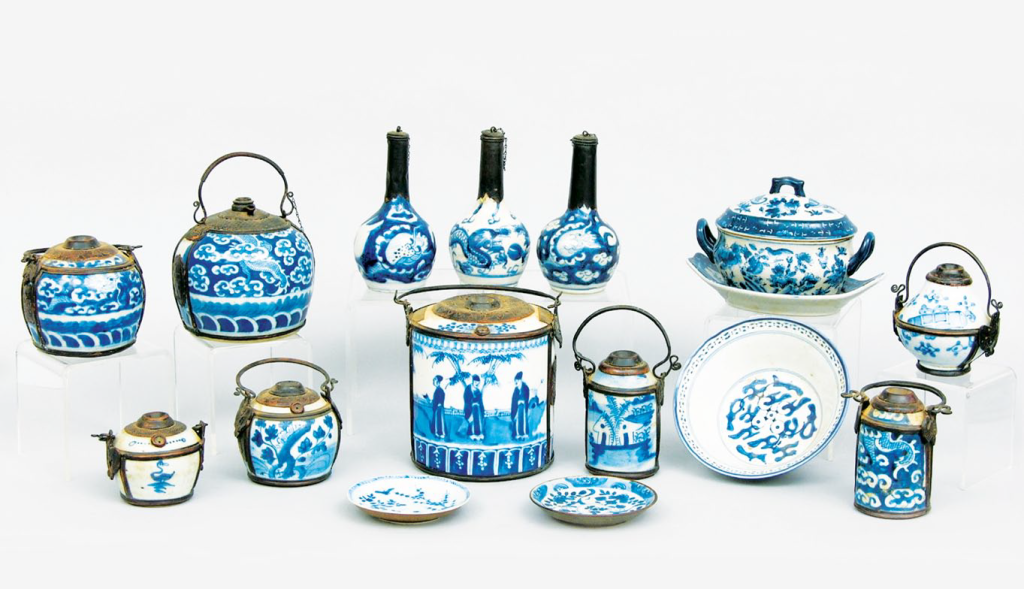
With only mud and clay, the sculptor must manipulate earth to create stunning works of art. The craft of making ceramics and clay vessels is considered one of the oldest of human arts. The beauty of the creation of porcelains or ceramics is the use of the 4 elements – mud and clay as materials of creation, water to shape and bend, fire to strengthen, and wind and air to cool it off.
Porcelain was an important invention in ancient China. As one of their main exports, the demand was high in the West and the Islamic world due to their exotic and beautiful artwork. In the Han dynasty, it was so durable that even after 2,000 years, it still retains its bright colours. In most homes today, it is common to see decorative porcelain china sets behind a glass cupboard. Porcelain china is so valuable that it is even passed down as inheritance from one generation to the other.
Human ingenuity with the Earth’s elements such as mud and clay created generations of history and cultural significance such as for China, Japan, and even Italy. The durability of ancient porcelains that survived even until today is a redeeming quality that is very sought after. Lasting throughout generations while still retaining beauty, it is as if the porcelains themselves are blessed with prosperity and luck.
Humans never cease to find creativity and ingenuity in whatever we see. From shrubs to clay, Mother Nature gave us many ways to express our creativity. Hopefully, we will never lose that drive in us to create.