In collaboration with High Life: Living the Good Life, VOICE OF ASIA is proud to present timeless articles from the archives, reproduced digitally for your reading pleasure. Originally published in High Life Volume 2 in 2016, we shine the spotlight on the people behind the lenses.
The advent of the camera has allowed the lives of celebrities to be captured for posterity. Thanks to film and now digital format, those milestone moments can live forever in the form of a photograph. Over time, the person behind the camera has become as important and as famous as the person in front of it. We celebrate the stars who made their name by taking shots of other stars.
The Godfather of Modern Photography
David Bailey
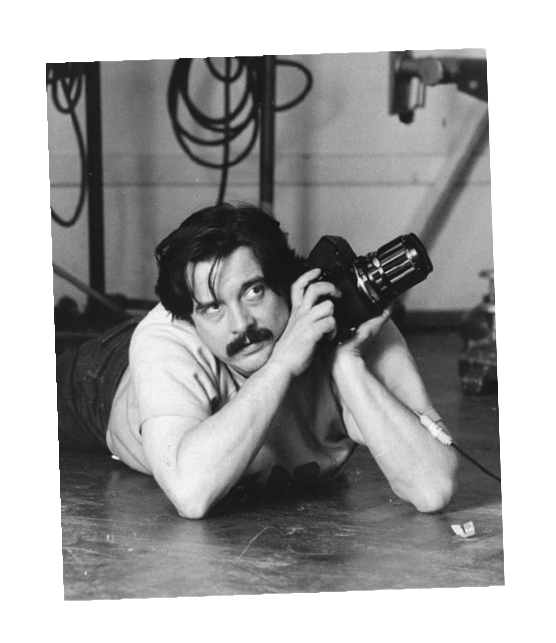
One of the first celebrity photographers, David Bailey burst onto the scene in the Swinging Sixties – capturing the rich and famous, the stars and starlets of glitzy London with his lens. Born in 1938 and brought up on the East End of London, Bailey’s gritty childhood home starkly contrasts the glamour with which his professional life would be associated.
In 1960, Bailey was hired as a fashion photographer at Vogue in London, and in just a few months, he made his name as one of the most prolific and talented members of the team. According to model Penelope Tree, he was “the king lion on the Savannah: incredibly attractive, with a dangerous vibe. He was the electricity, the brightest, most powerful, most talented, most energetic force at the magazine.”
It was during Bailey’s time there that the Swinging Sixties exploded on the scene and Britain’s capital became Swinging London. It was the moment to be young and alive. The music scene – led by the Beatles and the Rolling Stones – was expanding, Mod fashion was all the rage, and London became the haven of stars.
And David Bailey caught them all on camera. There was (and still is) a sort of genuineness about the gruff East Ender which saw his subjects warm to him. He once said, “The pictures I take are simple and direct and about the person I’m photographing, and not about me. I spend more time talking to the person than I do taking pictures.”
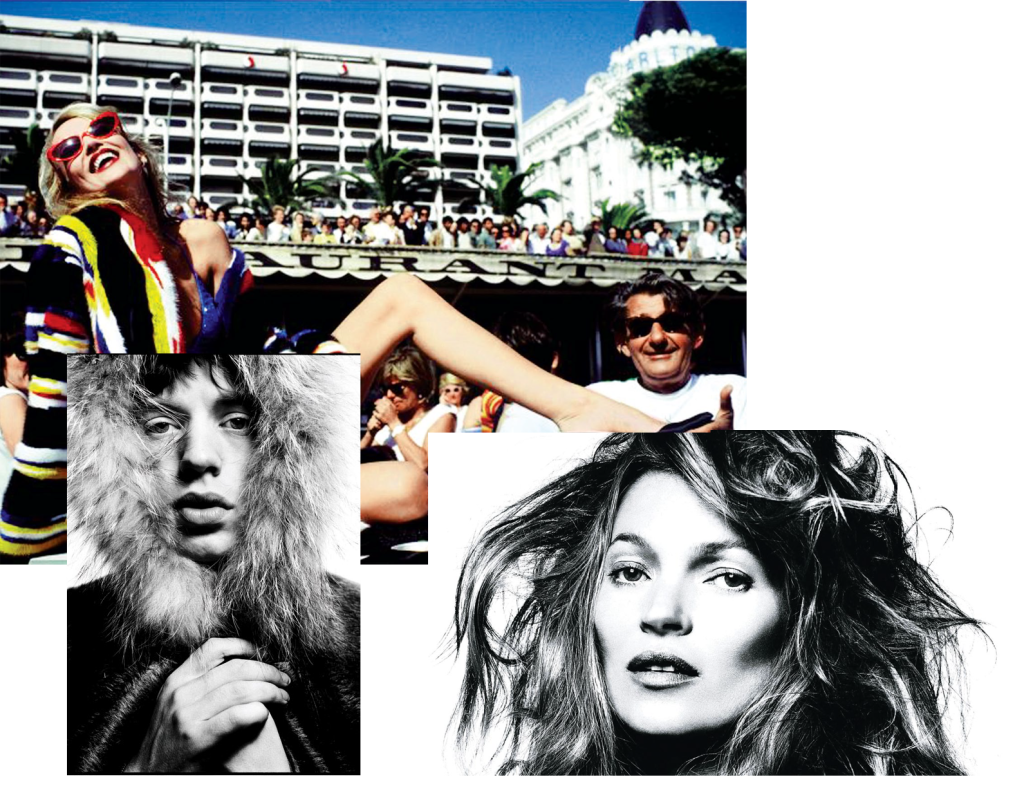
By doing that, he manages to draw the subject out of their shell and reveal their personalities, which he then captures on film. During his heyday, anyone who was someone had their photograph taken by David Bailey. His 1964 collection Box of Pin-Ups featured some of the biggest stars of the time including actor Terence Stamp, dancer Rudolf Nureyev, the Beatles, Mick Jagger, and the notorious gangsters Reggie and Ronnie Kray.
It also featured Jean Shrimpton, who also became Bailey’s muse and lover. It is widely acknowledged that David Bailey’s shots of Shrimpton were instrumental in making her the most in-demand model of her time, creating the first ever supermodel.
Now in his 70s, David Bailey is still photographing. One of his more recent commissions was to photograph Queen Elizabeth II for her 88th birthday in 2014. It was apt that the most iconic British photographer of his time would photograph the most iconic British woman of hers.
American Maestro
Annie Leibovitz
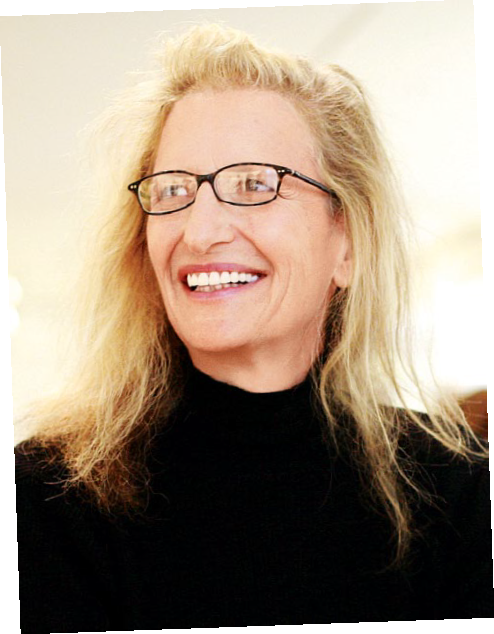
She handled John Lennon’s last ever photoshoot just five hours before his assassination on the 8th of December 1980. In 2008, she became the first American to photograph an official portrait of Queen Elizabeth II.
Born in the state of Connecticut in 1949, Annie Leibovitz dabbled in various artistic pursuits as a student including painting and music. But photography was her first and strongest love, and in 1970 she started work at the then fledging Rolling Stone magazine, where her first assignment was to photograph John Lennon. A daunting task for a young photographer, but one she executed with ease.
10 years later, she and Lennon would cross paths again, when she was sent by Rolling Stone to photograph the ex-Beatle and his wife Yoko Ono. The shot Leibovitz took – which showed a naked Lennon curled foetus like around a fully-clothed Ono – became the cover of the January 1981 issue of Rolling Stone. It was named the best cover of the last 40 years by the American Society of Magazine Editors in 2005.
Interestingly, a Leibovitz cover was also voted the second best cover. It was the August 1991 issue of Vanity Fair which featured a naked and nine months pregnant Demi Moore. No major magazine had ever dared to put a naked pregnant woman on its cover, but Leibovitz’s masterful direction managed to stem accusations of obscenity and turn them into applause for style and audacity.
In many ways Annie Leibovitz is a revolutionary who has pushed and continues to push boundaries. She was one of the first photographers to turn colour photography into an art form, making use of bright colours to produce stunning and vivid images.
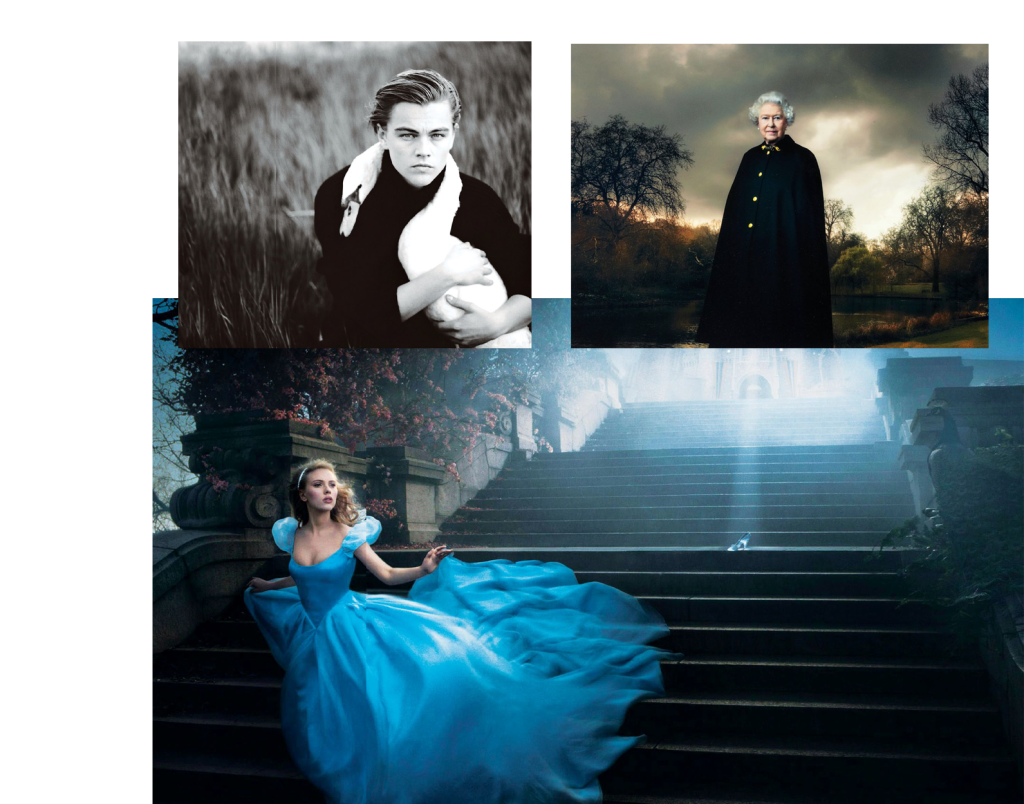
Apart from that, she is able to develop a relationship of confidence with her subject. They trust her to bring out the best in them, which is why she is often given the privilege of having the photographer’s version of a scoop. These include the first ever photographs of Suri Cruise with her parents Tom Cruise and Katie Holmes, and Caitlyn Jenner’s debut photoshoot after her transition.
With a professional life of more than 40 years, Annie Leibovitz is the United States’ most masterful photographer. Little wonder then that she was named a “Living Legend” by the Library of Congress in 2000.
Gone too Soon
Herb Ritts
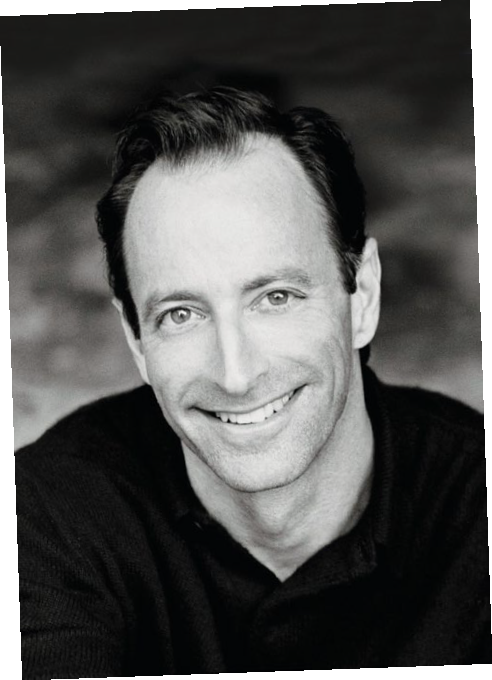
Some people say that it isn’t about how long you live but how much you put into life. This can be used to describe Herb Ritts. A brilliant photographer, he lived his life like a candle in the wind and was gone too soon. His life only lasted 50 years; his professional career was less than half of that, but in those 20 plus years, he helped redefine photography as an art form.
Born in Los Angeles in 1952, Ritts came to prominence after a series of shots he took of a then-unknown actor friend leaning on an old Buick car, came to public attention. That friend was none other than Richard Gere, who would later star in hit movies such as Pretty Woman and American Gigolo.
Ritts’ profile was also on the rise, and he was commissioned by some of the biggest fashion and entertainment magazines in the United States. These included Vogue, Vanity Fair, and Rolling Stone. He was also involved in campaigns for fashion brands such as Calvin Klein, Chanel, GAP, Gianni Versace, Giorgio Armani, Levi’s, and Polo Ralph Lauren to name a few.
He also helped launch the careers of many of the top supermodels in the late 80s. Names such as Stephanie Seymour, Christy Turlington, Cindy Crawford and Naomi Campbell had their big break working with Ritts. Cindy Crawford has been quoted as saying, “Herb made me look how I wish I looked when I woke up in the morning.”
Herb Ritts’ biggest contribution to photography was probably his reinterpretation of the nude. His nude photographs were not meant to titillate or shock, but aimed to create a sense of elegance where the body is seen as a work of art rather than a sexualised object. Together with his use of the outdoors with the California sun as a backdrop, his photographs called to mind the sculptures of the Renaissance and the art form of ancient Rome.
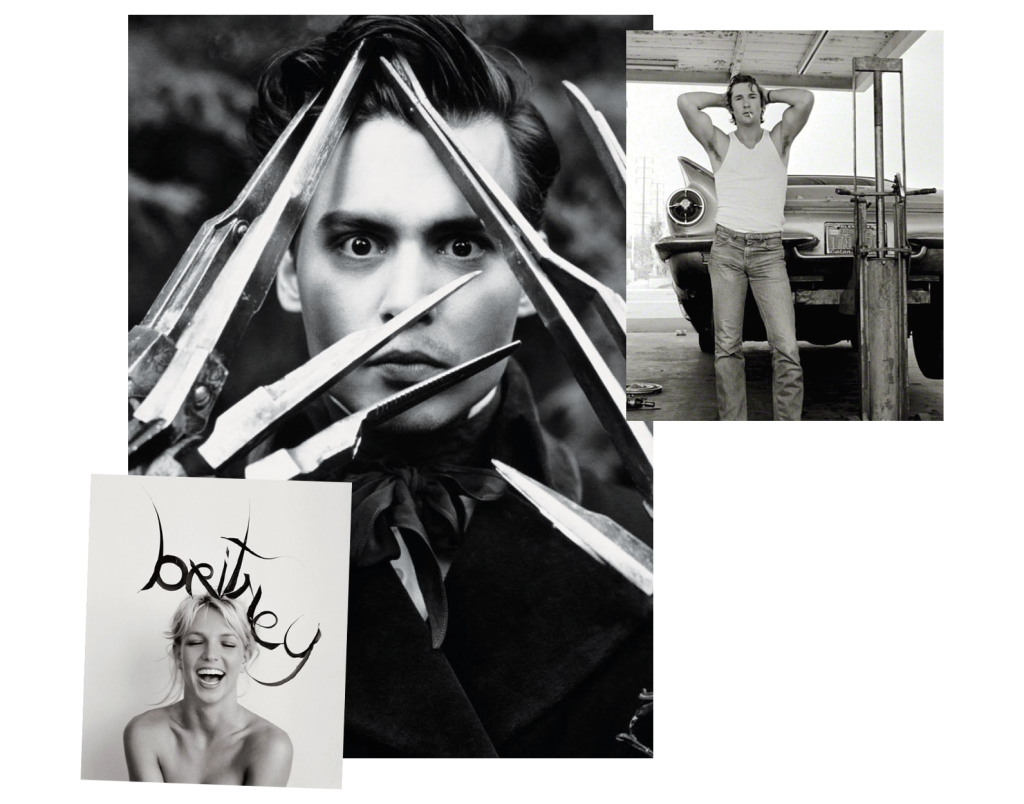
He lives on in his work – not just the photographs he took but also the music videos he directed, as well as in the memories of those whose likeness he captured on film. As his friend Richard Gere once said, “Some photographers embalmed their subject, but Herb enlivened them.”
The Storyteller of the East
Sun Jun
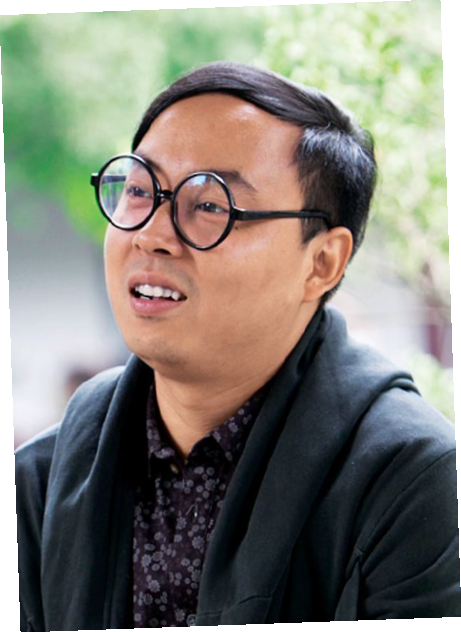
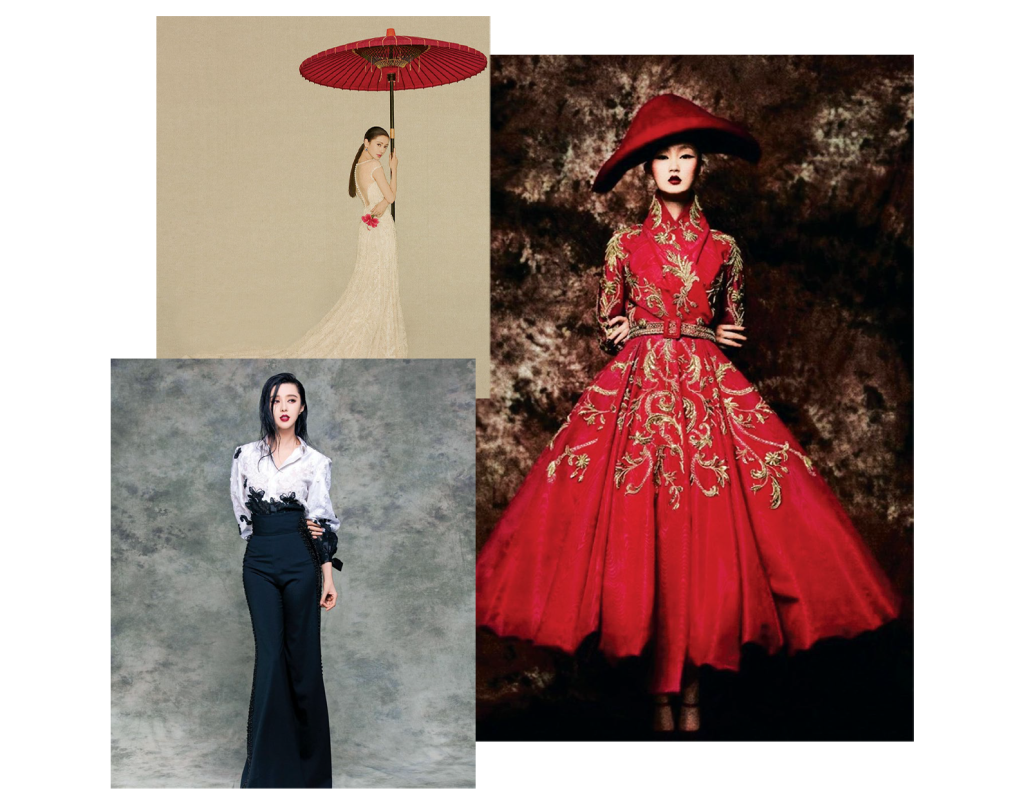
A native of Zhejiang, Sun Jun stands apart from the other photographers mentioned here. Unlike the others that we have already featured, Sun’s claim to fame as a photographer has more to do with his compositions than his subjects.
This is not to say that he has not had his fair share of celebrity models. Top stars of the Chinese and Hong Kong entertainment world such as actresses Fan Bing Bing and Carina Lau have posed for him. However, what makes Sun’s work unique is his ability to blend photography with elements of traditional Chinese painting.
Each and every model is portrayed in a pose that depicts an action. In his Tea of Ancient Classics series for example, the models re-enact scenes from tea picking and brewing ceremonies against a picturesque backdrop. The photographs are not static but are used to tell stories. And that is what Sun Jun is in essence, one of the great storytellers of today.