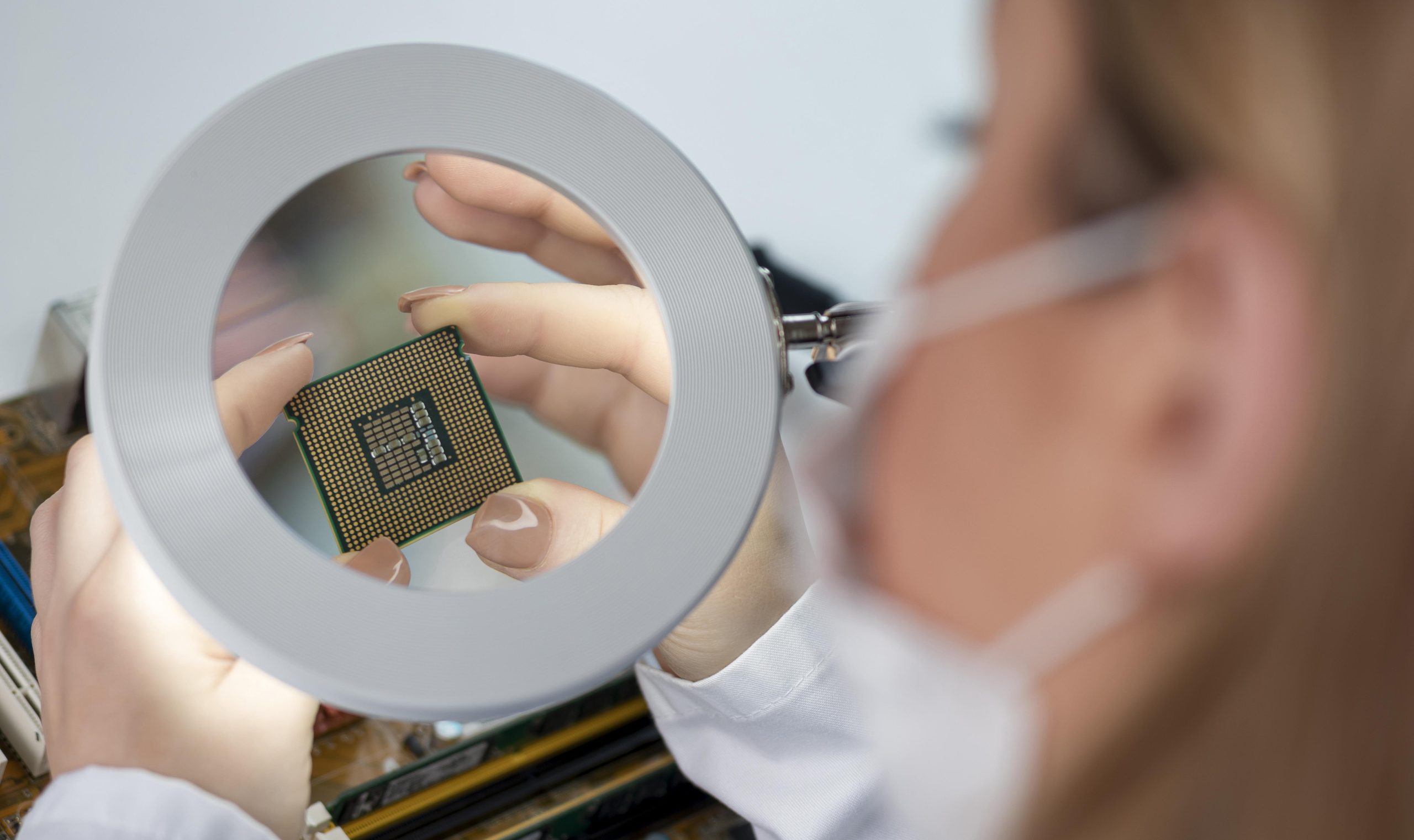
Malaysia’s AI strategy is entering a new phase as the country weighs how to build sovereign computing capacity while navigating the geopolitical sensitivities surrounding advanced AI chips. According to Bloomberg, Huawei’s Ascend 910C has been evaluated as a potential computing core for Malaysia’s RM2 billion Sovereign AI Cloud. What is confirmed is the budget allocation, Telekom Malaysia’s selection as operator through an open tender, and the government’s objective of keeping sensitive workloads under national jurisdiction. What remains unconfirmed is the final vendor, deployment volume, timeline, and security architecture. The Prime Minister’s Office, Digital Ministry and Huawei have not publicly commented on the reported evaluation.
The Issue Goes Beyond Performance
The rationale for a sovereign cloud is not simply that data should be stored on servers located in Malaysia. It also concerns operational and legal control over sensitive information, including which district and legal authorities may compel a service provider to disclose data.
The US Cloud Act allows US authorities, subject to applicable legal procedures, to seek data held by US technology companies even when that information is stored overseas. Prime Minister Anwar Ibrahim has previously criticised the law as unreasonable, while emphasising that Malaysia’s sovereign cloud is intended primarily for national-security-sensitive data rather than the wider economy.
Where the Pressure Lands
The decision is unfolding against a more fragmented global technology landscape. A US guidance issued in May 2025 specifically identified Huawei’s chips and warned that their use could create exposure under US export controls. The precise implications for a Malaysian state-linked operator remain a matter of interpretation and have not been publicly settled.
Other pressures, however, are more tangible. Malaysia faces a 19% reciprocal tariff on exports to the US, potential exposure to future Section 232 measures affecting semiconductors, and procurement commitments to Washington. The US was Malaysia’s largest export destination in 2025.
Compliance credibility is therefore an economic asset. Malaysia has also introduced Strategic Trade Permit requirements for the export, transhipment and transit of high-performance US-origin AI chips, strengthening controls over the movement of advanced computing technology.
The Test is Method, Not Loyalty
Malaysia is deeply embedded in both major technology ecosystems. Penang and Kulim are important nodes in global semiconductor supply chains involving US and international companies, while Johor has emerged as a major data-centre hub attracting investment from companies including Microsoft, Google, AWS and Nvidia.
Maintaining strong links with both ecosystems gives Malaysia strategic room to manoeuvre. Rather than treating procurement as a choice between geopolitical camps, allowing a broader range of qualified suppliers to compete could strengthen procurement choice and reduce dependence on any single technology ecosystem.
Hardware is Not Sovereignty
A sovereign cloud is also only one component of Malaysia’s wider AI ambitions, which include the National AI Office, local AI models, talent development, and stronger data governance.
A chip alone cannot deliver digital sovereignty. Without capable operators, clear data classifications and robust rules governing data access and transfers, advanced computing hardware cannot provide meaningful control over national information.
The Key Question
As Washington tightens restrictions on advanced semiconductor technology and Chinese companies accelerate the development of alternatives, countries such as Malaysia therefore face a difficult question: how can they gain access to advanced capabilities without becoming locked into a particular technological bloc?
For Malaysia, the decision is not simply whether Huawei’s chips can compete with Nvidia’s. It is whether a middle power can make a high-stakes technology decision according to transparent criteria, while retaining the flexibility to adjust course as technology, regulations and strategic priorities evolve.
Technological autonomy does not require Malaysia to produce every component domestically. It means having sufficient capabilities, supplier diversity and policy space to make critical decisions on its own terms.
In an increasingly fragmented technology landscape, that flexibility may be the strategic asset worth protecting.