
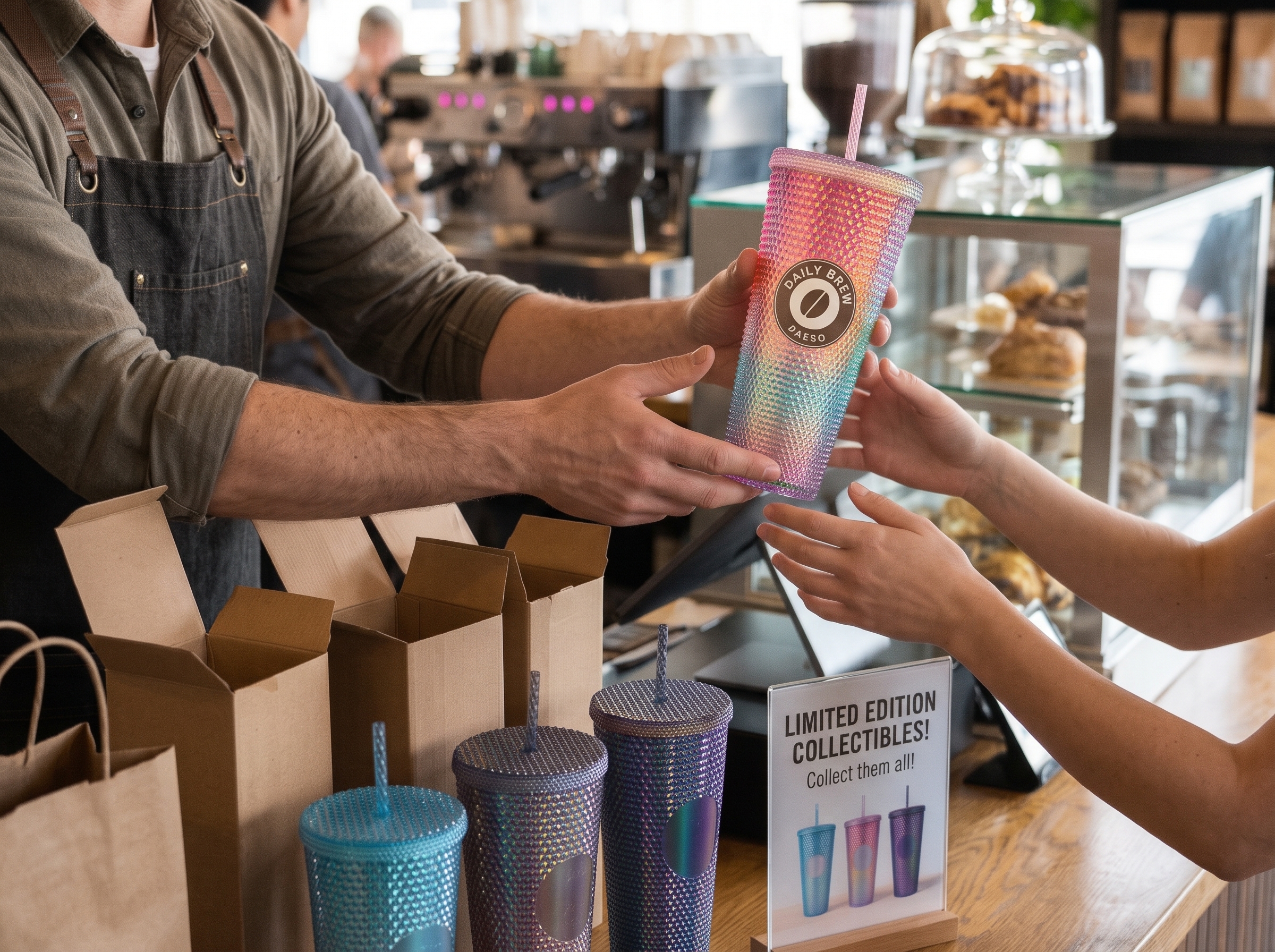
Food is traditionally sold on taste, price and convenience. But character and celebrity collaborations are changing what consumers look for in an everyday purchase. Limited-edition packaging, themed merchandise and collectible designs can give an ordinary meal or drink a value that extends beyond consumption.
The rise of collectible food collaborations reflects a broader shift in consumer behaviour. People are not just buying something to eat or drink; they may also be paying for emotional connections, exclusivity and the chance to own a piece of a favourite franchise. For food brands and intellectual property (IP) owners, this creates an opportunity to reach new audiences. The challenge is turning that shared appeal into value for both sides, rather than a short-lived marketing buzz.
Why Are Consumers Collecting Their Food?
The appeal starts with emotional connection. A familiar character may remind consumers of their childhood, a favourite story or a community they feel part of. Buying a themed drink or collectible allows them to express that connection through an everyday purchase.
Scarcity adds another layer. When a product is available for a limited time, consumers may feel they have to act before it disappears. Collecting multiple designs can also turn a single purchase into a repeated habit, especially when customers do not know which item they will receive.
There is a social element, too. Collectibles can be photographed, shared, traded or displayed. The purchase becomes an experience that extends beyond eating or drinking.
However, not every customer is buying for the same reason. Some genuinely enjoy the product, while others are mainly interested in the merchandise. Brands need to understand this difference rather than assume that queues and online attention automatically translate into lasting customer loyalty.
When Two Brands Become More Than One
The commercial logic behind these partnerships is straightforward. Food brands bring products, outlets, distribution networks and established purchasing habits. Character owners bring intellectual property, storytelling and an existing fan base.
When the two fit together, each can reach consumers in a new way.
A recent Malaysian example is Luckin Coffee’s Garfield collaboration, launched on 15 October 2026. The appeal is easy to understand. Luckin gives Garfield fans a reason to visit its outlets, while Garfield gives an ordinary coffee purchase a recognisable personality and an item to collect. The character becomes part of the consumption experience, rather than simply appearing in an advertisement.
A similar approach can be seen in KFC Malaysia’s April 2026 collaboration with Butterbear. Its limited-edition blind-box collectibles reimagined familiar KFC menu items, as character-inspired designs. The campaign also connected the collectibles with a nationwide travel theme.
Both examples show how collectible food collaborations can combine product recognition with the emotional appeal of an IP. The food brand gains another reason for customers to visit, while the character gains a presence in everyday life.
That is where the potential for one plus one to equal more than two lies: the partnership creates a new reason to purchase, not just two logos sharing the same packaging.
When Does the Partnership Really Pay Off?
Still, a popular character does not guarantee a successful collaboration.
If consumers buy a meal only to obtain a toy, they may have little interest in returning once the promotion ends. The food brand could also lose money if licensing fees, packaging and merchandise costs outweigh the additional revenue.
For collectible food collaborations to deliver lasting value, both sides need a good fit. The collectible should make sense for the character, the food should remain worth buying, and the campaign should give customers a reason to engage beyond the initial launch.
Businesses should look beyond queues and social media views. New customer numbers, repeat purchases, profit margins and sales after the promotion ends provide a clearer picture of whether the partnership has worked.
The strongest collaborations do not simply persuade people to buy something because it is limited. They connect a product people already recognise with a character they care about, giving a new place in the customer’s life. When that connection brings new customers to the food brand and new audiences to the IP, the partnership has a genuine chance of becoming more than the sum of its parts.