
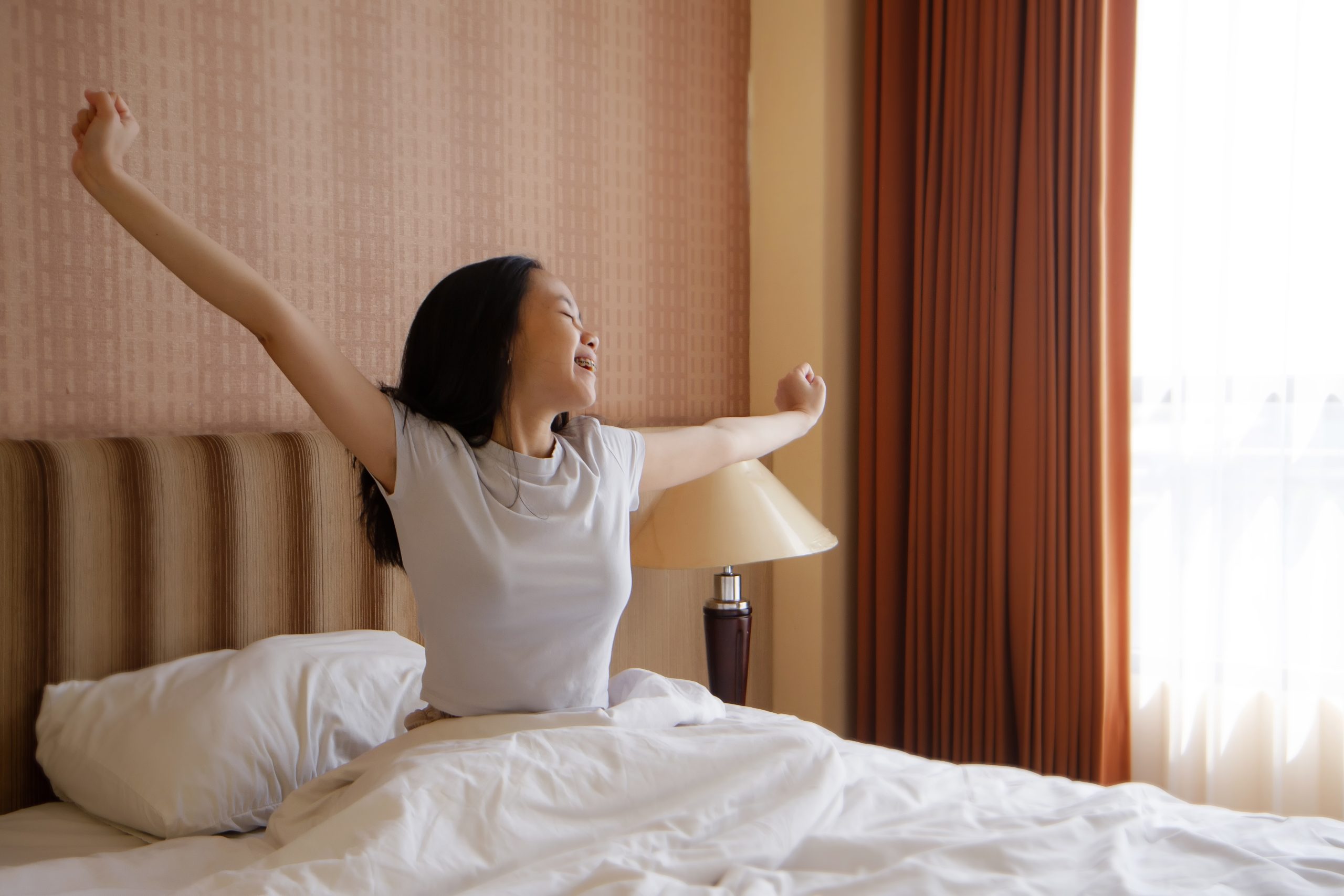
Imagine waking up after what felt like a good night’s sleep, only to find your smartwatch giving you a disappointing sleep score. Suddenly, you begin questioning whether you rested well enough. What should have been a refreshing morning becomes another reason to worry.
This is the contradiction behind the growing interest in sleep tourism. As people look for ways to escape busy schedules and recover from exhaustion, sleep is becoming something they are willing to travel and pay for. But when rest is measured, tracked and optimised, are we making sleep better or simply giving ourselves another target to meet?
When Better Sleep Becomes Another Target
Sleep tracking has made information such as sleep duration, heart rate and estimated sleep stages more accessible. For people trying to improve their routines, this data can be useful. It may help them notice patterns, such as sleeping less after late-night screen time or feeling tired after an irregular bedtime.
However, a score cannot tell the whole story. Consumer wearables estimate sleep patterns rather than directly measuring every stage of sleep, and their readings should not be treated as a medical diagnosis.
The problem begins when people trust the numbers more than their own experience. Someone who wakes up feeling refreshed may still worry about having too little deep sleep because an app says so.
Researchers have described a related phenomenon known as orthosomnia, in which an excessive pursuit of perfect sleep data can contribute to sleep-related anxiety. Not everyone who tracks their sleep will experience this, but it highlights a contradiction: a tool intended to improve rest may become another source of pressure.
Sleep is important, but it is not a daily performance test. A single score should not determine whether someone considers a night successful.
Why Hotels Are Selling Sleep
This growing focus on sleep creates a commercial opportunity. Hotels can now offer more than comfortable beds and quiet rooms. Some provide specialised bedding, sleep consultations, relaxation programmes and technology designed to create a more restful environment. In 2025, Oasia by Far East Hospitality partnered with Woosa Sleep to offer sleep-focused experiences in selected properties, including Oasia Suites Kuala Lumpur.
For hotels, sleep tourism offers a way to stand out in a competitive market. Instead of selling only a room for the night, they can sell the promise of waking up refreshed.
That promise may appeal to travellers dealing with demanding work schedules, digital distractions or the exhaustion of daily life. It also creates opportunities for mattress brands, wellness providers and sleep technology companies to work with hotels.
But there is a difference between creating conditions for better sleep and guaranteeing better sleep. A quiet room, comfortable mattress and suitable lighting can support rest, but individual results will vary. A premium package cannot automatically solve persistent insomnia or the pressures waiting for a guest at home.
Selling Rest Without Selling Anxiety
The challenge for businesses is not simply to convince customers that sleep matters. It is to show that their services offer genuine value without making ordinary sleep feel like a problem that always needs fixing.
Hotels can focus on practical benefits, such as reducing noise, improving room darkness and helping guests establish routines they can continue after their stay. Sleep-related claims should also be clear about what a service can realistically achieve.
For consumers, the more useful question is not whether a sleep score is high enough, but whether they feel rested, function well during the day and maintain healthy habits over time. Persistent sleep difficulties deserve appropriate professional advice rather than endless attempts to improve an app score.
Sleep tourism reflects a genuine need in a world where many people struggle to switch off. The opportunity for the industry is real, but so is its responsibility.
The best sleep experience should leave people feeling more rested, not more worried about whether they slept well enough. If the purpose of a holiday is to escape pressure, rest should not become another thing people have to get right.