
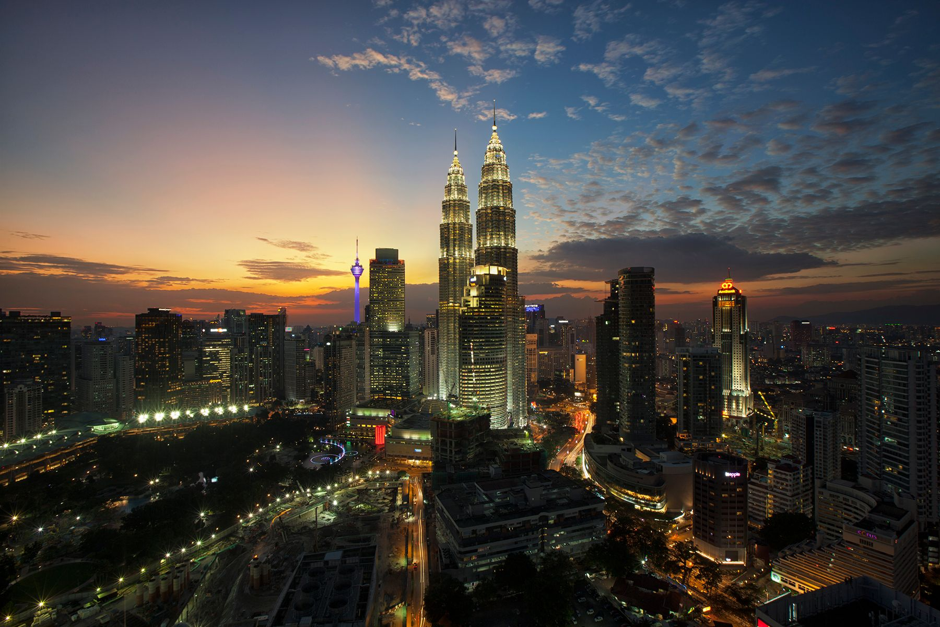
When it comes to find the best country to live in, Malaysia has ranked third in the 2026 RUMAVI Global Relocation Index, just behind after Singapore and Estonia, placing it in an unexpected position on the global platform.
The index assessed 192 countries and territories across 24 metrics, covering four pillars such as financial and tax, livability and health, safety and stability and settling and opportunity. Malaysia scored 72.0 out of 100, narrowly behind Singapore at 72.6 and Estonia at 72.8.
But what exactly is RUMAVI? The platform is an independent cross-border advisory service that helps individuals navigate international relocation, residency, corporate structuring and property investments, where the ranking comes with an important qualification. RUMAVI describes its index as a measure of where people can build a life and relocate, rather than a definitive measurement of which country is universally the best country to live. Its methodology also produces separate rankings for retirees, digital nomads, families, entrepreneurs and people prioritising tax considerations.
So, what is driving Malaysia’s strong performance?
One of the biggest factors is affordability. According to RUMAVI, Malaysia scored 97.8 for general affordability, while also recording strong scores for currency and banking and foreign-income tax treatment. These factors can make the country particularly attractive to people earning income from overseas or looking for a lower-cost base in Southeast Asia.
Malaysia also performed strongly in the index’s specialised categories. It ranked first globally for digital nomads, scoring 79.1, and first for retirees, with a score of 75.8. The country’s relatively affordable lifestyle, connectivity and available residency or relocation pathways contributed to these results.
Healthcare is another part of Malaysia’s appeal. The country has an established public healthcare system alongside a large private healthcare sector, with major private hospitals concentrated in urban centres. For Malaysians, however, healthcare affordability remains an ongoing issue, particularly as private medical costs and insurance premiums continue to attract attention. In order to combat growing private healthcare costs, the government has implemented reforms under the RESET strategy, where it include programmes centred on medical insurance, price transparency, digital health, and more affordable healthcare options.
Yet a global ranking does not necessarily reflect every Malaysian’s daily experience.
Housing costs, wages, traffic congestion, public transport accessibility and differences in living standards between urban and rural areas remain important considerations. RUMAVI itself acknowledges that no index can capture the full reality of moving or living in a country and describes its ranking as a starting point rather than a substitute for individual circumstances.
That distinction matters. A country may be highly attractive to a digital nomad with foreign income, for example, while presenting very different financial realities to a young Malaysian entering the workforce or a family facing rising household expenses.
Still, Malaysia’s third-place position offers an interesting reflection of what the country has to offer: relatively affordable living, established infrastructure, multicultural communities, access to healthcare and strong regional connectivity.
The ranking may not provide a final answer to whether Malaysia is truly the best country to live. But it does highlight why the country continues to attract attention from people looking beyond their borders and raises a more useful question for Malaysians themselves: what can be done to ensure that the qualities attracting people to Malaysia are also improving everyday life for those already here?