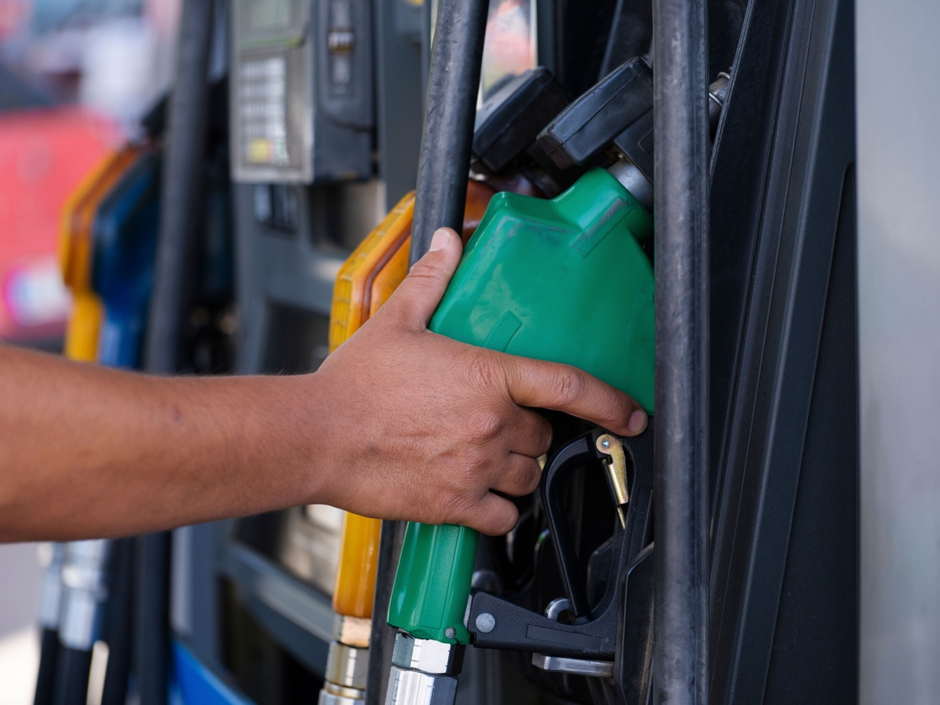
Subsidised petrol and diesel are more than just a government policy for many Malaysians. The prices displayed at petrol stations affect the cost of getting to work, sending children to school, running a business and, indirectly, even the price of food. That is why fuel subsidies remain one of Malaysia’s most closely watched economic issues.
In 2026, the government has continued its shift towards targeted fuel subsidies through the BUDI MADANI framework. Under BUDI MADANI RON95 (BUDI95), eligible Malaysians can purchase RON95 petrol at RM1.99 per litre, while the subsidised diesel price was set at RM2.10 per litre nationwide from July.
The numbers show why the government faces a difficult balancing act. In March 2026, the Ministry of Finance said the combined subsidy burden for RON95 and diesel had risen to an estimated RM4 billion a month amid higher global crude oil prices. By July, the government said total petroleum-product subsidies could approach RM40 billion for the year if prevailing market prices remained high.
That money represents a significant fiscal commitment. Every ringgit spent maintaining lower fuel prices is a ringgit that cannot be used elsewhere, whether for public transport, healthcare, education, infrastructure or direct assistance to households. Yet changing the system for subsidised petrol and diesel is not as simple as allowing prices to rise.
Fuel costs affect the wider economy. Higher petrol and diesel prices can increase transportation and logistics costs, which may eventually feed into the prices consumers pay for goods and services. For households that depend heavily on private vehicles, even a relatively small increase in fuel expenses can put additional pressure on monthly budgets. This explains why the government has increasingly focused on targeted subsidies rather than completely removing support.
Finance Minister II Datuk Seri Amir Hamzah Azizan said the government’s targeted diesel and petrol subsidies had generated savings that were redistributed to the public through increased allocations for Sumbangan Asas Rahmah (SARA) and Sumbangan Tunai Rahmah (STR).
The approach also reflects a concern about leakage. Blanket subsidies can provide the same benefit regardless of income, while targeted mechanisms are designed to direct government support towards eligible Malaysians. In addition, the 2026 Fiscal Outlook states that BUDI95 was introduced partly to prevent leakages and reduce the sale of subsidised petrol to foreigners.
Still, targeted subsidies come with their own challenges. Eligibility systems must be accurate, convenient and capable of dealing with people whose circumstances do not fit neatly into a database. The government has acknowledged such implementation issues, including questions surrounding groups such as e-hailing and taxi drivers.
For consumers, the debate therefore goes beyond whether subsidised petrol and diesel should remain affordable. It is also about how government resources should be distributed and how Malaysia can protect households without allowing subsidy spending to become an increasingly heavy burden on public finances.
The challenge for policymakers is finding a system that does both: keeps essential costs manageable today while preserving enough fiscal space to meet Malaysia’s needs tomorrow. As global oil prices remain unpredictable, the future of subsidised petrol and diesel will remain an important part of Malaysia’s economic debate.