In collaboration with Convergence, VOICE OF ASIA is proud to present timeless articles from the archives, reproduced digitally for your reading pleasure. Originally published in Convergence Volume 18 in 2013, we take some time to immerse ourselves in Malaysia’s rich musical culture.
Like the rest of its culture, Malaysian music represents a unique blend of the classical and the avant-garde, the fusion of local and foreign, Eastern and Western styles. It symbolises the spirit of a nation with a rich history, now finding its place in the constantly-shifting modern world. Convergence takes a look at a major international music event, the Penang Music Festival, as well as some highlights of the music scene in Malaysia.
Festival of Pearls
Penang, the Pearl of the Orient, is an island whose small size – of less than three hundred square kilometres – belies a wide, rich and vibrant culture. Twenty kilometres from Penang Airport, on the other side of the island, lies the Penang Botanical Gardens, generally known to the locals as the Waterfall Gardens owing to the small waterfall inside. Also inside the Gardens is the Quarry Recreational Park, host to the Penang World Music Festival.
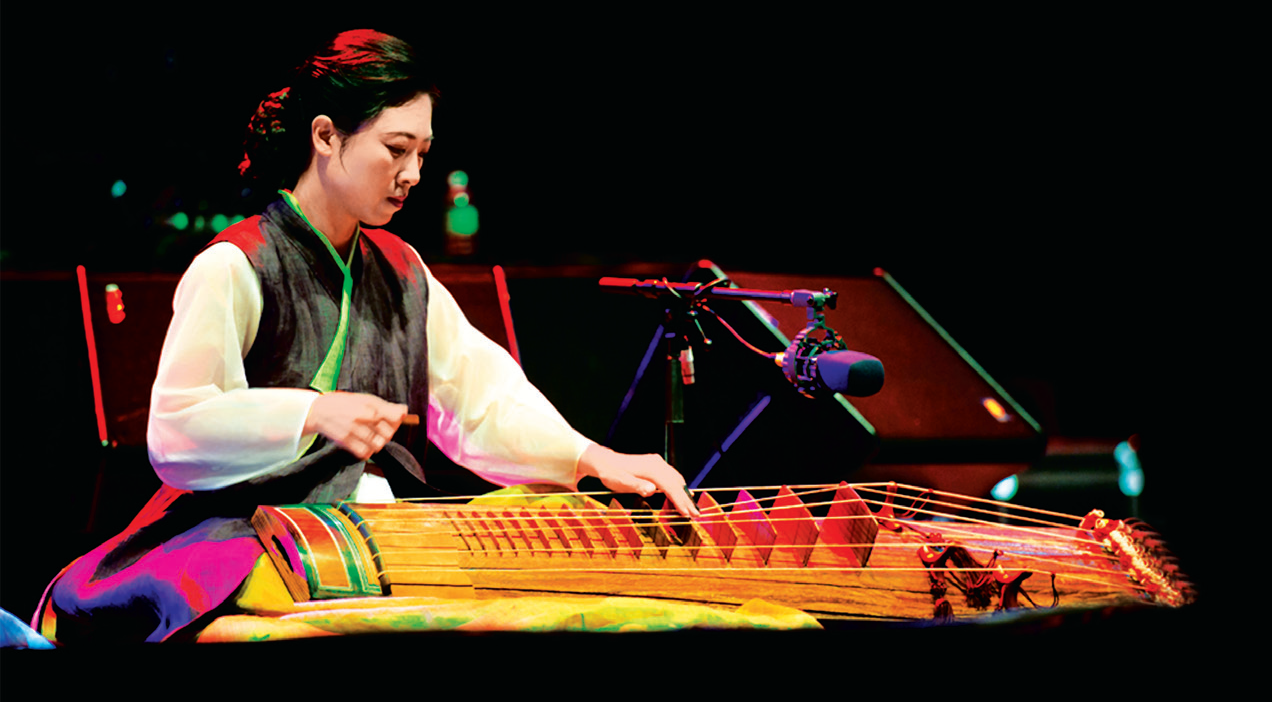
Every year, for a weekend, the Festival draws musicians from every corner of the world to share their talents with peers and fans alike. Last year’s event starred performers from countries as diverse as Mongolia, Ireland, Belgium, Guinea, Indonesia, Vanuatu, Russia, Holland, Columbia, Vietnam, the United States, the Philippines, South Korea, Australia, and New Zealand – representing every continent on earth.
Emphasising the spirit of inquiry and cultural diversity at the Festival, workshops are also held during the day to allow attendees to further immerse themselves in the world of music. Some workshops showcase the art of various musical instruments, while others offer the opportunity to get better acquainted with the native cultures of the Festival’s artistes.
The Melting Pot
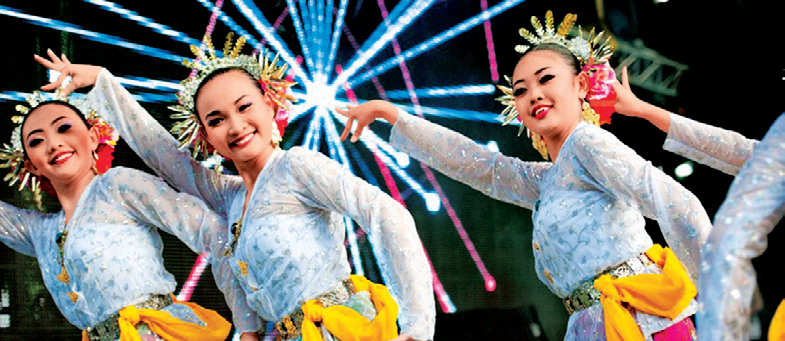
The lineup of Malaysian artistes at the Festival is a regular showcase of the richness of diversity in Malaysian culture, with participants from as far afield as Sarawak joining native Penangites for three days of music, performing music traditional, modern, and fusion.
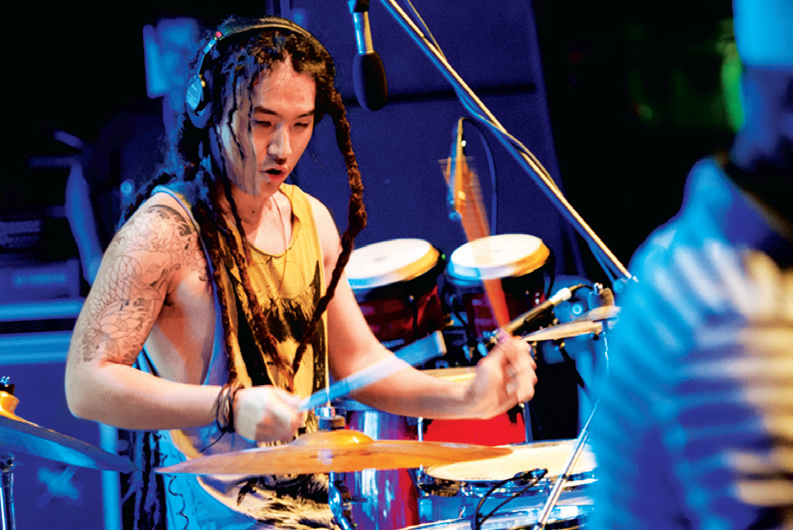
Among the stars of the 2012 Festival were the Aseana Percussion Unit (ApU), who incorporated instruments from all three major races in Malaysia, and Didit Dinai, of the Borneo House of Performing Arts (HopA). Bringing traditional music to the scene were Geng Wak Long, performers of classic Malay culture, and Rentak Balai, who used handmade traditional instruments in their performances. The Penang Dhol Blasters demonstrated their skill with a classic Indian drum, while Justin Lim of The Fix showed off his modern techno music in collaboration with New Yorker Ion Ray.
Malaysia’s Fusion Artistes
In March 2013, rising stars from around the country, the region and the world will converge on Penang once more to showcase their skills.
One of the Malaysian groups already registered for the Penang World Music Festival 2013 is AkashA (Sanskrit for aether), billed as Asia’s top fusion music band. This multiracial, seven-piece band draws upon Malay, Chinese, Indian and Western musical traditions, exploring the world’s music from these roots. Forays into African, Latin, Celtic and Cuban jazz music are among their many experiments. Having already taken the Rainforest World Music Festival (and numerous other venues around the Asia Pacific region and the United States) by storm, they look set to emerge as the stars of the 2013 Penang Music Festival.
Newcomers to the scene Rimba will make their way to Penang from their home in Sabah. Specialists in ethnic jazz, they combine traditional and modern instruments in creating their unique interpretation of fusion music. With three performances at the Kota Kinabalu (KK) Jazz Festival under their collective belt, they will no doubt be looking forward to bringing their talent to an international stage.
Southeast Asian Styles
Drawing its members from all over the archipelago of the Philippines, Kalayo (fire) produce a music best described as melodic pop/rock with strong roots in their country’s folk tradition. The band has expressed a desire to “embrace our world through our melodies and our thoughts, that we might make a little difference.” As befitting their origins, this eight-piece band incorporates a tropical island rhythm perfect for dancing.
Another visiting neighbour is the indonesian Saharadja, who date back to a 2002 partnership between Indonesian trumpeter and vocalist Rio Sidik, and Western Australian violinist Sally Jo. Behind the jazz they create is a wide range of instruments ranging from trumpets to electric violins, irish tin whistles to fretless bass, not to mention an extensive list of percussion instruments. With this diversity, they have adopted various rhythmic traditions from india, the Middle East, Europe, Latin America, Africa, China, and the British Isles.
From Around the Globe
Folk traditions of Europe are brought to the forefront by the Portuguese group Mu, among those musicians who succeed in transcending genre labels. Dauntless explorers of the music scene, they are always in search of ever more rhythms and melodies to incorporate into their performances. Since their formation in 2003, they have performed all over europe, using instruments from such places as India, Switzerland, Egypt, Brazil, Morocco, and Australia.
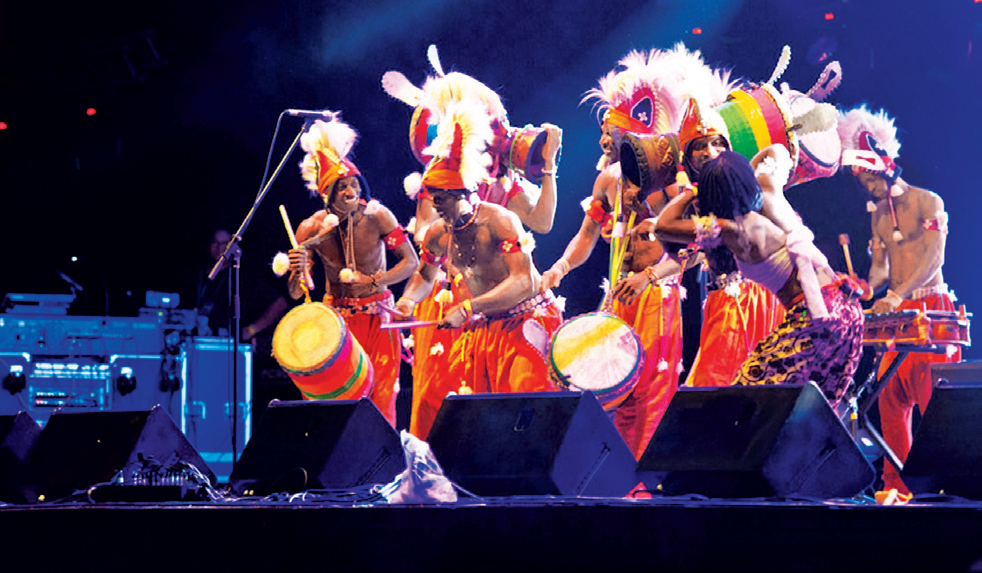
Descending from the beautiful Andes highlands of South America are the Inka Marka, bringing the best of their homeland’s ethnic music while clad in traditional outfits. This is the band’s second appearance at the Penang World Music Festival, and after their success in 2007, not to mention that of their numerous world tours, they are set to once again present the cultural traditions of ancient civilisations.
Another star at the upcoming Festival is Kimi Djabaté, whose home village of Tabato, Guinea-Bissau is known for its griots, singer-poets who shape the music of Africa with their songs and tales. Much like his ancestors, a troupe of musicians who came from Mali and were granted the land of Tabato by an enthralled king of Guinea, Kimi travels the world with his ensemble bringing West African music to the world. His second album, Karam reached no.1 on the European World Music Charts, an indicator of an excellent performance to come at the festival.
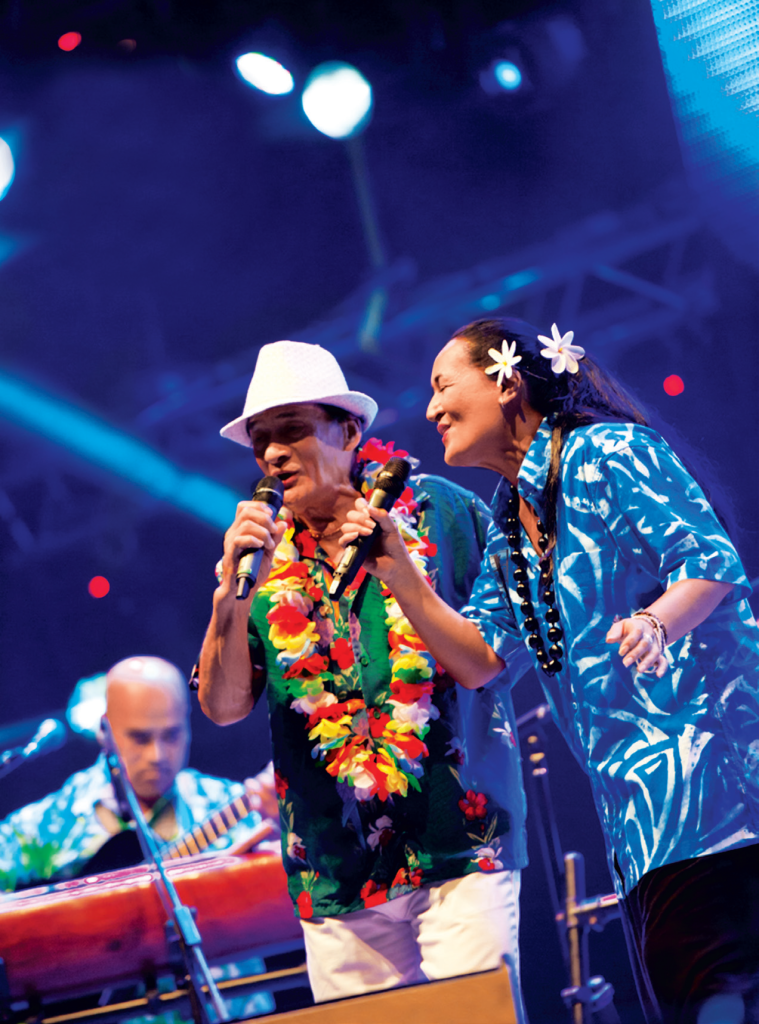
The Penang World Music Festival 2013 will have performers from Portugal, Indonesia, West Africa, South America and the Philippines among the headline acts. Without doubt, they will continue the Festival’s proud tradition, like that of countless others of its kind around the globe, of music as a confluence for the world’s shared cultures.