In collaboration with High Life: Living the Good Life, VOICE OF ASIA is proud to present timeless articles from the archives, reproduced digitally for your reading pleasure. Originally published in High Life Volume 2 in 2013, we explore the story of Dr Sun Yat-Sen, and the legacy he left in both China and Malaysia.
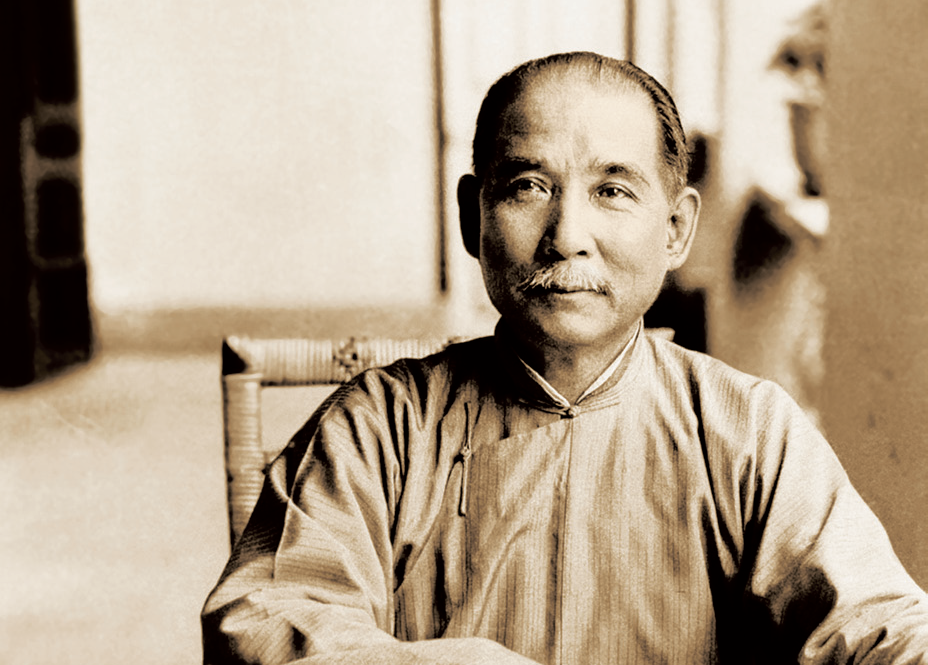
Throughout history, Malaysia has enjoyed a unique and mutually beneficial relationship with China, one of the world’s oldest and most established civilisations. HIGH Life will explore some of the most important cultural milestones in this relationship which has shaped both nations. In this issue, we look at Dr Sun Yat-Sen, widely known as the father of modern China, and his contributions to Malaysia.
Dr Sun Yat-Sen has left a lasting legacy as the man who defied centuries of imperial tradition by causing the overthrow of the Qing Dynasty and paving the way for the formation of a Chinese republic, creating a more egalitarian society. He was the man behind the successful Xinhai Revolution of 1911 that ended over 2000 years of monarchic totalitarianism. The time was ripe as talented and well-educated Chinese were growing frustrated with the despotism and narrow-mindedness of the Qing, who refused to accept and implement new ideas. The Qing instead preferred to maintain the feudal system, which benefited a privileged and indulgent minority, while the rest of the country suffered from widespread poverty. Many of the dissatisfied migrated overseas – to escape oppression – and to where their talents would be better appreciated.
Dr Sun experienced first-hand the misery caused by the Qing Dynasty, which strengthened his aversion to the status quo, and his resolve to topple the monarchy. At the time, China was known as the ‘Sick Man of Asia’, due to the fact that foreign powers were taking advantage of the weak and incompetent Qing Dynasty, establishing authority over various parts of the country. After comparing China to Japan – which was also an Asian country, albeit one which was industrialised, Dr Sun realised the Qing Dynasty was like a cancerous tumour which needed to be removed in order for the patient (China) to live, and saw no future in the people’s or the country’s welfare unless the dynasty was overthrown. A less well-known fact was that this change in the course of history was planned in a quaint, obscure little house in Armenian Street on Penang Island, Malaysia.
A Call to Arms
Dr Sun was born in 1866 to a wealthy Hakka family in Guangzhou Province. When he was a young boy, his family migrated to Hawaii, where he completed his primary and secondary education. At the age of 20, he began studying medicine at the Guangzhou Boji Hospital, from which he graduated with a licence to practice medicine.
Growing increasingly frustrated with the pervasive corruption and indifference of the Qing to the welfare of the people, the young Dr Sun began taking a keen interest in politics, and in 1905, along with a group of like-minded individuals, formed the Tongmenghui, an underground society dedicated to resistance. The First Guangzhou Uprising in 1895 ended in a fiasco, and in fact from 1895 to 1910, Dr Sun initiated a total of nine failed rebellions against the Qing, making him one of China’s most wanted men.
To escape prosecution and almost certain execution, Dr Sun left China and travelled the world, garnering support from overseas Chinese in his quest to overthrow the Qing Dynasty.
Seeking Support in Malaysia
Dr Sun first visited Penang in 1905, and delivered his first speech in the Sio Lan Teng, a Chinese merchant club, known today as the Sun Yat-Sen Memorial Centre. His Penang- Chinese audience was initially not persuaded, as they were mostly indifferent to the affairs of the homeland or unsure whether to support the status quo or join the revolutionaries in their push for change.
Furthermore, many of the elite members of Chinese society were the beneficiaries of tradition, and therefore tended to take the conservative stance, which advocated the preservation of the Qing Emperor.
With his firm moral principals and upright character, Dr Sun would eventually become a respected figure, gaining the friendship of prominent members of the Penang Chinese community. From 1905 to 1910, he travelled to Penang every year to deliver his speeches.
A Penangite to the Rescue
In 1910, Dr Sun was in the midst of seeking support for the upcoming Xinhai Revolution. However, people were beginning to believe that it was impossible for the Qing Dynasty to be overthrown, and thought any future uprising to be a waste of money. One of his strongest supporters, Goh Say Eng disagreed.
The son of a rich Penang-Chinese merchant, Goh became one of Dr Sun’s closest comrades. Won over by Dr Sun’s dream of a republic in China, Goh became an ardent supporter, donating generously and giving moral support. Goh even sold off his family property in order to help fund the rebellion of 1911. In retrospect, the Xinhai Revolution might not have been possible without Goh Say Eng. However, it took the powerful passion of Dr Sun to ignite the spark.
The Final Push
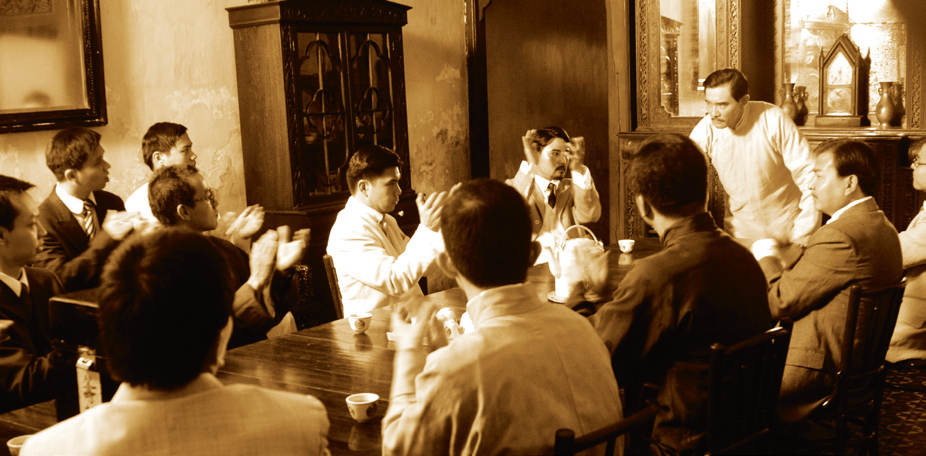
To garner support for his final attempt to overthrow the Qing Dynasty, Dr Sun held his famous Penang Conference in 1910 at his house on Armenian Street. He implored those attending to “support him for one last time,” in order to stage one last full-scale revolt. His eloquence, coupled with the backing of Goh Say Eng led to donations amounting to the large sum of 8000 Straits Dollars in two days.
This money was used to aid the revolutionaries in Beijing, providing funding for weapons and ammunition for the armed insurrection which paved the way for the founding of the Republic of China. Despite the fact that he was banned from travelling back to Beijing to personally aid his comrades during the Xinhai Revolution, such was Dr Sun’s power and influence that he orchestrated the downfall of the Qing Dynasty from outside the country.
A Lasting Presence in Penang
On the 10th December 1910, Dr Sun and his allies founded the Kwong Wah Jit Poh in Penang, the world’s oldest Chinese newspaper. Over a century since it was formed, Kwong Wah Jit Poh is still publishing, and is read by millions of Malaysian Chinese. On the masthead of the newspaper is an imprint of Dr Sun’s personal calligraphy.
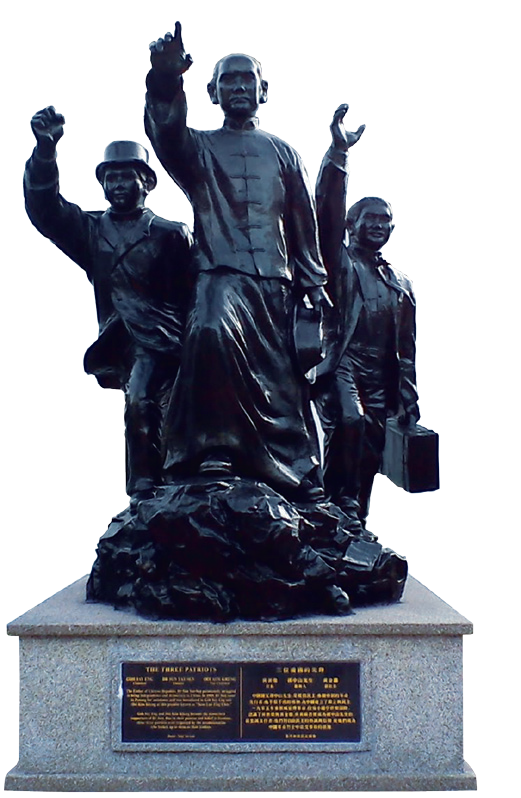
The Chung Ling High School in Penang was established by Dr Sun’s comrades in 1917, and became one of Penang’s most prestigious academic institutions, only admitting top students. Mandarin is the lingua franca at Chung Ling, and classes except for English are all taught in the language. Two years later, his comrades opened the Penang Chinese Girl’s School, an equally prestigious all-girls-school, which also teaches in Mandarin. The rationale for this was Dr Sun’s belief that the Mandarin Language should be the unifying factor among all Chinese. Today, Mandarin has grown to become one of the world’s most widely spoken languages, with over 1 billion speakers around the planet.
Dr Sun died at the age of 58 on the 12th of March 1925. Today, the house where he and his family lived at Armenian Street during his stay in Penang has been converted into a museum, where visitors are provided with a personal glimpse into life in early 20th century Malaya, as much of Dr Sun’s possessions are on display.
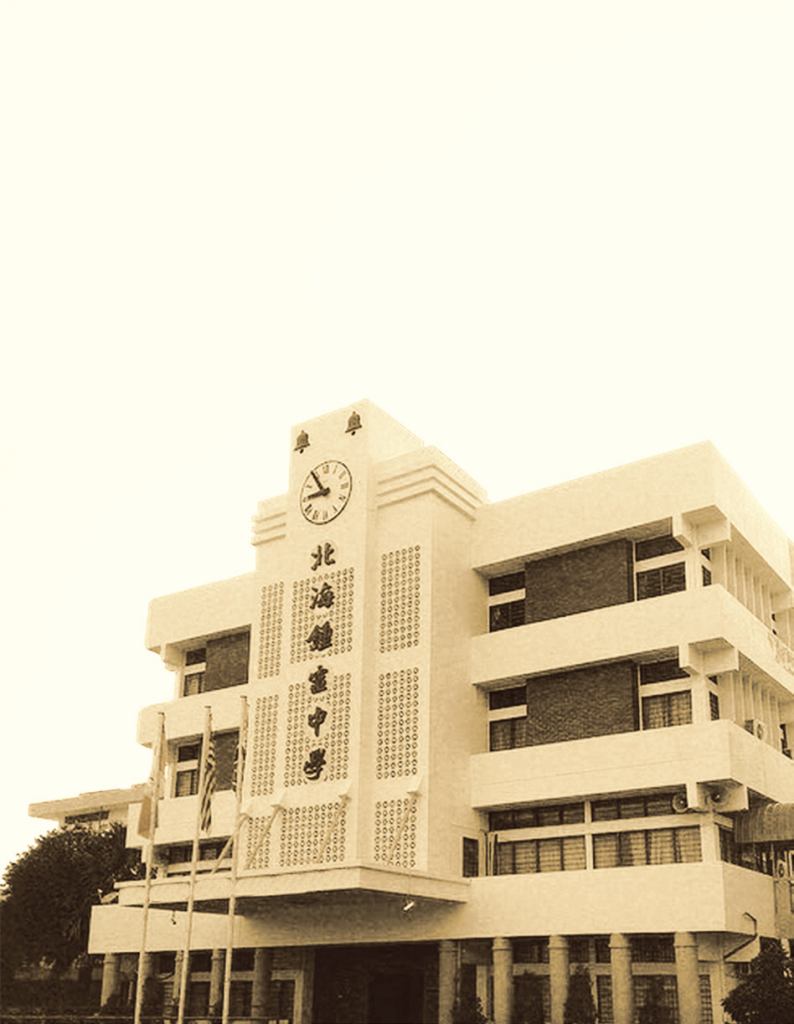
While Dr Sun is no doubt one of China’s greatest historical figures, he is also remembered in Malaysia for his influence in shaping the country’s Chinese media and education system. Every year, people visit Dr Sun’s house on Armenian Street, and recall a man whose impact on history has been significant, as they journey along the Sun Yat-Sen Heritage Trail in Penang.